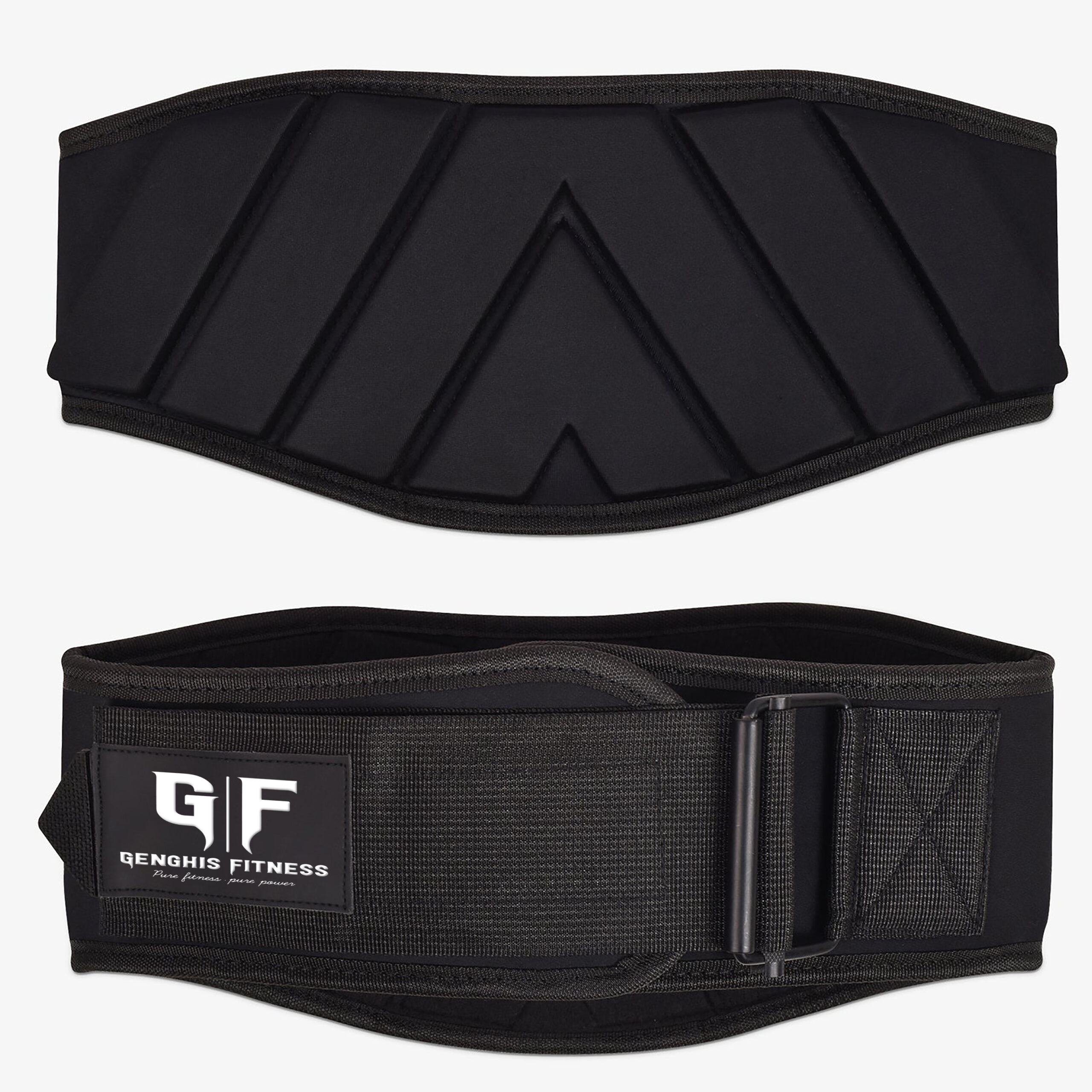
CLEANING A NYLON LIFTING BELT: THE COMPLETE MAINTENANCE GUIDE FOR LASTING SUPPORT AND HYGIENE
Why Regular Cleaning Extends Belt Life and Performance
A nylon lifting belt worn through heavy training sessions absorbs sweat, chalk, bar knurling residue, and body oils with every use. Left uncleaned, this accumulation does three things: it degrades the nylon fibers over time as sweat salt crystals abrade the material from within; it clogs Velcro hook and loop surfaces, reducing closure strength progressively until the belt no longer holds under heavy bracing pressure; and it creates a hygiene problem as bacteria colonize the damp, protein-rich environment inside the belt. A quality nylon lifting belt cleaned correctly after every session and deep-washed regularly will serve an athlete for two to four years of heavy training. The same belt cleaned never will need replacing within a year, with declining performance throughout. Two minutes of post-session care is the entire investment required to protect a piece of equipment that directly supports your spinal health under heavy loads.
After Every Session: The Quick Rinse Routine
Step 1: Wipe Down the Surfaces
Immediately after training, before the sweat has dried and the chalk has had time to pack into the fabric weave, wipe the entire outer and inner surface of the belt with a dry cloth or paper towel. Remove any loose chalk and surface sweat from both faces. Pay particular attention to the Velcro closure areas where chalk is most likely to accumulate in the hook surface and reduce holding strength.
Step 2: Brush the Velcro
Using a stiff-bristled brush, an old toothbrush is ideal, run the bristles across the hook side of the Velcro closure in short, firm strokes perpendicular to the hook direction. This dislodges chalk particles, cotton lint, and fabric debris that have settled into the hooks during training. The loop side of the Velcro, the soft side, benefits from a lighter brushing to remove surface debris without damaging the loops. Press the Velcro closed after brushing to protect both surfaces from additional contamination during storage.
Step 3: Air Dry Before Storing
Never store a nylon belt while it is still damp from training. A damp belt stored in a gym bag creates the anaerobic, warm, humid environment that bacteria and mold require to establish themselves in the nylon fibers. Hang the belt on a hook or lay it flat in a ventilated area for at least two hours after a session before putting it in a bag or drawer. This quick drying step costs nothing and prevents the persistent odor problem that develops in belts that are stored wet repeatedly.
Deep Cleaning: How to Wash a Nylon Lifting Belt Properly
How Often to Deep Clean
Athletes training four to five days per week should deep clean their nylon belt every one to two weeks. Athletes training two to three days per week can extend to every two to three weeks. The signal that a deep clean is overdue is a belt that smells noticeably even after the quick post-session wipe-down, or a Velcro closure that does not hold securely after brushing.
The Hand Wash Method
Fill a basin or sink with cool to lukewarm water. Add a small amount of mild liquid detergent, roughly the amount you would use for a single piece of delicate clothing. Do not use hot water, which accelerates nylon fiber degradation and can cause Velcro adhesive to separate from the belt material. Submerge the fully extended belt and agitate gently by hand for 60 to 90 seconds, working the soapy water through the nylon weave on both sides. Use the stiff brush on the Velcro surfaces while submerged to work out embedded debris that the water alone will not dislodge.
Rinse thoroughly under cool running water until no soap bubbles remain and the rinse water runs completely clear. Residual soap left in the nylon fibers can cause skin irritation during the next training session and leaves a slick film that interferes with the belt sitting flat against the torso. Rinse until you are confident all soap is gone, which typically takes 30 to 60 seconds of running water over the entire belt.
Drying After a Deep Clean
Press excess water out of the belt gently by squeezing, not wringing or twisting, which can distort the belt shape and stress the stitching at high-load points. Lay the belt flat on a clean towel and roll the towel up with the belt inside to press additional moisture out of the nylon. Unroll and lay the belt flat in a well-ventilated area, or hang it over a horizontal rod, to air dry completely. A nylon belt of standard thickness takes four to eight hours to dry fully in a room-temperature, moderately humid environment. Do not use a hair dryer or place the belt near a heat source to speed drying. Heat causes nylon to stiffen, shrink slightly, and lose the flexibility that makes it comfortable across a training session.
What Absolutely Not to Do When Cleaning a Nylon Belt
Never put a nylon lifting belt in a washing machine, even on the delicate or cold cycle. The tumbling mechanical action of the drum stresses the stitching at the belt edges and at the closure attachment points, and causes the Velcro hook surface to catch on the loop surface repeatedly during the cycle, permanently reducing the engagement depth of both surfaces. After several machine wash cycles, the Velcro will not hold as well as it did when new regardless of how well the structural nylon has held up.
Never put a nylon belt in a clothes dryer. The heat, even on the lowest setting, degrades nylon fibers measurably and can cause any plastic closure hardware to warp or deform. Never use bleach, fabric softener, or harsh chemical cleaners on a nylon belt. These products break down the nylon polymer chains, weakening the fiber structure that provides the belt’s rigidity. Mild dish soap or a specialized sports equipment wash are the appropriate cleaning agents. Never soak a nylon belt in standing water for extended periods, which allows water to penetrate and weaken the bonding between the inner and outer belt layers in multi-layer constructions. Apply the same disciplined maintenance to your belt that you apply to other training equipment like knee sleeves and wrist wraps, and all of your gear will serve you longer.
Restoring Velcro Closure Strength
If the Velcro closure on your nylon belt has lost significant holding strength despite regular brushing, a more aggressive cleaning of the hook surface is needed. Soak a stiff brush in warm soapy water and scrub the hook surface firmly in multiple directions under running water. Use a pin, toothpick, or fine dental pick to manually dislodge any deeply embedded chalk or fiber debris that the brush cannot reach. After cleaning, test closure strength by pressing the hook and loop surfaces firmly together and then pulling them apart with both hands at the force you would apply during a heavy brace. Full engagement should require meaningful force to separate. If it still peels apart too easily after thorough cleaning, the Velcro has reached the end of its functional life and the belt needs replacing.
FINAL WORDS
Cleaning a nylon lifting belt correctly is a two-minute commitment after every session and a fifteen-minute commitment every one to two weeks. That investment preserves the closure strength, the structural integrity, and the hygiene of a piece of equipment that directly protects your spine during your heaviest training. Build the cleaning habit now, maintain your Genghis Fitness nylon lifting belt through every batch of hard sessions, and you will be using the same belt in two years rather than shopping for a replacement within twelve months.
Certified strength and conditioning specialists with over 10 years of experience in powerlifting, nutrition, and evidence-based fitness content. Based in New York City.
TRAIN WITH EQUIPMENT THAT MATCHES YOUR EFFORT
Serious strength training demands serious gear. A lever belt, quality straps, and knee sleeves are not accessories. They are tools.
10mm Lever Belt Lifting StrapsRelated guides and comparisons are collected in the weightlifting belt guides, covering all belt materials, thicknesses, closure systems, and sport-specific recommendations in one location.