Genghis Fitness · Nutrition and Gut Health
FODMAP Diet Meal Plan: 7-Day Guide to Eliminating Gut Symptoms and Keeping Your Training on Track
Updated 2026 | By Team Genghis Fitness | 14 min read
If you train hard and deal with bloating, cramping, urgent bathroom trips, or unpredictable digestive issues, you know how badly gut problems can wreck a workout. The low FODMAP diet is the most evidence-backed dietary intervention for irritable bowel syndrome (IBS) and functional gut symptoms, with research from Monash University showing symptom improvement in 70 to 75% of IBS patients. This meal plan gives you everything you need to execute the elimination phase correctly without sacrificing the protein and calories your training requires.
What Are FODMAPs?
FODMAP is an acronym for Fermentable Oligosaccharides, Disaccharides, Monosaccharides, and Polyols. These are short-chain carbohydrates that are poorly absorbed in the small intestine. When they reach the large intestine, gut bacteria ferment them, producing gas and drawing water into the bowel, which causes the bloating, cramping, and irregular bowel habits characteristic of IBS.
| FODMAP Type | Common Sources |
|---|---|
| Oligosaccharides (fructans, GOS) | Wheat, garlic, onion, legumes, asparagus |
| Disaccharides (lactose) | Milk, soft cheeses, yogurt |
| Monosaccharides (excess fructose) | Apples, mangoes, honey, high-fructose corn syrup |
| Polyols (sorbitol, mannitol) | Avocado, mushrooms, peaches, sugar-free gums |
Low FODMAP Foods: Your Safe List
| Category | Safe Options |
|---|---|
| Proteins | Chicken, beef, fish, eggs, firm tofu, canned tuna in water |
| Grains / Carbs | White rice, oats (up to 1/2 cup), gluten-free pasta, sourdough spelt bread |
| Vegetables | Bell peppers, carrots, cucumber, zucchini, spinach, kale, potatoes |
| Fruits | Strawberries, blueberries, oranges, grapes, kiwi, bananas (firm) |
| Dairy / Alternatives | Lactose-free milk, hard cheeses (cheddar, parmesan), almond milk |
| Fats | Olive oil, butter, peanut butter (2 tbsp), walnuts |
7-Day Low FODMAP Meal Plan for Active Adults
Day 1
Breakfast: Oats (1/2 cup) with almond milk, blueberries, and 2 scrambled eggs on the side. Protein: 18g, Calories: 450.
Lunch: Grilled chicken breast with white rice and steamed zucchini. Protein: 42g, Calories: 520.
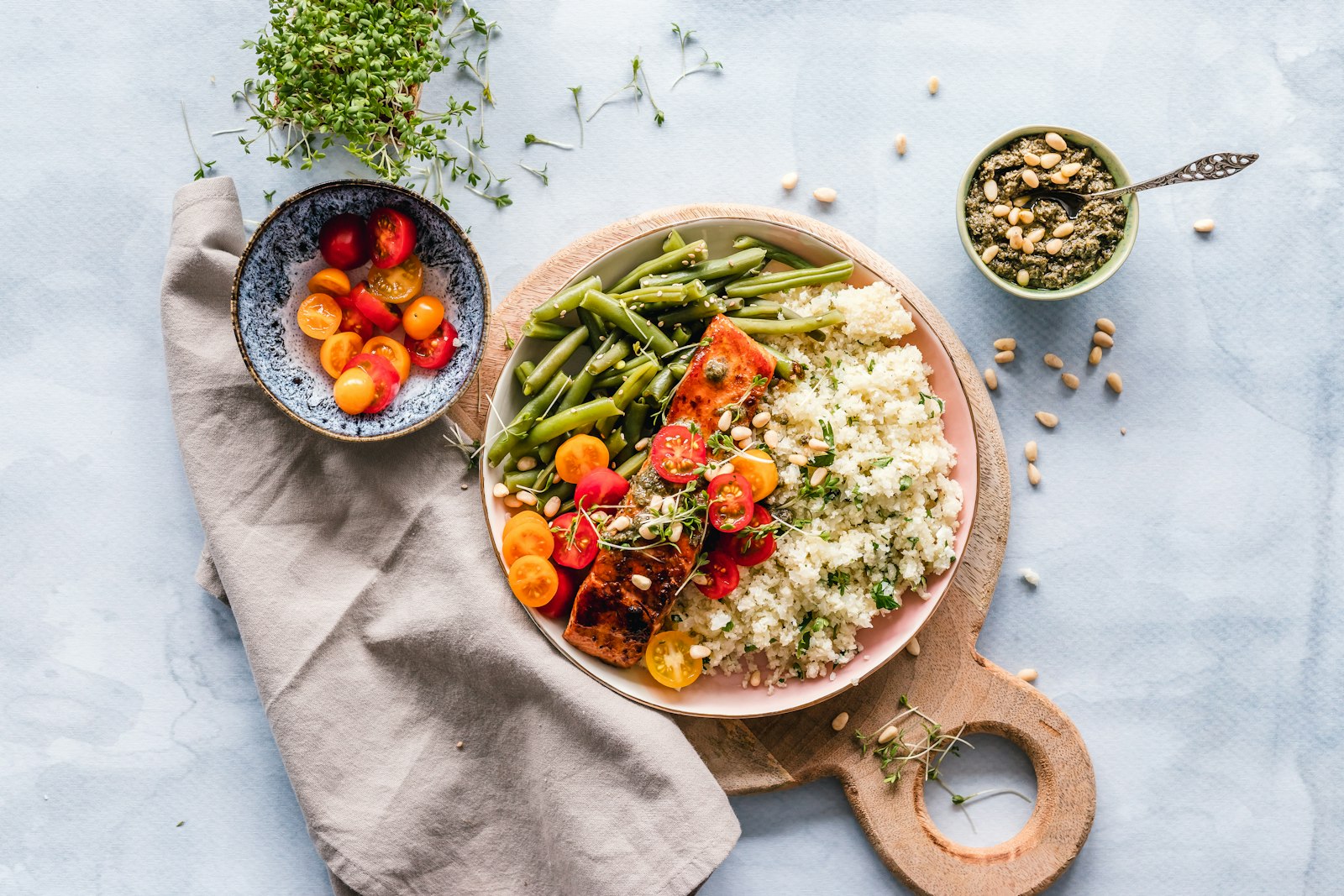
Dinner: Baked salmon fillet with roasted potatoes and sauteed spinach in olive oil. Protein: 38g, Calories: 580.
Snack: 2 tbsp peanut butter with rice cakes. Protein: 8g, Calories: 280.
Day 2
Breakfast: 3-egg omelet with bell peppers, spinach, and cheddar cheese. Protein: 24g, Calories: 380.
Lunch: Tuna (canned in water) mixed with diced cucumber, carrots, and olive oil over white rice. Protein: 36g, Calories: 490.
Dinner: Ground beef with gluten-free pasta, canned tomatoes (no garlic), and bell peppers. Protein: 40g, Calories: 620.
Snack: Strawberries with hard cheese slices. Protein: 6g, Calories: 200.
Days 3 to 7
The pattern for days 3 through 7 rotates the safe protein sources (chicken, beef, fish, eggs, tofu), the safe starches (white rice, potatoes, gluten-free pasta, oats), and the safe vegetables and fruits. The key rules to maintain throughout the week are: no wheat-based products (replace with gluten-free or rice-based options), no onion or garlic in any form (use garlic-infused olive oil as a flavoring tool, as the fructans do not leach into oil), no lactose-containing dairy (use lactose-free options), and avoid all the fruits and vegetables on the high FODMAP list regardless of portion size during the elimination phase.
Garlic and Onion Workaround
Garlic and onion fructans do not dissolve into oil. Fry whole garlic cloves in olive oil for 2 to 3 minutes, then remove the garlic before adding other ingredients. The oil will carry the garlic flavor without the fructan content, giving you the taste without the gut trigger.
Maintaining Training Intensity on a Low FODMAP Diet
The primary concern for athletes during the FODMAP elimination phase is carbohydrate availability. Many common pre-workout carbohydrate sources, bananas, oats, whole grain bread, apples, are either high FODMAP or require portion control. This does not mean carbohydrates are unavailable. White rice is fully low FODMAP and an excellent training fuel. Firm (not ripe) bananas are low FODMAP in servings up to one medium. Oats are low FODMAP up to one half cup dry weight.
Protein targets can be fully maintained on a low FODMAP diet using chicken, beef, fish, eggs, firm tofu, and lactose-free protein powders. Whey isolate is generally well-tolerated because the lactose has been removed. Check your protein powder label for inulin or chicory root, both of which are high FODMAP additives found in some protein products.
After Elimination: The Reintroduction Phase
The elimination phase is designed to last 4 to 8 weeks only. After symptoms resolve, you systematically reintroduce FODMAP categories one at a time, testing each for 3 days before moving to the next. This identifies your specific triggers rather than permanently eliminating all FODMAP foods. Most people tolerate several FODMAP categories without symptoms and only need to restrict the specific categories that produce their symptoms.
Monash University provides the most detailed and frequently updated FODMAP database and app, developed by the researchers who created the FODMAP framework. If you are managing IBS or significant gut symptoms, working with a registered dietitian who specializes in FODMAP is the most effective approach for personalizing the reintroduction phase.
Frequently Asked Questions
How Long Does the Low FODMAP Elimination Phase Last?
4 to 8 weeks, no longer. Extended elimination unnecessarily restricts the dietary diversity needed for a healthy gut microbiome. The elimination phase is a diagnostic tool, not a permanent diet. Once you identify your personal triggers through the reintroduction phase, most people can return to eating a wide variety of foods while avoiding only their specific triggers.
Can You Build Muscle on a Low FODMAP Diet?
Yes. The low FODMAP diet does not restrict protein, fat, or total calories. It restricts specific short-chain carbohydrates. With adequate protein intake (0.7 to 1.0g per pound of bodyweight) from low FODMAP sources, combined with sufficient caloric intake and resistance training, muscle building proceeds normally during and after the elimination phase.
Fix Your Gut. Reclaim Your Training.
When your nutrition is on point, your gear should be too. Built for lifters who take performance seriously.
Shop Lifting Belts Shop Wrist WrapsNavigating The FODMAP Elimination Phase Without Compromising Training Fuel
The low-FODMAP diet is the most evidence-based dietary intervention for irritable bowel syndrome and functional gastrointestinal disorders, with over 75 percent of IBS sufferers reporting significant symptom improvement during the elimination phase. For athletes whose training performance is compromised by gastrointestinal symptoms including bloating, cramping, and urgency during or after training, a FODMAP evaluation can identify specific fermentable carbohydrates that are triggering symptoms and allow precise dietary modification rather than broad restriction.
The challenge for athletes is that many high-FODMAP foods are also high in carbohydrates that support training performance. Wheat-based foods, most legumes, onions, garlic, apples, and high-lactose dairy are all high-FODMAP and also common carbohydrate sources in athletic diets. During the three to six week elimination phase, athletes need to replace these carbohydrate sources with low-FODMAP alternatives: white rice, potatoes, oats, and firm tofu for carbohydrates, and lactose-free dairy or hard cheeses for dairy protein. Careful meal planning during elimination ensures training nutrition is maintained while the diagnostic process identifies which specific FODMAPs are actually problematic. The reintroduction phase, where individual FODMAP categories are reintroduced one at a time, allows athletes to identify their personal trigger foods with precision and maintain the widest possible dietary variety compatible with their individual gastrointestinal tolerance.
Certified strength and conditioning specialists with over 10 years of combined experience in powerlifting, nutrition coaching, and evidence-based fitness content. Based in New York City, the Genghis Fitness team tests every protocol in the gym before writing about it.