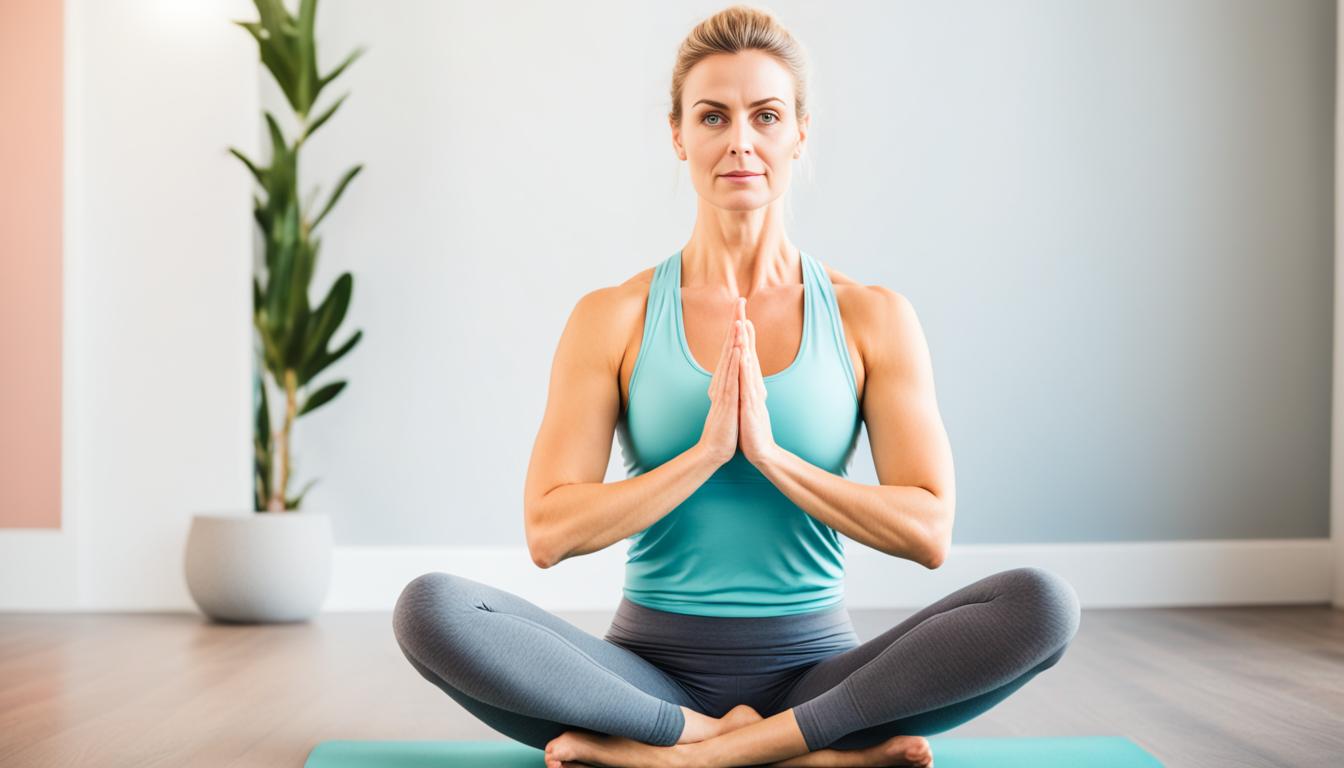
Hatha Yoga: What It Actually Is and Why Every Serious Athlete Should Know It
When most people in the US and UK hear the word yoga, what they picture is Hatha yoga, even if they do not know it by that name. The slow-paced class with held poses, deliberate breathing, and an emphasis on alignment and body awareness is Hatha yoga. It is the physical branch of a much larger philosophical tradition and the foundational style from which Vinyasa, Ashtanga, Bikram, and most contemporary yoga styles derive.
Understanding what Hatha yoga actually is, what it does for the body, and how it differs from more dynamic yoga styles gives athletes and lifters a clear framework for deciding whether and how to incorporate it into a training program. The short version: Hatha yoga is one of the most evidence-supported tools for improving flexibility, joint health, nervous system recovery, and injury prevention available to serious athletes.
What Hatha Yoga Is
The word Hatha comes from Sanskrit: ha meaning sun and tha meaning moon, representing the balance of opposing forces that the practice is designed to create. In classical Indian yoga philosophy, Hatha yoga refers to the physical disciplines of yoga intended to prepare the body for deeper meditative practice. The Hatha Yoga Pradipika, a 15th-century text, describes it as a ladder to the higher states of yoga practice.
In contemporary Western contexts, Hatha yoga typically describes a class format that moves through a sequence of asanas (postures) held for several breaths each, combined with pranayama (breathwork) and often ending with a period of relaxation in savasana. The pace is generally slower than Vinyasa flow classes and the emphasis is on proper alignment in each pose rather than smooth continuous movement between poses.
Physical Benefits for Athletes
Flexibility and Range of Motion
Regular Hatha yoga practice consistently improves flexibility and joint range of motion across multiple body regions. Research indexed on PubMed has documented significant improvements in hamstring flexibility, hip mobility, thoracic spine mobility, and shoulder range of motion following regular yoga practice. For lifters whose training creates chronic tightness in the hip flexors, posterior chain, thoracic spine, and shoulder girdle, Hatha yoga addresses these patterns directly.
The held poses in Hatha yoga create a sustained stretch that produces different adaptations than the brief dynamic stretching most athletes perform in warm-ups. Holds of 30 seconds to several minutes allow the viscoelastic properties of connective tissue to respond, gradually elongating fascial restrictions that brief dynamic work does not reach. Over weeks and months, this produces lasting changes in resting muscle length and joint capsule mobility.
Core Stability and Body Awareness
Many Hatha yoga poses require sustained isometric engagement of the deep core muscles, including the transverse abdominis and multifidus, while maintaining precise body position. This trains core stability in a different way than crunches or planks by demanding that the core function as a stabilizing system while the limbs move through various positions and loads.
The proprioceptive demands of balancing poses and complex postures also develop kinesthetic awareness, which is the ability to sense where your body is in space and what it is doing. Athletes with high kinesthetic awareness make more efficient movement decisions, correct form errors faster, and are better able to feel when a joint or muscle is approaching a dangerous position under load. This awareness has direct carryover to technique refinement in compound lifts.
Recovery and Nervous System Effects
A regular Hatha yoga practice shifts the nervous system toward parasympathetic dominance over time, which is directly relevant to recovery quality between training sessions. The combination of controlled breathing, held poses, and meditative awareness produces the same vagal stimulation that dedicated breathwork achieves. Heart rate variability improvements have been documented in athletes who practice yoga consistently for six to eight weeks.
Using Hatha yoga as an active recovery modality on rest days provides a structured activity that promotes blood flow, reduces residual muscle tension, and generates parasympathetic tone without adding significant training stress. A 45 to 60 minute session focused on hip flexors, posterior chain, and thoracic mobility directly addresses the areas most stressed by heavy compound lifting. Pair this kind of intentional recovery with the hip circle bands for glute activation work on the same recovery day.
Hatha Yoga vs Other Yoga Styles
Hatha vs Vinyasa
Vinyasa yoga links poses together in flowing sequences coordinated with breath, creating a more cardiovascular and dynamic session. Hatha yoga holds individual poses longer and separates them with brief rests. For athletes using yoga primarily for flexibility, mobility, and recovery, Hatha yoga is generally more appropriate than Vinyasa because the longer holds drive deeper tissue adaptation. For cardiovascular conditioning or an active training session on a non-lifting day, Vinyasa is the more appropriate choice.
Hatha vs Yin Yoga
Yin yoga holds passive poses for three to five minutes or longer, targeting the connective tissue and joint capsules rather than the contractile muscle tissue. Hatha yoga holds are shorter (30 seconds to 2 minutes typically) and involve active muscular engagement in addition to stretching. Both have value: Yin yoga produces deeper fascial and joint capsule changes over time, while Hatha yoga develops both flexibility and the stabilizing strength needed to control the newly acquired range of motion.
Starting a Hatha Practice as an Athlete
Athletes new to yoga often find that their strength does not translate into ease in yoga postures. Tight hip flexors, limited thoracic rotation, and reduced shoulder external rotation are common findings in trained lifters that make many foundational yoga poses surprisingly challenging. This is the point: the practice addresses exactly the restrictions that heavy training tends to create.
Starting with a beginner-level Hatha class, either in person at a studio in the US or UK or through a quality online platform, is more practical than attempting to learn from social media clips. A qualified instructor can identify individual alignment issues and modify poses appropriately for your specific body. Two sessions per week of 45 to 60 minutes produces meaningful changes in mobility and recovery quality within four to six weeks of consistent practice.
Key Hatha Yoga Poses for Lifters
A short list of Hatha poses with the highest carryover for athletes who lift: Pigeon pose for deep hip flexor and external rotator lengthening. Downward-facing dog for hamstring, calf, and thoracic spine mobility. Warrior I and II for hip mobility and single-leg stability. Bridge pose for glute and thoracic extension. Seated forward fold for posterior chain length. Thread the needle for thoracic rotation. Low lunge with a twist for hip flexor release combined with spinal rotation.
Incorporating just three to four of these poses held for 60 to 90 seconds each as part of a post-training cool-down adds meaningful mobility work without significant additional time investment. Over months, this consistent practice compounds into genuine range of motion improvements that support technique on squats, deadlifts, and pressing movements. Your joints benefit from the same quality investment you put into your knee sleeves and your powerlifting belt.
FINAL WORDS
Hatha yoga is not a gentle alternative to real training. It is a complementary discipline that addresses the specific physical restrictions that heavy training creates and the nervous system demands that intensive programming generates. Practiced consistently, it improves flexibility, core stability, proprioception, and recovery capacity in ways that nothing else in most athletes’ programs does. Add two sessions per week and the carryover to your lifting will become apparent within weeks.
Certified strength and conditioning specialists with over 10 years of experience in powerlifting, nutrition, and evidence-based fitness content. Based in New York City.