HEALTH BENEFITS OF BOLDO TEA: SOUTH AMERICA’S MOST IMPORTANT MEDICINAL HERB
Boldo, the aromatic shrub Peumus boldus native to the Chilean Andes and coastal mountains of South America, is virtually unknown in most of the English-speaking world but is one of the most widely used medicinal plants in South America, particularly in Chile, Argentina, Brazil, and Peru. Boldo tea is consumed daily across these countries for digestive complaints, liver support, and gallbladder health, and it holds a recognized position in several South American national pharmacopoeias. The active compound ascaridole, along with boldine and a distinctive essential oil profile, gives boldo tea a specific pharmacological character that explains its enduring reputation as one of the most effective herbal digestive and liver support remedies available. Understanding what boldo contains and what the evidence supports is particularly important because the same properties that make it effective also require attention to appropriate dosing.
THE BIOACTIVE COMPOUNDS IN BOLDO TEA
Boldo’s primary bioactive compounds fall into two distinct categories with different mechanisms and different safety profiles. Boldine is an aporphine alkaloid unique to boldo and is considered the primary hepatoprotective, antioxidant, and anti-inflammatory compound. Multiple studies indexed through PubMed have documented boldine’s ability to protect liver cells from oxidative damage, reduce hepatic inflammation, and stimulate bile production and flow from the gallbladder. Ascaridole is a naturally occurring organic peroxide and the primary component of boldo’s essential oil. It has antiparasitic properties that have been used medicinally but is also the compound responsible for boldo’s significant toxicity at high doses. The essential oil also contains p-cymene, 1,8-cineole, beta-pinene, and linalool. The flavonoid fraction contributes additional antioxidant activity. The interaction between the therapeutic properties of boldine and the toxicity risk of ascaridole means that preparation method and dose management are critically important for safe boldo tea consumption.
LIVER PROTECTION AND BILE FLOW STIMULATION
The hepatoprotective effects of boldine are the most thoroughly documented mechanism in boldo research. Boldine acts as a powerful antioxidant specifically in liver tissue, protecting hepatocytes from the oxidative damage associated with toxin exposure, alcohol metabolism, and inflammatory conditions. Multiple animal studies have found that boldine pre-treatment or co-treatment significantly reduces liver enzyme elevation and histological liver damage in models of chemically induced hepatotoxicity. The mechanism involves boldine’s direct free radical scavenging capacity combined with its ability to preserve mitochondrial function in liver cells under oxidative stress conditions. Separate from its antioxidant effects, boldo stimulates bile production and secretion from the gallbladder through choleretic and cholagogue mechanisms, improving fat digestion and the elimination of metabolic waste compounds that the liver processes and delivers to bile for excretion. This bile-stimulating action is the basis for boldo’s traditional use before rich meals and its reputation as a digestive aid across South American folk medicine.
DIGESTIVE SUPPORT AND ANTISPASMODIC EFFECTS
Boldo has well-established antispasmodic effects on gastrointestinal smooth muscle that underpin its use for bloating, cramping, and digestive discomfort. The essential oil compounds including 1,8-cineole and linalool contribute to smooth muscle relaxation in the gut, reducing the excessive contractions that cause cramping and facilitating normal digestive motility. Traditional use across South America recommends boldo tea for heavy meals, fatty food consumption, and general digestive discomfort, and the choleretic mechanism provides a rational basis for this application: by increasing bile flow, boldo improves the emulsification of dietary fat, which directly reduces the bloating and digestive sluggishness that follows high-fat meals. The combination of bile stimulation and smooth muscle relaxation addresses two distinct causes of post-meal discomfort simultaneously, which explains why boldo tea taken before or after rich meals has maintained its reputation across generations of practical use in countries where it is a household staple.
ANTIPARASITIC AND ANTIMICROBIAL PROPERTIES
Ascaridole, the peroxide compound in boldo’s essential oil, has documented antiparasitic activity against intestinal helminths and Giardia lamblia. This application was historically significant in regions where intestinal parasites were endemic, and ascaridole-rich plant oils were used as standard antiparasitic treatments before pharmaceutical options became widely available. Modern research has confirmed ascaridole’s direct toxicity to multiple parasitic organisms through oxidative mechanisms. The antimicrobial activity of boldo’s essential oil extends to bacteria and fungi in laboratory settings, with activity documented against Staphylococcus aureus, Candida albicans, and several other common pathogens. For consumers, this antiparasitic heritage is relevant context for understanding why boldo should be consumed at appropriate doses: the same compound that kills parasites is toxic to mammalian cells at high concentrations.
ANTIOXIDANT AND ANTI-INFLAMMATORY ACTIVITY
Beyond its liver-specific antioxidant effects, boldine demonstrates broad antioxidant capacity that has been measured in multiple standardized assay systems. It scavenges reactive oxygen species efficiently across both aqueous and lipid phases, making it active against oxidative damage in both the cytoplasm and cell membranes. Anti-inflammatory activity has been documented in cell and animal models through inhibition of arachidonic acid pathway enzymes and reduction of pro-inflammatory cytokine production. A study published in the journal Phytotherapy Research found that boldine reduced paw edema in an acute animal inflammation model at doses relevant to those achievable from moderate boldo tea consumption. These antioxidant and anti-inflammatory properties are consistent with boldine’s hepatoprotective effects and suggest potential benefits for systemic inflammation management beyond the liver-specific application.
CRITICAL SAFETY CONSIDERATIONS: DOSE AND FREQUENCY
Boldo requires more careful attention to consumption limits than most herbal teas, and this must be stated clearly for any responsible guide to its use. Ascaridole is toxic at doses higher than those present in one to two cups of properly prepared boldo tea, and the therapeutic window between beneficial and harmful consumption is narrower than for most herbal preparations. Boldo should not be consumed daily over extended periods. Traditional South American use typically involves boldo tea as an occasional remedy taken for specific digestive complaints rather than as a daily maintenance beverage. Two to three cups per week for occasional digestive support represents a reasonable approach consistent with traditional patterns and safety data. Daily consumption over weeks or months is not appropriate. Boldo is absolutely contraindicated during pregnancy as it stimulates bile and uterine muscle activity. People with liver disease, gallstones, bile duct obstruction, or kidney disease should consult a healthcare provider before using boldo, as the bile-stimulating effects can aggravate rather than help in certain hepatobiliary conditions. Purchasing boldo from reputable sources that use dried leaf rather than concentrated extracts minimizes the ascaridole dose per cup.
PREPARING BOLDO TEA CORRECTLY
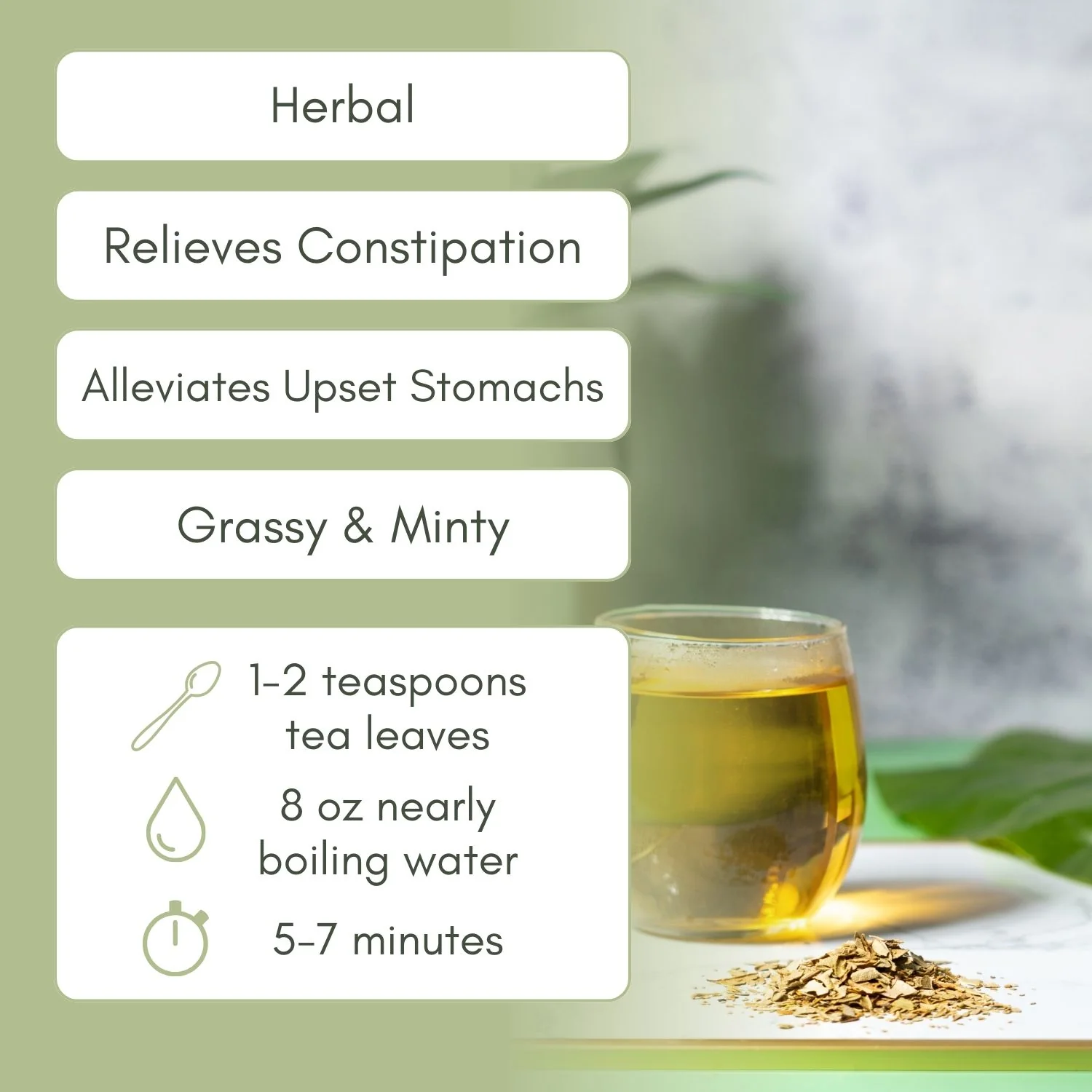
The preparation method affects the ratio of boldine to ascaridole extracted into the tea, and using appropriate preparation techniques reduces the relative ascaridole content. Steeping dried boldo leaves in hot water at around 80 to 85 degrees Celsius for five minutes, rather than boiling the leaves directly in water, extracts more boldine and flavonoids relative to the volatile ascaridole compounds that evaporate at higher temperatures. Use one teaspoon of dried boldo leaf per cup. Strain thoroughly and drink while warm. The flavor is distinctive and quite strong with a eucalyptus-like aroma and a slightly bitter, mentholated taste that most people find unusual on first encounter but recognizable and purposeful. Do not steep for more than five minutes as longer extraction increases ascaridole content. Boldo tea is available from Latin American grocery stores, specialty herbal retailers, and online suppliers throughout the US, UK, and Europe, and dried leaf quality is generally reliable from established herbal tea brands with transparent sourcing.
Certified strength and conditioning specialists with over 10 years of combined experience in powerlifting, nutrition coaching, and evidence-based fitness content. Based in New York City, the Genghis Fitness team tests every protocol in the gym before writing about it.
If you are exploring herbal teas for health benefits, also see our guides on green tea benefits and peppermint tea — both have strong evidence bases for daily wellness use.
COMPLETE YOUR TRAINING TOOLKIT
Your health routine starts with what you drink. Your training gains start with the right equipment. Lifting straps keep grip from limiting your heaviest pulling work.
Shop Lifting Straps