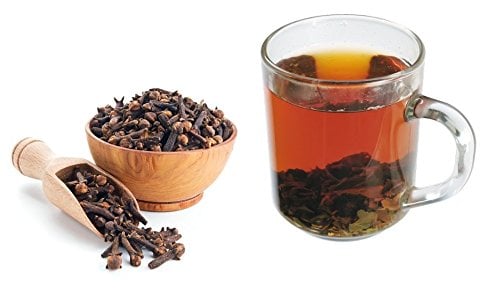
HEALTH BENEFITS OF CLOVE TEA: THE POTENT SPICE BACKED BY REAL SCIENCE
Cloves are one of the most bioactively concentrated spices on the planet. The dried flower buds of Syzygium aromaticum contain eugenol at levels that make clove oil one of the most potent natural antimicrobials ever measured, and even a simple cup of clove tea brewed from a few whole cloves delivers a meaningful dose of this compound alongside exceptional antioxidant capacity, essential minerals, and anti-inflammatory agents. This is not a subtle wellness beverage. It is a strong, warming brew with a compound profile that stands up to scientific scrutiny better than most herbal teas widely available today.
WHAT CLOVES CONTAIN AND WHY IT MATTERS FOR YOUR HEALTH
Eugenol is the dominant bioactive compound in cloves, comprising 70 to 90 percent of clove essential oil by mass. It is a phenylpropanoid with thoroughly documented antioxidant, anti-inflammatory, antimicrobial, and analgesic properties. Multiple studies indexed through PubMed confirm eugenol’s broad-spectrum activity against bacterial and fungal pathogens, its inhibition of the cyclooxygenase inflammatory enzyme pathway, and its direct free radical scavenging capacity measurable in plasma after dietary consumption. Alongside eugenol, cloves contain acetyl eugenol, beta-caryophyllene, kaempferol, rhamnetin, and gallic acid. They are also one of the richest known food sources of manganese, an essential trace mineral involved in the function of superoxide dismutase, the primary antioxidant enzyme protecting mitochondria from exercise-induced oxidative damage. A single teaspoon of ground cloves provides more than 100 percent of the recommended daily manganese intake, giving clove tea a mineral contribution that virtually no other herbal beverage can match.
ANTIOXIDANT ACTIVITY THAT TOPS EVERY MEASUREMENT SCALE
Cloves rank at the absolute top of standardized antioxidant measurement scales including ORAC, DPPH, and FRAP assays across all foods tested worldwide. Dried cloves consistently produce antioxidant activity scores that exceed acai berries, blueberries, turmeric, and every other food commonly marketed for its antioxidant content. A cup of clove tea prepared from two to three whole cloves contributes a meaningful antioxidant dose even at this dilute concentration. For athletes generating elevated oxidative stress through hard training sessions, this represents a practical, zero-calorie way to support the body’s antioxidant defense systems every day without additional supplementation. The eugenol and polyphenol profile produces free radical scavenging activity measurable in plasma following acute dietary consumption, confirming that the active compounds absorb systemically from food-level quantities.
BLOOD SUGAR REGULATION AND INSULIN SENSITIVITY
Multiple controlled human trials have investigated clove’s effects on blood glucose management with consistently positive findings. Eugenol improves insulin sensitivity by enhancing glucose uptake in peripheral tissues and by inhibiting alpha-glucosidase and alpha-amylase, the digestive enzymes responsible for breaking down dietary carbohydrates in the small intestine. A study published in the journal Metabolism found that clove supplementation significantly reduced fasting blood glucose in participants with type 2 diabetes compared to placebo over 30 days. A separate trial demonstrated dose-dependent improvements in postprandial glycemic response when clove was consumed alongside carbohydrate-rich meals. While clove tea is not a treatment for diabetes, its blood sugar-modulating properties are directly relevant for athletes managing body composition and for anyone paying deliberate attention to glycemic health through dietary choices.
ANTIMICROBIAL PROPERTIES AND ORAL HEALTH
Clove’s antimicrobial properties are among its most comprehensively documented characteristics across both laboratory and clinical settings. Eugenol inhibits the growth of Streptococcus mutans, the bacterium most responsible for dental cavities, as well as Candida albicans responsible for oral thrush, and multiple periodontal pathogens associated with gum disease. The traditional use of whole cloves for toothache relief is supported by eugenol’s well-characterized local anesthetic properties, which remain the basis for its inclusion in professional dental materials and surgical preparations today. Regular clove tea consumption or use as a post-meal mouth rinse supports a healthier oral microbiome environment. The antimicrobial spectrum extends to gastrointestinal pathogens including Helicobacter pylori, the bacterium most closely associated with peptic ulcers and gastric inflammation.
ANTI-INFLAMMATORY EFFECTS AND LIVER PROTECTION
Eugenol inhibits both COX-1 and COX-2 cyclooxygenase enzymes at the molecular level, the same targets as many common pharmaceutical anti-inflammatory drugs, though at lower potency levels than therapeutic doses. Regular incorporation of clove tea into an anti-inflammatory dietary pattern is consistent with reducing the chronic systemic inflammation that underlies cardiovascular disease, insulin resistance, and metabolic syndrome. Animal studies have also identified hepatoprotective effects of eugenol at dietary concentrations, with findings showing reduced liver enzyme markers of oxidative damage and protection against chemically induced liver injury. Human clinical evidence for liver protection specifically is limited to date, but the mechanistic basis is solid and the safety profile at food-level consumption is well-established across decades of widespread traditional use.
HOW TO PREPARE CLOVE TEA AND SAFE CONSUMPTION LEVELS
Clove tea made from two to four whole cloves per cup of water is safe for most healthy adults at one to two cups daily. Steep whole cloves in water held just below a full boil for ten minutes. Straining carefully before drinking prevents any irritation from clove husk fragments. The flavor is intensely spiced with a warming, slightly numbing quality characteristic of eugenol’s mild anesthetic action. Cloves pair naturally with cinnamon stick, cardamom pods, or fresh ginger for a full chai-style blend, and a small amount of honey complements the spice profile. Pregnant women should limit consumption due to eugenol’s potential effect on uterine tone at high doses. Individuals on anticoagulant medications should consult their healthcare provider as eugenol has mild blood-thinning properties at high doses that could interact with pharmaceutical anticoagulants.
CLOVE TEA AS PART OF A COMPLETE HEALTH-FOCUSED DIETARY APPROACH
Clove tea works best understood as one component of a broadly healthy dietary pattern rather than as a standalone intervention for any specific condition. The antioxidant contribution accumulates meaningfully over months of daily consumption. The blood sugar effects are most relevant when consumed consistently with meals. The anti-inflammatory action builds over time as eugenol and its metabolites support the downregulation of chronic inflammatory signaling rather than producing acute anti-inflammatory effects comparable to medication. Athletes training seriously benefit most from treating clove tea as part of their nutritional toolkit alongside adequate protein, whole food carbohydrates, sleep, and progressive training management. One to two cups daily as a hot beverage before training or with meals represents an evidence-consistent, low-cost addition to a dietary routine that is already prioritizing the fundamentals. The flavor is strong enough to be noticeable and distinctive enough to feel intentional rather than medicinal, which makes it easier to consume consistently than more neutral-tasting supplements with comparable bioactive profiles.
One aspect of clove tea that distinguishes it from most other herbal options is the depth of its established pharmacological action. Eugenol has been studied in dental, pharmaceutical, and food science contexts for decades because of its consistent and reproducible biological effects. This means the claims made for clove tea are not based primarily on traditional use extrapolated optimistically to modern health frameworks. They are based on an identified compound with a known mechanism of action that has been measured and validated across multiple research contexts. That distinction matters when evaluating herbal tea health claims, where the quality of evidence varies enormously between products. Clove tea is one of the options in the herbal beverage category where the evidence is genuinely there, the mechanism is understood, and the safety at dietary consumption levels is well-established. That combination makes it worth including in a health-conscious beverage rotation with confidence.
Certified strength and conditioning specialists with over 10 years of combined experience in powerlifting, nutrition coaching, and evidence-based fitness content. Based in New York City, the Genghis Fitness team tests every protocol in the gym before writing about it.
If you are exploring herbal teas for health benefits, also see our guides on green tea benefits and peppermint tea — both have strong evidence bases for daily wellness use.
COMPLETE YOUR TRAINING TOOLKIT
Your health routine starts with what you drink. Your training gains start with the right equipment. Lifting straps keep grip from limiting your heaviest pulling work.
Shop Lifting Straps