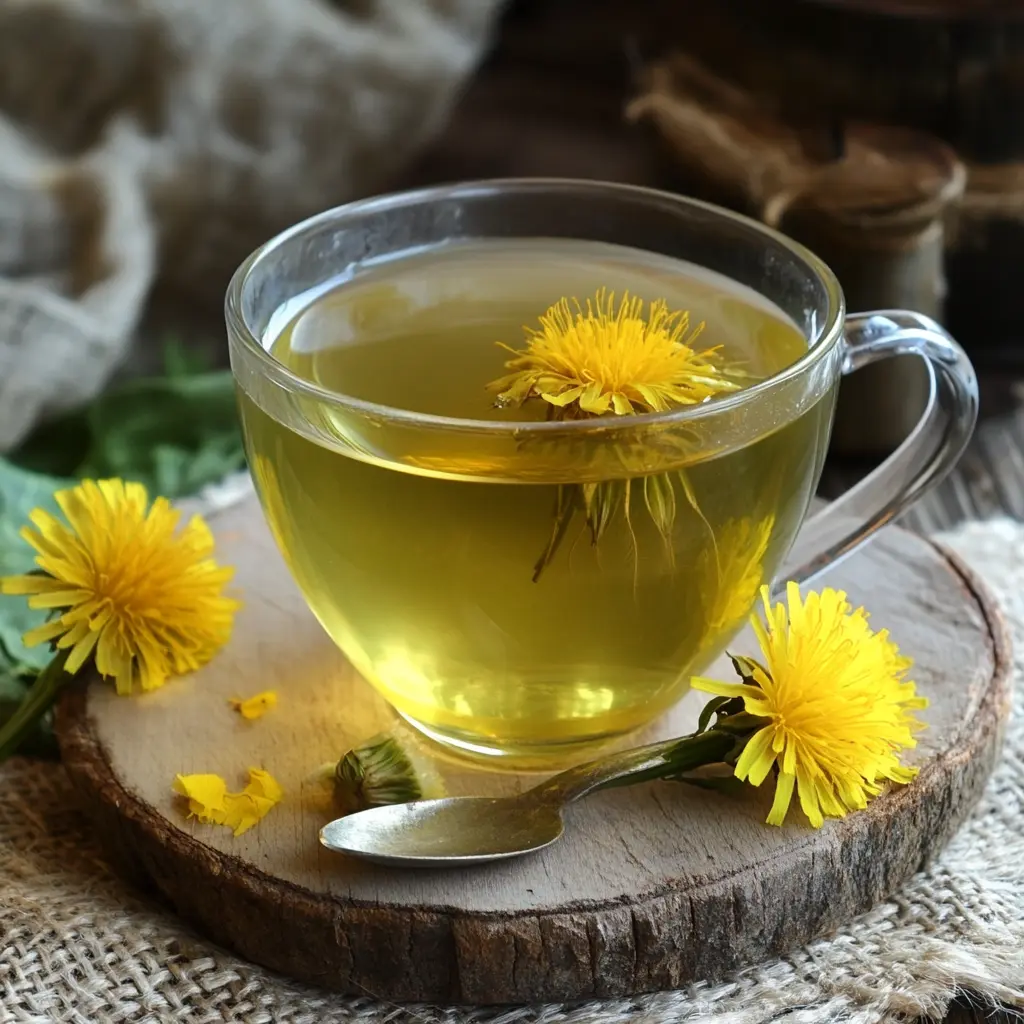
HEALTH BENEFITS OF DANDELION TEA: THE BACKYARD WEED WITH LEGITIMATE SCIENCE BEHIND IT
Dandelion is one of the most dismissed plants in Western gardening culture and one of the most respected in traditional herbal medicine systems across Europe, North America, and Asia. The entire plant, from root to flower, has been used medicinally for centuries for conditions ranging from liver support to digestive complaints to skin conditions. Modern research has begun examining these traditional applications systematically, and several of the attributed benefits have graduated from folk medicine status to findings with genuine scientific support. Dandelion tea, made from either the root or the leaves or both, deserves a more serious evaluation than it typically receives.
WHAT DANDELION TEA CONTAINS
Dandelion root tea and dandelion leaf tea have meaningfully different compound profiles, which is important for understanding the distinct health applications of each preparation. Dandelion root contains inulin, a prebiotic fiber that supports gut bacterial diversity. It provides taraxacin and taraxacerin, bitter sesquiterpene lactones that stimulate bile production and digestive enzyme secretion. The root also contains significant phenolic acids, flavonoids including luteolin and apigenin, and beta-sitosterol. Dandelion leaf is exceptionally rich in vitamins A, C, and K as well as potassium and calcium at concentrations comparable to many green vegetables. The leaf also contains caffeic acid and chlorogenic acid, polyphenols with antioxidant and anti-inflammatory properties. Studies indexed through PubMed confirm this nutritional and phytochemical richness across both plant parts.
LIVER SUPPORT AND BILE PRODUCTION
The liver support application of dandelion root is one of its oldest and most consistently referenced traditional uses, and it has the strongest mechanistic basis in the current literature. The bitter compounds taraxacin and taraxacerin stimulate bile production and secretion from the gallbladder, which improves fat digestion and the elimination of metabolic waste products that the liver processes. Several in vitro and animal studies have found that dandelion root extracts protect liver cells from oxidative damage and inflammation. A small number of human studies suggest that dandelion preparations improve liver enzyme markers in people with fatty liver disease, though the evidence base for specific clinical applications in humans is still developing. The practical application of dandelion root tea as a daily digestive support beverage that supports healthy bile flow is consistent with what the current evidence shows.
DIURETIC EFFECTS AND KIDNEY SUPPORT
Dandelion leaf is one of the few herbal diuretics with direct evidence from a human clinical trial. A pilot study published in the Journal of Alternative and Complementary Medicine found that dandelion leaf extract significantly increased urinary frequency and volume in healthy volunteers over a five-hour period compared to baseline. Unlike pharmaceutical diuretics, dandelion leaf replaces the potassium lost in urine through its own high potassium content, avoiding the potassium depletion that is a common side effect of drug-based diuretics. This natural diuretic action supports kidney function by increasing fluid throughput through the urinary system, which may reduce the risk of urinary tract infections and kidney stone formation over time. For athletes managing fluid balance and body weight, this property is relevant and worth understanding.
ANTI-INFLAMMATORY AND ANTIOXIDANT ACTIVITY
Both the root and leaf of dandelion contain flavonoids and polyphenolic compounds with documented antioxidant and anti-inflammatory activity. Luteolin and apigenin, present in the root, inhibit the release of pro-inflammatory cytokines in cell models. Caffeic acid and chlorogenic acid in the leaf have antioxidant activity confirmed in multiple assay systems. A study published in Evidence-Based Complementary and Alternative Medicine found that dandelion flower extracts significantly reduced reactive oxygen species production in cell models of oxidative stress. The anti-inflammatory mechanisms of dandelion compounds overlap with those of several pharmaceutical anti-inflammatory agents at the molecular level, though the magnitude of effect from dietary consumption of dandelion tea is modest compared to pharmacological intervention.
BLOOD SUGAR AND METABOLIC EFFECTS
Dandelion’s inulin content supports healthy blood sugar management through a prebiotic mechanism: inulin fermented by gut bacteria produces short-chain fatty acids that improve insulin signaling and reduce postprandial glucose spikes. Animal studies have consistently found blood glucose-lowering effects from dandelion extracts, with proposed mechanisms including alpha-glucosidase inhibition similar to pharmaceutical diabetes medications. Human clinical evidence specifically for blood glucose management from dandelion tea consumption is limited, but the mechanistic basis is well-supported in the preclinical literature and the fiber-mediated pathway is established in human studies of dietary fiber generally.
PREPARING DANDELION TEA AND PRACTICAL NOTES
Dandelion root tea is typically prepared by simmering one to two teaspoons of dried root per cup of water for ten to fifteen minutes. The roasted root preparation produces a coffee-like dark beverage with a slightly bitter, earthy flavor that makes it a popular caffeine-free coffee alternative. Dandelion leaf tea is prepared by steeping fresh or dried leaves in hot water for five minutes. The leaf tea has a more vegetal, mildly bitter flavor that blends well with lemon juice and honey. Dandelion is generally safe for most healthy adults and can be consumed daily. People with gallstones should consult a healthcare provider before using dandelion root regularly, as the bile-stimulating effect may cause discomfort if gallstones are present. Those taking diuretic medications should monitor fluid balance when adding dandelion leaf tea to their routine.
DANDELION TEA IN A TRAINING AND RECOVERY CONTEXT
For athletes specifically, dandelion tea’s most directly applicable benefits are its diuretic support for fluid balance management, its liver support properties relevant to athletes managing supplement loads and dietary detoxification demands, and its anti-inflammatory contributions from the flavonoid and polyphenol content. Dandelion leaf tea can be a practical tool for athletes who need to manage water retention during competition preparation without resorting to pharmaceutical diuretics that carry performance, health, and anti-doping risks. The natural potassium replacement provided by the leaf’s own mineral content makes this a safer electrolyte-conscious approach to mild water management than any pharmaceutical option.
The prebiotic inulin content in dandelion root is also relevant for athletes who prioritize gut health as part of their recovery strategy. Gut microbiome diversity and function affect nutrient absorption, immune function, and even mood and motivation through the gut-brain axis. Regular consumption of inulin-containing foods and beverages, including dandelion root tea, feeds the beneficial bacteria populations that support all of these functions. Athletes who experience gastrointestinal distress during training or competition often benefit from systematic attention to gut microbiome health, and incorporating prebiotic-rich foods and beverages like dandelion root tea into the daily routine is a practical, low-cost part of that approach. One to two cups of dandelion root tea daily is a reasonable and sustainable consumption level that provides these benefits consistently over time.
One more practical consideration for athletes considering dandelion tea is timing relative to training. Dandelion leaf tea’s mild diuretic effect makes it more appropriate as a post-training or evening beverage rather than a pre-training hydration choice. Consuming diuretics before training when you will be sweating and needing to maintain fluid volume is counterproductive. Post-training, a cup of dandelion root tea as a digestive support beverage while consuming a recovery meal aligns well with its mechanisms: bile stimulation supports fat digestion and fat-soluble vitamin absorption from the recovery meal, and the prebiotic inulin contribution begins feeding the gut bacteria populations involved in nutrient processing. This intentional timing approach captures more of the functional benefits from the tea than simply consuming it randomly throughout the day without attention to when specific properties are most relevant.
Certified strength and conditioning specialists with over 10 years of combined experience in powerlifting, nutrition coaching, and evidence-based fitness content. Based in New York City, the Genghis Fitness team tests every protocol in the gym before writing about it.
If you are exploring herbal teas for health benefits, also see our guides on green tea benefits and peppermint tea — both have strong evidence bases for daily wellness use.
COMPLETE YOUR TRAINING TOOLKIT
Your health routine starts with what you drink. Your training gains start with the right equipment. Lifting straps keep grip from limiting your heaviest pulling work.
Shop Lifting Straps