HEALTH BENEFITS OF FENNEL TEA: THE DIGESTIVE POWERHOUSE BACKED BY SCIENCE
Fennel has been used as both a culinary spice and a medicinal plant across the Mediterranean, Middle East, and South Asia for thousands of years. The aromatic seeds of Foeniculum vulgare, steeped as a tea, produce one of the most genuinely effective herbal digestive remedies available without a prescription, and the research supporting several of its traditional applications has grown considerably in the past two decades. Fennel tea is not a trendy wellness beverage built on marketing claims. It is a time-tested preparation with a documented bioactive profile and clinical findings that explain why it has remained a household remedy across cultures and continents for millennia.
WHAT FENNEL TEA CONTAINS
Fennel seeds contain a rich essential oil dominated by trans-anethole, which typically comprises 60 to 80 percent of the oil and is responsible for the characteristic anise-like flavor. Fenchone, estragole, limonene, and alpha-pinene are additional essential oil components with their own biological activities. Beyond the essential oil fraction, fennel seeds provide significant quantities of flavonoids including quercetin, kaempferol, rutin, and isorhamnetin. The fiber content of the seeds includes mucilaginous polysaccharides that have demulcent properties in the gastrointestinal tract. Fennel also provides vitamin C, calcium, iron, magnesium, and potassium at meaningful concentrations relative to the small amount of seed material used per cup of tea. Studies indexed through PubMed have characterized the bioavailability of fennel essential oil compounds from oral consumption, confirming systemic absorption of trans-anethole and its metabolites following dietary intake.
DIGESTIVE HEALTH: THE MOST THOROUGHLY SUPPORTED APPLICATION
Fennel’s antispasmodic effects on gastrointestinal smooth muscle are among the best-documented mechanisms in herbal medicine. Trans-anethole and fenchone relax the smooth muscle layers of the stomach and intestines, reducing the excessive contractions responsible for cramping, bloating, and flatulence. A randomized controlled trial published in Alternative Therapies in Health and Medicine found that fennel seed oil emulsion was more effective than placebo for reducing infantile colic, suggesting clinically meaningful antispasmodic activity even in very sensitive populations. For adults, multiple studies have found that fennel preparations reduce bloating, abdominal pain, and discomfort associated with both functional dyspepsia and irritable bowel syndrome. The mechanism involves both direct smooth muscle relaxation and a carminative effect that facilitates the passage of gas through the gastrointestinal tract, addressing the two most common sources of post-meal digestive discomfort simultaneously.
HORMONAL EFFECTS AND MENSTRUAL HEALTH
Fennel has estrogenic properties attributed primarily to trans-anethole and related phytoestrogen compounds, and this property has been the basis for its traditional use across cultures for menstrual regulation and menopause symptom relief. A randomized controlled trial published in the International Journal of Gynecology and Obstetrics found that fennel extract significantly reduced the intensity of dysmenorrhea compared to placebo, with effects comparable to the non-steroidal anti-inflammatory drug mefenamic acid in a separate comparison study. The anti-inflammatory and smooth muscle relaxing mechanisms likely both contribute to this menstrual pain relief effect. For women experiencing painful periods who prefer a dietary approach before pharmaceutical management, fennel tea consumed in the days surrounding menstruation is one of the better-evidenced herbal options available. The estrogenic properties also provide a mechanistic basis for the traditional use of fennel for menopausal hot flash relief, though the clinical evidence base for this specific application is less developed than for dysmenorrhea.
ANTIMICROBIAL AND ANTIFUNGAL ACTIVITY
Fennel essential oil demonstrates broad-spectrum antimicrobial activity against multiple clinically relevant pathogens in laboratory settings. Trans-anethole and fenchone inhibit the growth of Staphylococcus aureus, Escherichia coli, Salmonella species, and Candida albicans through membrane-disrupting mechanisms similar to those of other aromatic plant essential oils. Fennel tea’s antimicrobial activity is relevant primarily at the oral cavity and upper gastrointestinal tract, where the essential oil compounds are present at higher concentrations than they reach systemically after digestion and absorption. Traditional use of fennel as a breath freshener and oral health remedy is consistent with the documented antimicrobial activity against common oral pathogens. As a post-meal tea, fennel simultaneously supports digestion and contributes antimicrobial activity at the oral and upper GI level.
ANTIOXIDANT AND ANTI-INFLAMMATORY EFFECTS
The quercetin, kaempferol, and rutin content of fennel seeds contributes significant antioxidant capacity to fennel tea, with standardized assays confirming total antioxidant activity that compares favorably to other commonly consumed herbal teas. Trans-anethole and related compounds demonstrate anti-inflammatory activity through inhibition of NF-kB pathway activation and reduction of pro-inflammatory cytokine production. A study in animal models of acute inflammation found that fennel extract reduced paw edema and inflammatory markers comparably to some pharmaceutical anti-inflammatory reference compounds. For athletes and active individuals managing training-induced oxidative stress and inflammation, the combined antioxidant and anti-inflammatory properties of daily fennel tea consumption represent a practical, evidence-consistent dietary contribution.
RESPIRATORY BENEFITS AND EXPECTORANT EFFECTS
Fennel has a documented expectorant effect attributed primarily to the essential oil compounds that stimulate mucus production and ciliary movement in the bronchial epithelium, facilitating mucus clearance from the lower respiratory tract. This mechanism is similar to that of mullein tea but operates through a different chemical class of compounds. Traditional use of fennel in cough preparations and respiratory remedies across European and Asian folk medicine is supported by these expectorant mechanisms. For athletes who experience respiratory congestion from training in cold air or during upper respiratory infections, fennel tea provides a pleasant-tasting expectorant alternative to pharmaceutical preparations that delivers both digestive and respiratory support in a single beverage.
HOW TO PREPARE FENNEL TEA AND SAFE CONSUMPTION
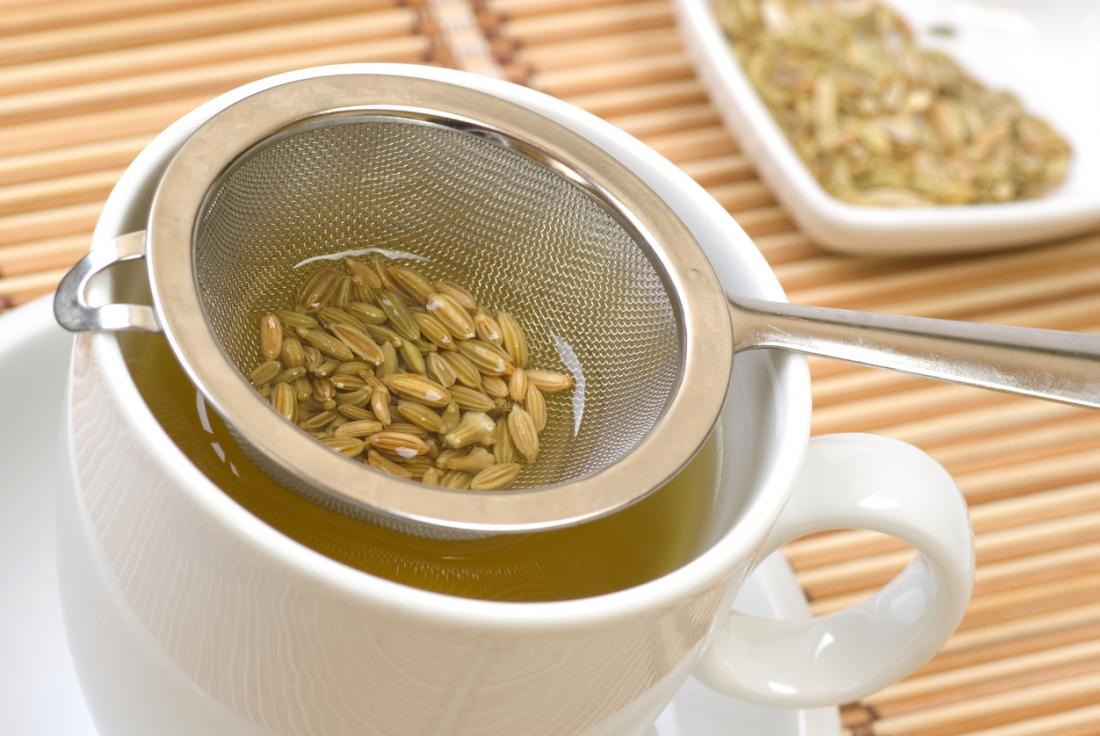
Lightly crush one teaspoon of fennel seeds using a mortar and pestle or the flat of a knife before steeping. Crushing releases the essential oils more completely than steeping whole seeds. Steep the crushed seeds in hot water just below boiling for seven to ten minutes. Strain and drink. The resulting tea is sweet-spiced, anise-flavored, and pleasant without sweetening. Fennel tea combines well with ginger for enhanced digestive benefit, with licorice root for a sweeter blend, or with peppermint for a refreshing post-meal combination that addresses both digestive comfort and breath freshness. Two to three cups daily is appropriate for most healthy adults. Fennel has mild estrogenic properties, so women with estrogen-sensitive conditions including estrogen receptor-positive breast cancer should consult a healthcare provider before regular consumption. Pregnant women should limit fennel tea to occasional use as the phytoestrogen content may be inappropriate at high doses during pregnancy.
FENNEL TEA FOR ATHLETES AND ACTIVE INDIVIDUALS
Gastrointestinal comfort is a genuine performance variable for athletes who train at high intensities or compete under conditions that compromise digestive function. The antispasmodic properties of fennel tea make it a practical pre-training or inter-session beverage for athletes who experience bloating, cramping, or gas during workouts, which can impair performance and training quality. Consuming fennel tea in the hour before training reduces the risk of these gastrointestinal disturbances by relaxing gut smooth muscle tone before the additional stress of vigorous exercise is applied. Post-training, fennel tea supports the digestive processing of the recovery meal while delivering antioxidant and anti-inflammatory compounds during the window when adaptation processes are most active. The complete caffeine-free profile makes it suitable at any time of day, and the pleasant anise flavor makes daily habit formation straightforward even for those who find other herbal teas too challenging in flavor.
One final note on fennel tea that distinguishes it from many other herbal preparations is the speed of its digestive effects. Unlike systemic anti-inflammatory or antioxidant effects that require weeks of consistent consumption to accumulate, the antispasmodic and carminative effects of fennel tea operate within 30 to 60 minutes of consumption through a relatively direct mechanism. This means you can use it responsively when digestive discomfort arises rather than relying solely on a preventive daily habit, and you can evaluate its effectiveness for your specific digestive symptoms quickly rather than waiting months for ambiguous results. For athletes who experience unpredictable gastrointestinal distress around training, this responsive use alongside the preventive daily consumption strategy gives fennel tea a practical flexibility that more systemic herbal interventions cannot offer.
Certified strength and conditioning specialists with over 10 years of combined experience in powerlifting, nutrition coaching, and evidence-based fitness content. Based in New York City, the Genghis Fitness team tests every protocol in the gym before writing about it.
If you are exploring herbal teas for health benefits, also see our guides on green tea benefits and peppermint tea — both have strong evidence bases for daily wellness use.
COMPLETE YOUR TRAINING TOOLKIT
Your health routine starts with what you drink. Your training gains start with the right equipment. Lifting straps keep grip from limiting your heaviest pulling work.
Shop Lifting Straps