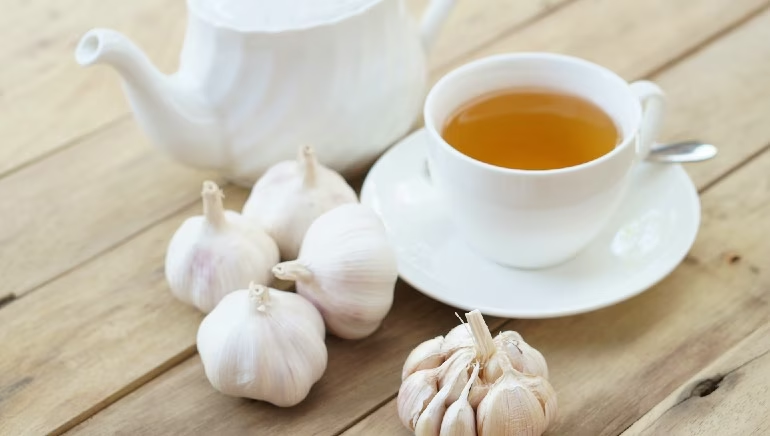
HEALTH BENEFITS OF GARLIC TEA: THE PUNGENT POWERHOUSE THAT EARNS ITS REPUTATION
Garlic tea is not for the faint-hearted. Made by steeping fresh crushed or sliced garlic cloves in hot water, it produces a sharp, pungent brew that most people need to approach intentionally rather than casually. But the bioactive profile of garlic is among the most extensively studied of any food on earth, and consuming it as a tea rather than raw or cooked delivers several of its most active compounds in a more concentrated and immediately bioavailable form than conventional culinary use typically provides. Understanding what garlic contains, what the research supports, and how to make the preparation tolerable turns garlic tea from a folk remedy curiosity into one of the most evidence-backed functional beverages available.
THE BIOACTIVE COMPOUNDS IN GARLIC TEA
Garlic’s most celebrated bioactive compound, allicin, is not present in intact garlic cloves. It forms when the enzyme alliinase, released from ruptured garlic cells, converts the precursor compound alliin into allicin within seconds of crushing or chopping. This is why crushing or slicing garlic before steeping is essential for garlic tea preparation: whole uncut cloves steeped in water produce minimal allicin. Once formed, allicin is unstable and rapidly converts into a range of organosulfur compounds including diallyl sulfide, diallyl disulfide, diallyl trisulfide, and ajoene. These secondary compounds have their own documented biological activities and are present in both fresh garlic preparations and garlic tea. Additional bioactive constituents include saponins, phenolic compounds including quercetin and kaempferol, selenium, and fructooligosaccharides with prebiotic properties. Studies indexed through PubMed have confirmed the bioavailability of garlic’s organosulfur compounds from oral consumption, establishing the pharmacokinetic basis for its health effects.
CARDIOVASCULAR BENEFITS: THE BEST-DOCUMENTED EFFECTS
Garlic’s cardiovascular effects are among the most consistently replicated findings in clinical nutrition research. A comprehensive meta-analysis of randomized controlled trials published in the Journal of Nutrition found that garlic supplementation significantly reduced total cholesterol and LDL cholesterol compared to placebo, with effects most pronounced in individuals with elevated baseline cholesterol. A separate meta-analysis found that garlic reduced systolic blood pressure by approximately 8 mmHg and diastolic blood pressure by approximately 5 mmHg in individuals with hypertension, which is a clinically meaningful reduction comparable in magnitude to some low-dose pharmaceutical antihypertensives. The proposed mechanisms include garlic’s inhibition of HMG-CoA reductase, the same enzyme targeted by statin medications, and its stimulation of nitric oxide production in vascular endothelium, which promotes vasodilation and reduces arterial stiffness. For individuals with borderline high blood pressure or cholesterol who prefer a dietary approach alongside lifestyle modification, garlic tea provides one of the strongest evidence bases in herbal medicine.
ANTIMICROBIAL AND IMMUNE SUPPORT PROPERTIES
Allicin and its derivative compounds demonstrate broad-spectrum antimicrobial activity against bacteria, viruses, and fungi in laboratory settings and in some clinical contexts. Allicin has shown activity against antibiotic-resistant bacterial strains including methicillin-resistant Staphylococcus aureus in vitro, and while this has not translated into a clinical treatment for MRSA infections, it reflects the potency of the compound’s antibacterial mechanism. For common upper respiratory infections, several clinical trials have found that garlic supplementation reduces the frequency and duration of colds compared to placebo. A study published in the journal Advances in Therapy found that participants taking a garlic supplement had significantly fewer cold episodes and recovered more quickly than those taking placebo over a 12-week period during cold season. The immune-stimulating effects of garlic’s organosulfur compounds, including enhanced natural killer cell and macrophage activity, provide a mechanistic basis for these clinical findings that is well-supported in the immunological literature.
ANTI-INFLAMMATORY EFFECTS AND ANTIOXIDANT ACTIVITY
Garlic inhibits the production of pro-inflammatory prostaglandins and thromboxanes through its effects on arachidonic acid metabolism. The organosulfur compounds suppress NF-kB activation, a central transcription factor driving inflammatory gene expression across multiple tissue types. These mechanisms collectively produce anti-inflammatory effects that have been measured in clinical studies of athletes undergoing heavy training, where garlic supplementation reduced markers of exercise-induced inflammation including C-reactive protein and interleukin-6. For athletes managing the chronic inflammation associated with high training volumes, garlic tea consumed regularly represents a dietary anti-inflammatory contribution that is both evidence-based and practically accessible. The antioxidant capacity from garlic’s phenolic compounds and selenium content adds a further dimension to its protective profile against oxidative stress from intense physical training.
BLOOD SUGAR MANAGEMENT AND METABOLIC EFFECTS
Multiple studies have investigated garlic’s effects on blood glucose management in diabetic and pre-diabetic populations with consistently positive findings. The mechanisms include allicin’s stimulation of insulin secretion from pancreatic beta cells and the inhibition of hepatic glucose production. A meta-analysis of clinical trials found that garlic supplementation significantly reduced fasting blood glucose and HbA1c compared to placebo in individuals with type 2 diabetes. The magnitude of effect is clinically meaningful but modest compared to pharmaceutical management, positioning garlic tea as an appropriate complementary dietary strategy rather than a standalone treatment for diagnosed diabetes. For athletes and health-conscious individuals managing glycemic health through diet, the blood sugar-modulating properties of regular garlic tea consumption add a relevant dimension to its cardiovascular and immune applications.
HOW TO PREPARE GARLIC TEA AND MAKE IT DRINKABLE
Crush two to three garlic cloves firmly with the flat of a knife and allow them to sit for ten minutes before adding to hot water. This resting period allows allicin formation to complete before heat exposure, which is important because the alliinase enzyme that produces allicin is inactivated by high heat. After ten minutes, steep the crushed cloves in water just below boiling for five to ten minutes. Strain before drinking. Adding fresh lemon juice significantly improves the flavor by cutting through the sharpness and adding its own vitamin C and polyphenol contribution. A small amount of raw honey also complements the flavor while providing its own antimicrobial properties. For those who find the intensity challenging, starting with one clove per cup and gradually increasing over several weeks allows the palate to adapt. Consuming garlic tea in the morning before eating provides the best absorption of its active compounds and avoids the social considerations of garlic breath throughout the working day.
SAFETY CONSIDERATIONS AND PRACTICAL NOTES
Garlic is extremely safe for the vast majority of healthy adults at dietary consumption levels. The most common adverse effect from garlic tea is gastrointestinal discomfort including bloating, gas, and heartburn, particularly when consumed on an empty stomach at high concentrations. Starting with smaller amounts and consuming with food reduces these effects significantly. Individuals taking anticoagulant medications including warfarin should be aware that garlic has mild blood-thinning properties at high doses that could potentially interact with pharmaceutical anticoagulation. People preparing for surgery are typically advised to discontinue high-dose garlic supplementation several days before the procedure for the same reason. Garlic tea consumed as a dietary beverage at one to two cups daily poses minimal interaction risk for most people, but disclosure to healthcare providers is appropriate for anyone on relevant medications.
Garlic tea’s compound profile gives it a unique position among herbal beverages because the primary active compound allicin and its derivative organosulfur molecules operate through mechanisms that are well-characterized not just in vitro but in controlled human clinical trials with replicated findings across multiple independent research groups. This is a higher evidentiary standard than most herbal tea health claims meet. The cardiovascular findings in particular are robust enough that several cardiologists and functional medicine practitioners recommend garlic consumption as part of dietary cardiovascular risk reduction protocols alongside other evidence-based dietary interventions. One to two cups of garlic tea daily, consumed consistently over months, contributes to the cardiovascular protective environment in a manner that is additive to a broadly healthy diet rather than dependent on it for effect. The sulfur compounds also contribute to liver detoxification pathway support, specifically the glutathione synthesis pathway, which is a relevant consideration for athletes who use pain medications and other compounds that place metabolic burden on hepatic processing systems.
Certified strength and conditioning specialists with over 10 years of combined experience in powerlifting, nutrition coaching, and evidence-based fitness content. Based in New York City, the Genghis Fitness team tests every protocol in the gym before writing about it.
If you are exploring herbal teas for health benefits, also see our guides on green tea benefits and peppermint tea — both have strong evidence bases for daily wellness use.
COMPLETE YOUR TRAINING TOOLKIT
Your health routine starts with what you drink. Your training gains start with the right equipment. Lifting straps keep grip from limiting your heaviest pulling work.
Shop Lifting Straps