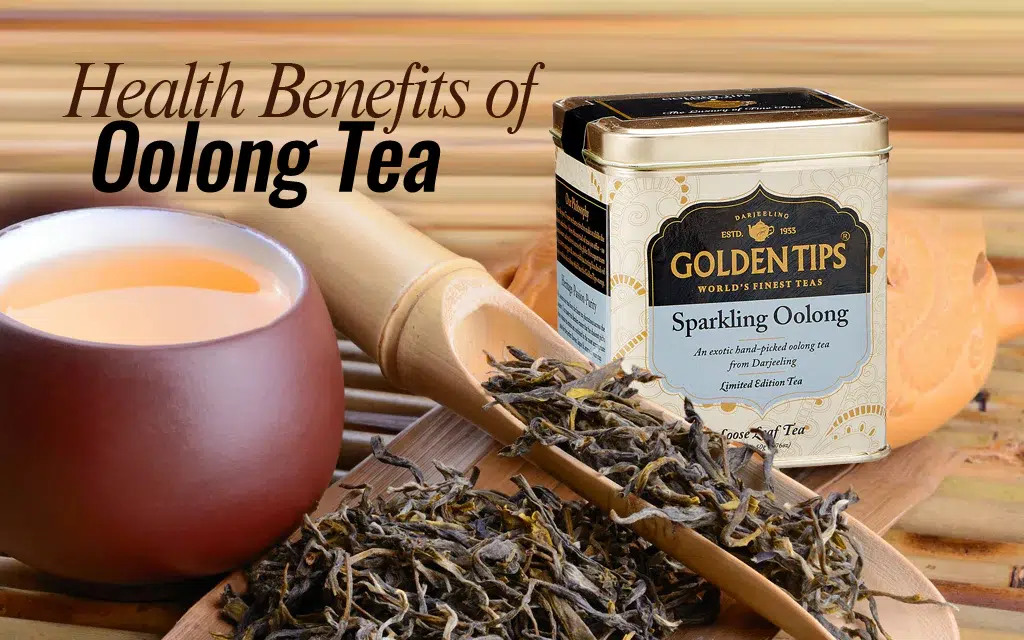
HEALTH BENEFITS OF OOLONG TEA: THE PARTIALLY OXIDIZED TEA WITH A UNIQUE COMPOUND PROFILE
Oolong tea occupies a unique position in the tea world, sitting between green and black tea in terms of both processing and compound profile. While green tea is unoxidized and black tea is fully oxidized, oolong tea is partially oxidized at levels ranging from 15 to 85 percent depending on the specific variety and the producer’s intention. This partial oxidation creates a distinct range of polyphenol compounds that are not found in equivalent concentrations in either green or black tea, giving oolong a health profile that is genuinely distinct from both rather than simply intermediate between them. Understanding what oolong contains and what the research supports for its specific compound profile reveals a tea with several well-documented benefits and an overall health contribution worth taking seriously.
WHAT MAKES OOLONG DIFFERENT: THE PARTIAL OXIDATION CHEMISTRY
The partial oxidation process transforms some of the green tea catechins into theaflavins and thearubigins, the compounds that give black tea its color and some of its cardiovascular properties, while preserving significant catechin content that would be fully degraded in black tea processing. The result is a unique polyphenol mixture containing epigallocatechin gallate and other catechins at lower concentrations than green tea, theaflavins at lower concentrations than black tea, and a range of intermediate oxidation products including theasinensins and oolonghomobisflavans that are relatively unique to oolong. These intermediate compounds, particularly the theasinensins, have demonstrated specific biological activities including lipase inhibition and melanin suppression that have been the subject of dedicated research programs. Studies indexed through PubMed have confirmed the bioavailability of oolong’s unique polyphenol fraction, establishing the pharmacokinetic basis for evaluating its specific health effects rather than extrapolating from either green or black tea research.
WEIGHT MANAGEMENT AND FAT OXIDATION
Oolong tea has accumulated a stronger evidence base for weight management and fat oxidation than most other teas, with several human clinical studies specifically examining these outcomes. A study published in the Chinese Journal of Integrative Medicine found that participants who consumed oolong tea daily for six weeks experienced significant reductions in body weight and body fat percentage compared to a water control group. The proposed mechanisms include EGCG-mediated catechol-O-methyltransferase inhibition that increases thermogenesis, the unique polyphenol compounds that inhibit pancreatic lipase reducing fat absorption from the diet, and the synergistic effect of caffeine and catechins that is well-documented for thermogenic action. A separate study found that oolong tea consumption increased fat oxidation by approximately 12 percent over 24 hours compared to water, which is a meaningful metabolic effect from a single beverage. For athletes managing body composition, oolong provides evidence-backed fat oxidation support without the jitteriness associated with higher-caffeine options.
CARDIOVASCULAR HEALTH EFFECTS
Oolong tea’s cardiovascular effects benefit from both the retained catechin content shared with green tea and the theaflavin fraction shared with black tea, making it a potentially comprehensive cardiovascular support beverage. Population studies in Taiwan and Japan, where oolong consumption is highest, have found associations between regular oolong consumption and reduced cardiovascular disease risk that persist after controlling for confounding variables. A prospective cohort study published in the Archives of Internal Medicine found that consuming two or more cups of oolong tea per day was associated with a 46 percent lower risk of cardiovascular events compared to non-tea drinkers. Controlled clinical trials have found that oolong reduces LDL cholesterol and triglycerides while improving endothelial function. The specific theasinensins unique to oolong appear to contribute lipid-lowering effects beyond what green or black tea catechins provide, which explains why some cardiovascular outcome studies find oolong performing distinctly from both other tea types rather than simply splitting the difference.
BLOOD SUGAR REGULATION AND DIABETES RISK REDUCTION
Multiple studies have found that oolong tea consumption improves blood glucose management through several complementary mechanisms. A clinical trial in type 2 diabetics found that consuming oolong tea alongside standard hypoglycemic medication produced significantly better blood glucose control than medication alone. The polyphenol compounds in oolong inhibit alpha-glucosidase, reducing carbohydrate absorption from meals. EGCG and related catechins improve insulin signaling at the cellular level. The unique oolong polyphenols may also contribute through lipase inhibition that reduces fat absorption and secondary effects on insulin resistance. A large cross-sectional study found that oolong tea consumption was independently associated with a 16 percent lower risk of type 2 diabetes after adjusting for diet, physical activity, and other lifestyle variables, suggesting a meaningful long-term protective effect from regular consumption.
SKIN HEALTH AND ANTI-ECZEMA EFFECTS
One of the more distinctive applications with specific clinical evidence for oolong tea is skin health, particularly eczema. A randomized controlled trial published in the Archives of Dermatology found that patients with recalcitrant atopic dermatitis who drank three cups of oolong tea daily for one month showed significant improvements in skin condition compared to a control period without tea. The proposed mechanism involves the anti-inflammatory activity of the polyphenol fraction reducing the immunological overreaction in the skin that drives atopic dermatitis symptoms. The researchers noted that the improvement was sustained over a follow-up period, suggesting an ongoing benefit from continued consumption rather than a temporary effect. This specific clinical finding for skin inflammation is relatively unusual in herbal and tea research where skin benefits are commonly claimed but rarely supported by controlled trial evidence.
BONE MINERAL DENSITY AND DENTAL HEALTH
Regular tea consumption in general and oolong specifically has been associated with improved bone mineral density in several epidemiological studies. Fluoride content in tea, which is higher in older tea leaves and varies by variety, contributes to dental enamel strength and reduces cavity risk. A cross-sectional study found that women who consumed oolong tea regularly had significantly higher bone mineral density at the lumbar spine and hip compared to non-tea drinkers, with the association persisting after adjusting for calcium intake and physical activity. The mechanism may involve the polyphenol compounds reducing the bone resorption activity of osteoclasts while supporting osteoblast function, a pattern consistent with findings in other polyphenol research. For athletes concerned about bone health under high training loads, oolong tea’s association with better bone density provides a low-cost dietary consideration that complements the calcium, vitamin D, and weight-bearing exercise fundamentals of bone health management.
HOW TO BREW OOLONG AND BUILD A DAILY HABIT
Oolong tea is brewed at water temperatures between 85 and 95 degrees Celsius, depending on the oxidation level of the specific variety. Lightly oxidized oolong, closer to green tea in character, benefits from cooler water around 85 degrees to preserve its delicate floral and fruity notes. Heavily oxidized oolong can handle temperatures closer to boiling without becoming bitter. Steep for two to three minutes for the first infusion. Oolong tea is traditionally reinfused multiple times, with each subsequent infusion at a slightly longer steep time revealing different flavor dimensions of the same leaves. Two to three cups daily is the consumption level associated with the strongest positive health outcomes in the clinical literature. The caffeine content per cup is moderate at approximately 30 to 50 milligrams, making it appropriate for morning and early afternoon consumption without the sleep-disrupting effects of higher-caffeine options. Oolong’s complex, nuanced flavor that ranges from floral and creamy to roasted and nutty depending on variety makes exploring different oolongs a rewarding aspect of building a daily tea practice.
Certified strength and conditioning specialists with over 10 years of combined experience in powerlifting, nutrition coaching, and evidence-based fitness content. Based in New York City, the Genghis Fitness team tests every protocol in the gym before writing about it.
If you are exploring herbal teas for health benefits, also see our guides on green tea benefits and peppermint tea — both have strong evidence bases for daily wellness use.
COMPLETE YOUR TRAINING TOOLKIT
Your health routine starts with what you drink. Your training gains start with the right equipment. Lifting straps keep grip from limiting your heaviest pulling work.
Shop Lifting Straps