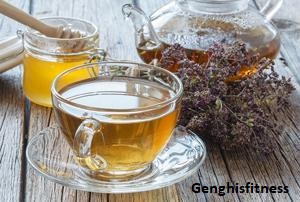
HEALTH BENEFITS OF OREGANO TEA: THE KITCHEN HERB THAT WORKS JUST AS HARD IN YOUR CUP
Oregano occupies a unique position among culinary herbs. Most people know it from pizza and Mediterranean cooking, but the dried leaf that provides its culinary function is identical to the material used for oregano tea, and the bioactive compounds responsible for oregano’s flavor are also responsible for a set of well-documented health effects that make it one of the more pharmacologically active herbs in everyday kitchen use. Oregano tea, made by steeping fresh or dried oregano leaves in hot water, concentrates the essential oil compounds in a form that delivers them to the digestive system and bloodstream more directly than using oregano as a cooking spice in food.
THE BIOACTIVE COMPOUNDS IN OREGANO
Oregano’s dominant bioactive compounds are carvacrol and thymol, phenolic monoterpenes that comprise the majority of its essential oil and are responsible for its characteristic aroma and the bulk of its documented biological activity. Carvacrol in particular has been one of the most studied natural antimicrobial compounds in food science and pharmaceutical research over the past three decades. Additional compounds include rosmarinic acid, a highly potent phenolic antioxidant also found in rosemary and peppermint, ursolic acid with anti-inflammatory and anti-tumor properties, luteolin and apigenin flavonoids with anti-inflammatory and antioxidant activity, and beta-caryophyllene, a sesquiterpene with cannabinoid receptor activity that contributes anti-inflammatory and analgesic effects. The full essential oil profile in a cup of oregano tea delivers these compounds in a form that is directly bioavailable upon consumption, as confirmed in studies indexed through PubMed that have measured urinary metabolites of oregano phenolic compounds following human consumption.
ANTIMICROBIAL ACTIVITY: AMONG THE STRONGEST IN FOOD
Carvacrol and thymol demonstrate antimicrobial activity against a remarkably broad spectrum of pathogens including Staphylococcus aureus, Escherichia coli, Salmonella species, Campylobacter jejuni, Listeria monocytogenes, and Candida albicans in laboratory settings. The mechanism involves disruption of bacterial and fungal cell membrane integrity, leading to leakage of cellular contents and organism death. This membrane-disrupting mechanism is distinct from the targets of most antibiotic classes, which is why oregano essential oil has been investigated as a potential synergistic agent with conventional antibiotics against drug-resistant organisms. Clinically relevant concentrations of carvacrol for human systemic infections are not achievable from oregano tea, but for gastrointestinal infections where the antimicrobial compounds are present at higher concentrations in the gut lumen, oregano tea may contribute to reducing the pathogen load associated with food-borne illness and digestive infections. Traditional use of oregano preparations for stomach upsets and diarrhea is consistent with this gastrointestinal antimicrobial mechanism.
ANTIOXIDANT ACTIVITY AND ANTI-INFLAMMATORY EFFECTS
Oregano has the highest antioxidant activity of any fresh herb tested in ORAC assays, and the dried form retains much of this activity. Rosmarinic acid is one of the most potent polyphenol antioxidants found in any food plant, with free radical scavenging capacity that exceeds vitamin E in standardized comparisons. The combination of rosmarinic acid, carvacrol, thymol, and flavonoids produces a total antioxidant capacity that makes oregano tea a meaningful dietary antioxidant source even at one to two cups daily. The anti-inflammatory mechanisms are multiple: rosmarinic acid inhibits complement activation and leukocyte migration; carvacrol suppresses NF-kB activation; beta-caryophyllene acts on CB2 cannabinoid receptors to reduce neurogenic inflammation. This multi-pathway anti-inflammatory profile is relevant for athletes managing training-induced inflammation and for the general population dealing with chronic low-grade inflammatory conditions.
IMMUNE SUPPORT AND ANTIVIRAL PROPERTIES
Oregano compounds demonstrate antiviral activity in laboratory settings against several clinically relevant viruses including norovirus surrogates, respiratory syncytial virus, and human coronavirus strains. The mechanisms include disruption of viral envelope lipids and interference with viral attachment to host cell receptors. While the concentrations tested in in vitro studies exceed what drinking oregano tea achieves in systemic circulation, the gut-level concentrations during digestion are considerably higher and may produce meaningful antiviral effects against gastrointestinal viral infections. The immune-stimulating properties of carvacrol and thymol, which enhance macrophage and natural killer cell activity in cell models, provide an additional mechanism for the traditional use of oregano preparations during acute infections. Regular oregano tea consumption as part of an immune-supportive dietary approach is consistent with the evidence, particularly during cold and flu seasons.
DIGESTIVE HEALTH AND GUT MICROBIOME EFFECTS
Oregano’s antimicrobial properties are a double-edged sword for gut microbiome health: the same compounds that reduce pathogen populations can also affect beneficial bacteria populations at sufficient doses. This concern is most relevant for high-dose oregano oil supplements rather than oregano tea, where the essential oil concentration is much lower. At the concentrations delivered by one to two cups of oregano tea daily, the antimicrobial compounds appear to preferentially affect pathogenic organisms more than commensal bacteria, which are generally more resistant to phenolic antimicrobials. The prebiotic fructooligosaccharide content of oregano also supports beneficial bacteria populations. Traditional use of oregano for bloating, gas, and digestive discomfort is supported by the antispasmodic properties of thymol and carvacrol on gastrointestinal smooth muscle, which reduce the cramping and motility disturbances that produce these symptoms.
PREPARING OREGANO TEA AND APPROPRIATE CONSUMPTION
Steep one to two teaspoons of fresh or dried oregano leaves in hot water at 90 to 95 degrees Celsius for five to ten minutes. Fresh oregano produces a lighter, more floral flavor. Dried oregano produces a more concentrated, earthier tea with higher essential oil extraction. Adding lemon juice brightens the flavor significantly and adds its own vitamin C and antioxidant contribution. One to two cups daily is an appropriate consumption level for general health maintenance. Oregano tea is safe for most healthy adults at dietary consumption levels and has a long history of use in Mediterranean cuisines and folk medicine without significant adverse effects. Pregnant women should limit consumption to culinary amounts rather than medicinal quantities as oregano essential oil compounds may stimulate uterine contractions at high doses. Individuals with plant allergies, particularly to Lamiaceae family plants like mint or lavender, should introduce oregano tea cautiously as cross-reactivity is possible.
OREGANO TEA AND TRAINING RECOVERY
For athletes, the combination of antioxidant, anti-inflammatory, and antimicrobial properties in oregano tea addresses three distinct aspects of the recovery environment simultaneously. The antioxidant contribution from rosmarinic acid and the flavonoid content supports the body’s management of exercise-induced oxidative stress during the post-training window when reactive oxygen species production peaks. The anti-inflammatory mechanisms, particularly the CB2 receptor activity of beta-caryophyllene, contribute to the modulation of the acute inflammatory response that is necessary for adaptation but which, in excess, delays recovery and impairs subsequent training sessions. The antimicrobial properties support the immune resilience that heavy training can temporarily compromise, reducing the frequency of minor infections that interrupt training continuity. One to two cups of oregano tea daily as part of the post-training nutritional routine is a low-cost, practical addition that addresses all three of these recovery dimensions with a single culinary-grade beverage.
The culinary familiarity of oregano creates a practical advantage for building a daily consumption habit that more exotic herbal preparations lack. Most households already have dried oregano in the spice cabinet, and the flavor profile of oregano tea is familiar and generally pleasant to most palates without requiring an acquired taste. Starting a daily oregano tea habit costs almost nothing, requires no special sourcing, and integrates naturally into a morning or post-meal routine alongside other habitual beverages. For athletes and health-focused individuals who want to expand their functional beverage rotation with an evidence-backed option that delivers real bioactive content, oregano tea requires less effort and less investment than almost any comparable alternative. The willingness to actually consume a beneficial beverage consistently over months and years is ultimately more important than the theoretical superiority of any exotic supplement, and oregano tea’s familiarity is a genuine practical advantage for the population of people most likely to benefit from it.
Certified strength and conditioning specialists with over 10 years of combined experience in powerlifting, nutrition coaching, and evidence-based fitness content. Based in New York City, the Genghis Fitness team tests every protocol in the gym before writing about it.
If you are exploring herbal teas for health benefits, also see our guides on green tea benefits and peppermint tea — both have strong evidence bases for daily wellness use.
COMPLETE YOUR TRAINING TOOLKIT
Your health routine starts with what you drink. Your training gains start with the right equipment. Lifting straps keep grip from limiting your heaviest pulling work.
Shop Lifting Straps