HEALTH BENEFITS OF SPEARMINT TEA: THE GENTLER MINT WITH SERIOUS SCIENCE BEHIND IT
Spearmint and peppermint look similar in the garden but have fundamentally different chemistry and produce genuinely different health effects. Peppermint is 35 to 55 percent menthol. Spearmint is 60 to 70 percent carvone with essentially no menthol. That difference in essential oil composition drives a distinct set of clinical findings for hormonal health, cognitive function, and anti-inflammatory activity that stand entirely on their own merits.
WHAT SPEARMINT TEA CONTAINS
The spearmint essential oil profile is dominated by carvone, with limonene, cineole, and linalool as secondary compounds. The flavonoid fraction includes luteolin, apigenin, and ursolic acid. Rosmarinic acid, one of the most potent phenolic antioxidants in the Lamiaceae plant family, is present at meaningful concentrations alongside the essential oil compounds. Studies indexed on PubMed confirm systemic absorption of these compounds following oral consumption.
If you already drink peppermint tea regularly, spearmint is the right complement rather than the replacement. Peppermint addresses digestion and respiratory symptoms through menthol. Spearmint addresses hormonal balance and cognitive function through a completely different mechanism.
HORMONAL EFFECTS IN WOMEN: THE STANDOUT CLINICAL FINDING
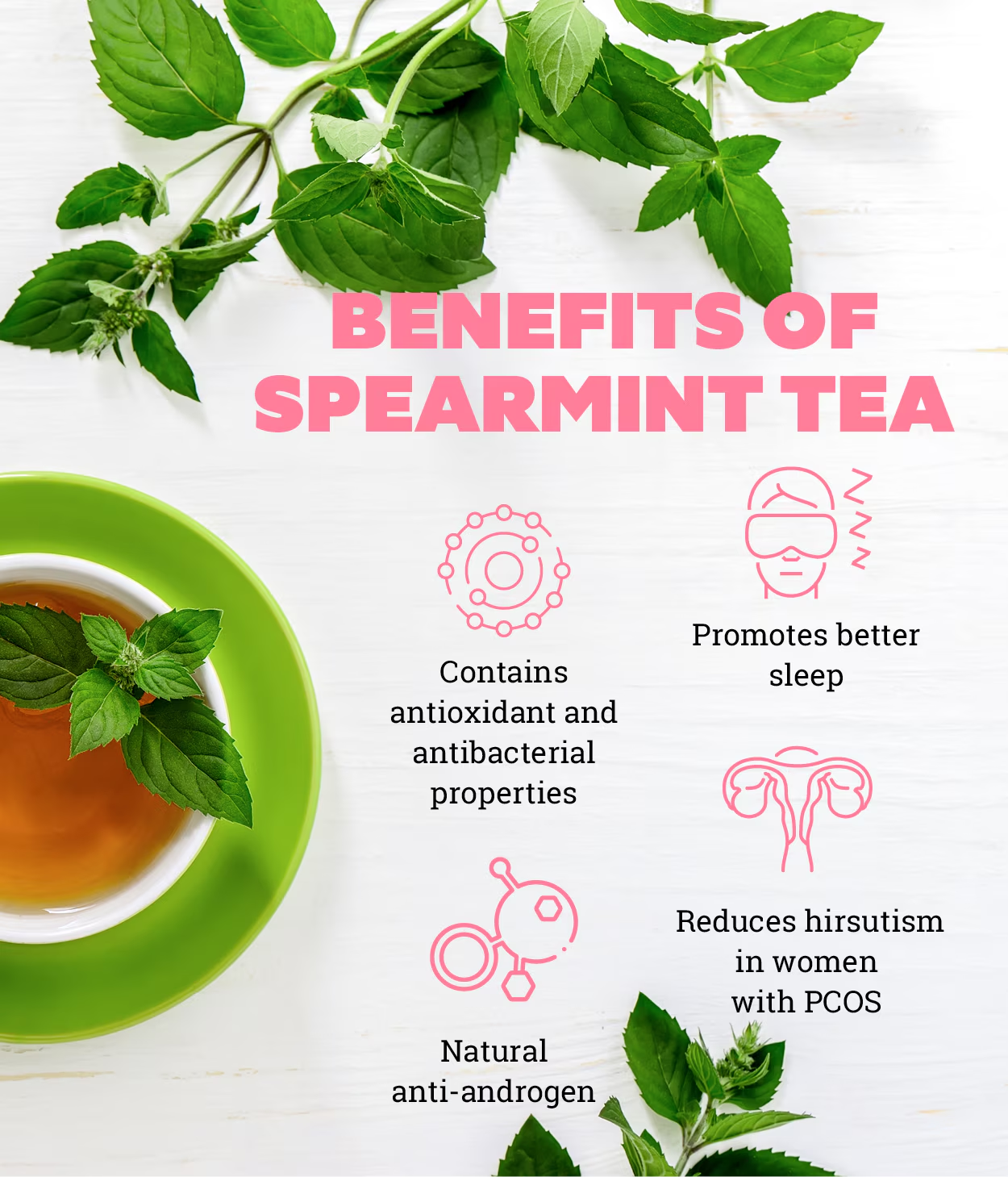
Spearmint tea has the most specific and well-designed clinical evidence for hormonal effects of any herbal tea. A randomized controlled trial published in Phytotherapy Research enrolled women with polycystic ovary syndrome and found that two cups of spearmint tea daily for 30 days significantly reduced free testosterone compared to placebo. Luteinizing hormone and follicle-stimulating hormone both improved. Hirsutism scores, measuring excess hair growth, improved alongside the hormonal markers.
A follow-up study over five weeks confirmed the findings. The mechanism involves spearmint compounds inhibiting 5-alpha reductase, which converts testosterone to the more potent dihydrotestosterone. This is directly relevant for women with PCOS, hormonal acne, or excess facial hair who are exploring dietary approaches alongside or before medical management.
Women with PCOS often struggle simultaneously with hormonal imbalance and insulin resistance. Combining a daily spearmint tea habit with a structured approach to weight management addresses both dimensions at once.
COGNITIVE FUNCTION AND MEMORY SUPPORT
A randomized double-blind trial published in the Journal of Alternative and Complementary Medicine examined spearmint extract in healthy adults with age-associated memory concerns over 90 days. The spearmint group showed significantly improved spatial working memory and sustained attention compared to placebo. Effect sizes were modest but statistically meaningful across the full 90-day period.
The cognitive mechanism of spearmint differs from rosemary’s cognitive pathway. Where rosemary works through acetylcholinesterase inhibition, spearmint’s flavonoid profile interacts with synaptic neurotransmission through separate routes. Both herbs are worth including in a daily routine for complementary cognitive support.
ANTI-INFLAMMATORY ACTIVITY
Rosmarinic acid inhibits complement activation and 5-lipoxygenase simultaneously, addressing two distinct branches of the inflammatory cascade. Ursolic acid suppresses NF-kB activation and reduces TNF-alpha and IL-6 production. The combined anti-inflammatory action from these two compounds addresses inflammation through mechanisms that complement rather than duplicate each other.
For athletes accumulating training-related inflammation across a heavy week, two cups of spearmint tea daily adds a meaningful dietary contribution to the broader recovery approach. The anti-inflammatory mechanisms described in our muscle recovery guide become more effective when the dietary inflammatory environment supports them.
DIGESTIVE AND ANTIMICROBIAL PROPERTIES
Cineole and carvone have mild antispasmodic effects on gut smooth muscle. The effects are less pronounced than peppermint’s but still clinically relevant for reducing bloating and supporting normal digestive motility. Spearmint essential oil compounds also demonstrate activity against Helicobacter pylori and several common gastrointestinal pathogens in laboratory settings.
For a complete approach to using herbal teas for digestive health, see our guide to teas for digestion. Spearmint works well as part of a rotation that also includes ginger, fennel, and chamomile depending on the specific digestive symptom being addressed.
SAFETY AND WHO BENEFITS MOST
Two cups daily is the dose used in the hormonal trial. At one to two cups, the testosterone-reducing effect is modest and unlikely to cause issues in healthy men. Athletes specifically focused on maximizing testosterone-dependent training adaptations should keep consumption at reasonable levels rather than drinking five or more cups daily as their primary beverage.
Women with PCOS, hormonal acne, or hirsutism benefit most from the anti-androgenic application. Both sexes benefit from the anti-inflammatory, antioxidant, and cognitive support properties at normal consumption levels. The pleasant sweetly minty flavor and complete caffeine-free profile make spearmint tea one of the easiest herbal teas to incorporate consistently at any time of day.
Pairing spearmint with rosehip tea in a morning rotation combines hormonal support with exceptional vitamin C and antioxidant coverage. Adding chamomile tea in the evening rounds out the day with sleep and relaxation support.
HOW TO PREPARE SPEARMINT TEA
Steep one to two teaspoons of dried spearmint or four to five fresh sprigs in water at 90 degrees Celsius for five to seven minutes. Over-steeping produces slight astringency but is less punishing than over-steeped peppermint or green tea. The flavor is sweetly minty, immediately appealing, and requires no sweetening for most palates. Lemon juice brightens it further and adds vitamin C to the cup.
Fresh spearmint is easy to grow in a container at home across most US and European climates and provides a continuous supply of the freshest possible leaves for tea preparation throughout the spring and summer growing season.
THE SCIENCE OF CARVONE AND ITS UNIQUE EFFECTS
Carvone interacts with kappa-opioid receptors in the brain and gut, producing mild analgesic and sedative effects at the central level alongside its peripheral antispasmodic action. This central nervous system activity is part of why spearmint has a calming quality that peppermint, dominated by the stimulating cold-receptor activating menthol, does not share. The linalool content reinforces this through its established GABA-A receptor interaction, providing mild anxiolytic activity that makes spearmint tea particularly suited to evening consumption or use around stress-inducing situations.
Rosmarinic acid, present in high concentration in spearmint alongside other Lamiaceae herbs, has been studied specifically for its anti-allergic properties. A clinical trial found rosmarinic acid supplementation reduced nasal symptoms in subjects with seasonal allergic rhinitis compared to placebo, with mechanisms involving inhibition of complement C3 convertase activation that drives allergic inflammatory responses. For individuals with seasonal allergies who also experience the hormonal or cognitive concerns that make spearmint relevant, this additional anti-allergic dimension adds another layer of practical application from a single daily beverage.
LONG-TERM CONSISTENCY MATTERS MORE THAN DOSE INTENSITY
The cognitive memory findings from the spearmint research came from a 90-day trial, and the hormonal findings came from trials of 30 to 35 days. These timelines reflect the reality that the beneficial effects of spearmint compounds accumulate through consistent daily exposure rather than appearing dramatically after a few days. Building the habit before expecting to notice the effects is the correct frame for evaluating spearmint tea’s contribution to your health. Two cups daily, every day, for at least a month is the minimum trial period for assessing whether spearmint tea is producing the cognitive or hormonal effects relevant to your situation.
The cost and accessibility advantages of spearmint tea make this long-term commitment realistic in a way that expensive supplements are not. Fresh spearmint grows readily in any garden or window container, dried spearmint is available inexpensively at any grocery store, and the flavor is pleasant enough that daily consumption feels like a choice you want to make rather than one you have to force yourself through.
Certified strength and conditioning specialists with over 10 years of combined experience in powerlifting, nutrition coaching, and evidence-based fitness content. Based in New York City, the Genghis Fitness team tests every protocol in the gym before writing about it.