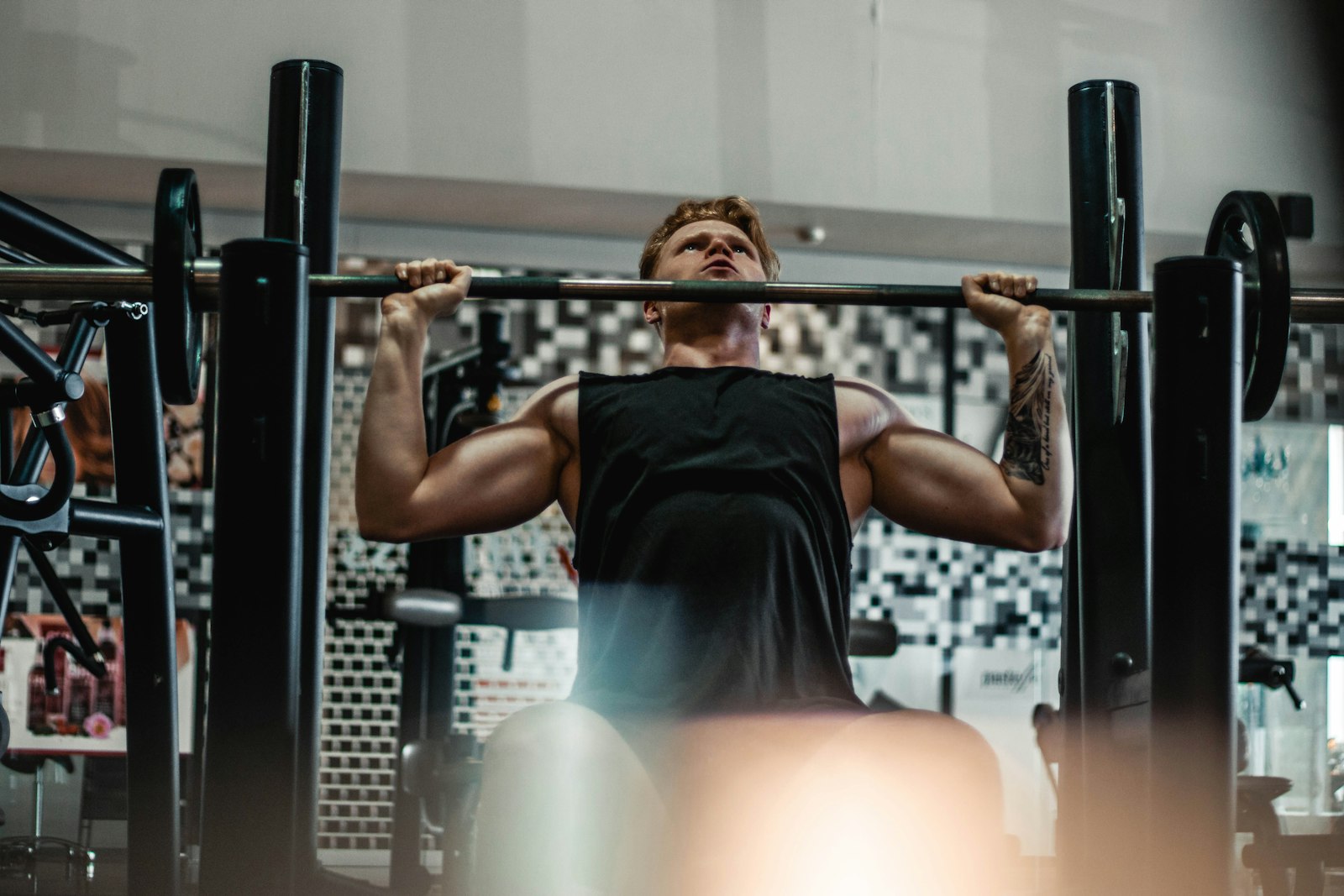
Lifting Straps for Beginners: When to Use Them and How to Get the Most Out of Them
If you are new to lifting, lifting straps might feel like an advanced tool reserved for competitive deadlifters. That impression is wrong. Lifting straps solve one of the most common problems beginners face: grip failing before the target muscle does. When your hands give out before your back, legs, or traps have been properly challenged, you are not getting the workout you came for.
This guide explains exactly when beginners should start using lifting straps, how to put them on correctly, which exercises benefit most from straps, and why using them strategically from the beginning builds better habits than waiting until your grip becomes the main obstacle.
Why Beginners Struggle With Grip on Pulling Exercises
Grip strength develops more slowly than the large muscle groups it is supposed to support. Your back can handle far more load than your forearms can maintain. In the first 6 to 12 months of training, this gap is widest. A beginner can progress from a 95-pound deadlift to a 225-pound deadlift in a matter of months, but grip strength does not scale at the same rate.
This creates a real training problem. According to research on grip fatigue published on PubMed, forearm flexor fatigue limits pulling performance before larger posterior chain muscles reach their training threshold. Using lifting straps on heavy sets bridges that gap while your grip catches up through time and dedicated training.
When Should a Beginner Start Using Lifting Straps?
The right time to introduce straps is when grip is consistently the first thing to fail during working sets on pulling exercises. If you are doing 4 sets of bent-over rows and your hands are giving out by set 3 before your lats have been challenged, that is the signal.
- Grip gives out before the target muscle: use straps on working sets
- Hands feel sore and limiting before the last set: add straps for the final 2 sets
- Grip is not limiting at all: train without straps and let grip strengthen naturally
- Doing max-effort deadlifts: straps allow you to focus entirely on form and load
A useful rule: do your first 2 to 3 warm-up sets without straps to train raw grip strength. Add straps for working sets where grip would otherwise limit the load or the rep count. This builds grip over time without sacrificing the quality of your pulling work.
How to Put on Lifting Straps Correctly
Most beginners put straps on wrong the first time. Here is the correct technique for standard lasso-style lifting straps.
- Thread one end of the strap through the loop to create a circle for your wrist
- Slide your wrist through so the tail hangs on the thumb side of your hand
- Place the tail over the bar on the side closest to you
- Rotate the bar away from you, winding the strap around the bar
- Grip the bar naturally over the wound strap and squeeze it tight
The strap should feel locked in, not slipping. If it slips when you pull, you have not wound it tightly enough. Practice the winding motion dry before loading any weight. It takes 3 to 5 sessions to make it feel completely natural.
Which Exercises Should Beginners Use Lifting Straps For?
Use straps on exercises where the target muscle is significantly stronger than your grip and where grip failure prevents effective training.
- Deadlifts: conventional, sumo, Romanian, stiff-leg
- Bent-over barbell rows on heavy working sets
- Lat pulldowns and cable rows when using heavy loads for low reps
- Dumbbell rows when using heavy dumbbells on single-arm work
- Rack pulls and deficit pulls
- Shrugs and heavy farmer carries
Do not use straps on pull-ups, barbell curls, or any exercise at a weight you can comfortably hold. Straps are a tool for heavy pulling, not a substitute for training your grip.
Should Beginners Use Regular Straps or Figure-8 Straps?
For most beginners, standard lasso lifting straps are the right starting point. They are easy to learn, versatile across exercises, and allow you to release the bar quickly. Figure-8 lifting straps lock you to the bar more aggressively and are primarily used by advanced lifters during maximum-effort deadlifts. Start with standard straps, master the technique, and consider figure-8 straps later when your deadlift is more advanced.
Will Using Straps Make My Grip Weaker?
Only if you use them on everything indiscriminately. Using straps on heavy working sets while still doing warm-up sets and pull-up work with bare hands will not weaken your grip. The key is that you are still exposing your grip to regular training stimulus.
If you want to actively develop your grip alongside strap-assisted training, add grip strengthening exercises to your accessory work. Farmer carries, plate pinches, and towel pull-ups are all effective and take less than 10 minutes per session.
Strap Material: What to Look for as a Beginner
Cotton straps are soft, comfortable, and affordable. They are the most beginner-friendly option and provide excellent grip on the bar without the break-in period that leather requires. Neoprene-padded straps add wrist comfort for those with sensitive skin. For a first pair, cotton or standard nylon straps are the right call. Leather straps are worth upgrading to once your pulling work becomes heavy enough that strap durability matters.
LIFTING STRAPS FOR BEGINNERS: START RIGHT
A quality pair of lifting straps immediately solves the most common beginner problem on pulling exercises. Stop leaving reps on the floor because your hands gave up first.
Shop Lifting StrapsFrequently Asked Questions
At what weight should a beginner start using lifting straps?
There is no specific weight threshold. Use straps when your grip consistently fails before the target muscle on heavy sets. For some beginners this happens at 135 pounds on deadlifts; for others with naturally strong grips, it may not occur until 225 or more.
Can I use lifting straps for squats?
Straps are not used for squats. The barbell rests on your upper back during a back squat, so grip is not the limiting factor. Straps are specifically for pulling movements where you need to hold the bar from beneath.
How long do lifting straps last?
A quality pair of cotton or nylon straps lasts 2 to 5 years with regular use. Hand wash and air dry. Replace them when you notice fraying at the loop or significant wear at the winding section.