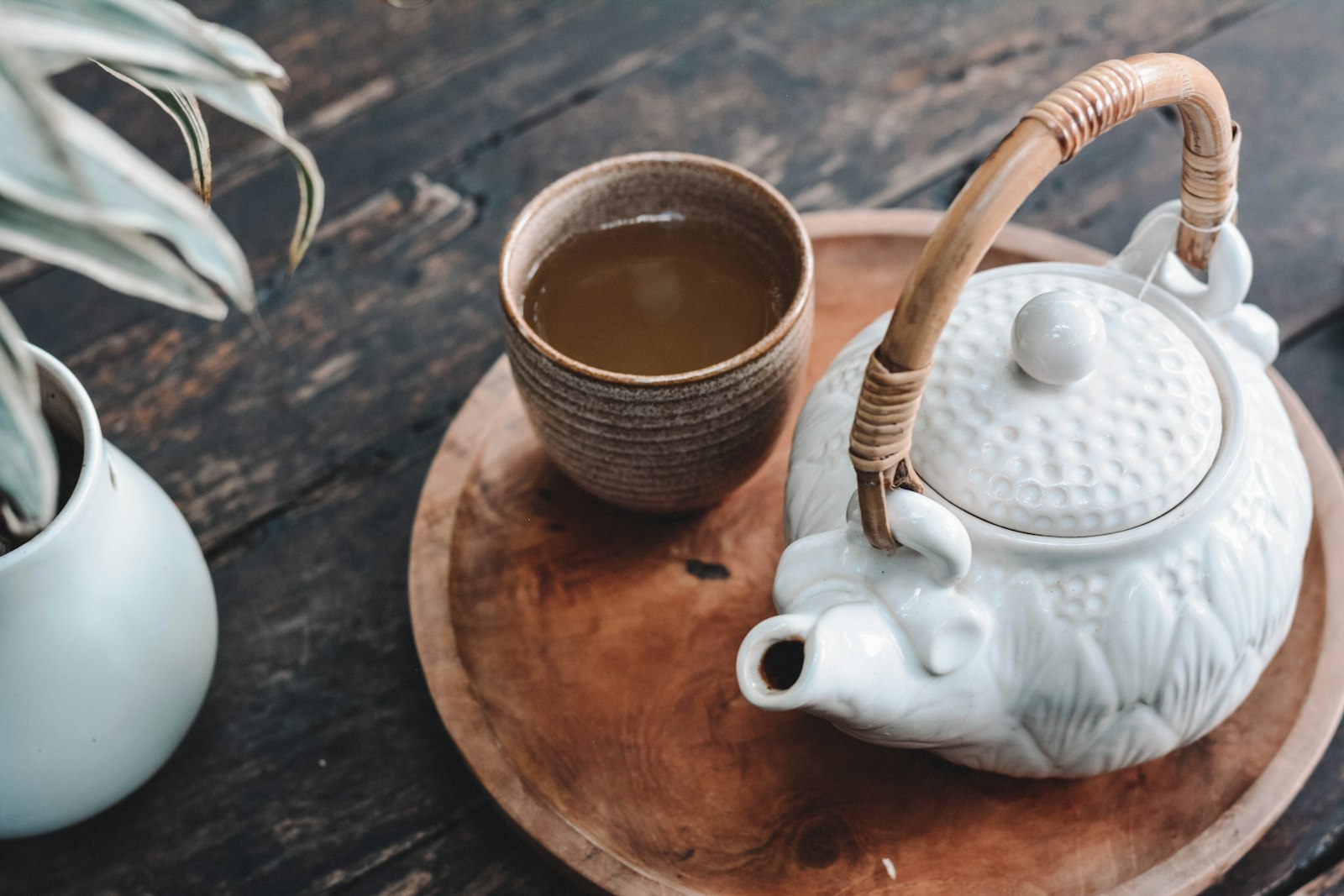
Passionflower Tea: Benefits, Research, and How to Use It for Sleep and Calm
Passionflower tea is made from the dried aerial parts of Passiflora incarnata, a climbing vine native to the southeastern United States and parts of Central and South America. It has been used in North American and European folk medicine for well over a century as a calming agent and sleep aid, and it has a more substantial clinical research base than most herbal teas that make similar claims. For athletes and active people dealing with sleep difficulty, pre-competition anxiety, or the general psychological load of training hard and managing a demanding life, passionflower is one of the more evidence-supported herbal options available.
This guide covers what passionflower contains, what the research actually shows, how it compares to other sleep and anxiety herbs, how to brew and dose it, and who should use caution before adding it to their routine.
What Passionflower Contains and How It Works
The primary bioactive compounds in passionflower are flavonoids, particularly chrysin, vitexin, and isovitexin, alongside alkaloids including harmane and harmine. These compounds interact with GABA receptors in the central nervous system in ways that produce sedative and anxiolytic effects. GABA is the primary inhibitory neurotransmitter in the brain; increasing GABAergic activity reduces neuronal excitation and produces the calming, relaxing effect associated with passionflower consumption.
Research indexed on PubMed includes human clinical trials specifically on passionflower for anxiety and sleep. A randomized controlled trial published in Phytotherapy Research compared passionflower to a low-dose oxazepam (a benzodiazepine) for generalized anxiety disorder and found comparable reductions in anxiety scores between the two groups, with passionflower producing less impairment of job performance. A separate study found that a single cup of passionflower tea improved sleep quality in adults with mild sleep disturbances compared to placebo.
Benefits Supported by Research
Sleep Quality Improvement
The most well-supported use of passionflower is for improving sleep quality rather than increasing total sleep time. Users typically report sleeping more deeply and waking feeling more rested rather than falling asleep faster. The distinction matters because sleep quality, particularly the proportion of slow-wave and REM sleep, is what drives the recovery and cognitive benefits of a night’s sleep. Many people get an adequate number of hours but in lighter, more fragmented sleep that does not fully restore the body.
For athletes whose recovery depends critically on sleep quality, passionflower tea consumed 30 to 60 minutes before bed represents a low-risk, evidence-backed addition to an evening wind-down routine. It does not produce the grogginess the next morning that pharmaceutical sleep aids often cause because its mechanism is a gentle modulation of GABA activity rather than the aggressive receptor binding of drugs like zolpidem.
Mild Anxiety and Stress Reduction
The GABAergic mechanism that produces passionflower’s sleep benefits also underlies its anti-anxiety effects. Multiple small clinical trials have shown reductions in pre-procedural anxiety in patients given passionflower extracts compared to placebo. The effect is described as reducing mental chatter and worry without producing significant sedation at typical doses.
For training contexts, this makes passionflower potentially useful on competition days or in the hours before high-stakes training sessions where performance anxiety is a factor. Stress hormones like cortisol are performance-relevant, and anything that moderates acute anxiety without impairing alertness or motor function is worth understanding. Passionflower at tea doses does not appear to significantly impair alertness, though individual responses vary.
How to Brew Passionflower Tea
Use one to two teaspoons of dried passionflower herb per cup of hot water just below boiling. Steep covered for 10 to 15 minutes to extract the active flavonoids adequately. A shorter steep produces a milder cup with less of the sedative effect. The flavor is mild, slightly earthy, and faintly floral. It is not unpleasant but is subtle enough that many people add a small amount of honey or pair it with chamomile or lemon balm for a more complex blend.
Passionflower combines well with valerian root, lemon balm, and chamomile in sleep-support blends because these herbs work through complementary but distinct mechanisms. Each contributes to the overall calming and sedative effect through different pathways, and their combined effect is often greater than any single herb alone. Pre-made sleep herbal tea blends containing passionflower are widely available at health food stores in the US and UK.
Dosage and Timing
For sleep support, one cup of passionflower tea consumed 30 to 60 minutes before bed is the standard approach used in clinical studies. Two cups can be used if a single cup produces insufficient effect, but exceeding this amount is not recommended for daily use. For acute anxiety before a specific event, a cup consumed one to two hours before the event is the most practical approach.
Passionflower’s effects are generally dose-dependent and develop over the 30 to 60 minutes following consumption. People who drink it immediately before lying down may not experience the full benefit before trying to sleep. Building the cup of tea into an evening routine that begins 45 to 60 minutes before your intended sleep time gives the active compounds time to reach effect levels in the bloodstream.
Safety, Side Effects, and Who Should Use Caution
Passionflower tea is considered safe for most healthy adults at typical consumption amounts of one to two cups per day. The most common side effects at higher doses include drowsiness, dizziness, and confusion, which resolve when consumption is reduced. Pregnant women should avoid passionflower because some alkaloids in the plant have historically been associated with uterine stimulation. People taking sedative medications, anti-anxiety drugs, or sleep aids should consult their doctor before adding passionflower because the additive sedative effect could cause excessive drowsiness or other interactions.
People taking MAO inhibitors should specifically avoid passionflower because the harmine and harmane alkaloids it contains are MAO-inhibiting compounds themselves, and combining two MAO-inhibiting agents can produce serious adverse effects. For healthy adults not on these medications, passionflower at tea doses has a well-established safety record across centuries of traditional use in both North American and European herbal medicine traditions.
Where to Buy Quality Passionflower
Dried passionflower is available at natural food stores, herbalists, and online from bulk herb retailers throughout the US and UK. Look for the aerial parts of Passiflora incarnata specifically, as other Passiflora species have different alkaloid profiles and are not interchangeable for therapeutic use. Organic dried passionflower from reputable herb suppliers is the most reliable source of consistent quality.
Pre-made tea bags containing passionflower are widely available but often contain lower-grade material at reduced concentrations. For the best result, loose-leaf dried herb brewed at the recommended ratio produces a more potent cup than most commercial tea bags. Passionflower grows well in USDA zones 6 and above, making it a viable garden plant for home growing across much of the eastern and central US. Just as quality gear matters in training, quality sourcing matters in herbal medicine. The hip circle bands and wrist wraps at Genghis Fitness are built to the same standard of purposeful quality.
FINAL WORDS
Passionflower tea is one of the better-researched herbal options for sleep quality improvement and mild anxiety reduction, with clinical trial data supporting both applications. The GABAergic mechanism is well-understood, the safety profile for healthy adults is solid, and the practical use is as simple as a cup of tea 45 minutes before bed. Add it to your recovery toolkit alongside consistent sleep timing, controlled evening light exposure, and the kind of hard training that gives your body a genuine reason to sleep deeply.
Certified strength and conditioning specialists with over 10 years of combined experience in powerlifting, nutrition coaching, and evidence-based fitness content. Based in New York City, the Genghis Fitness team tests every protocol in the gym before writing about it.