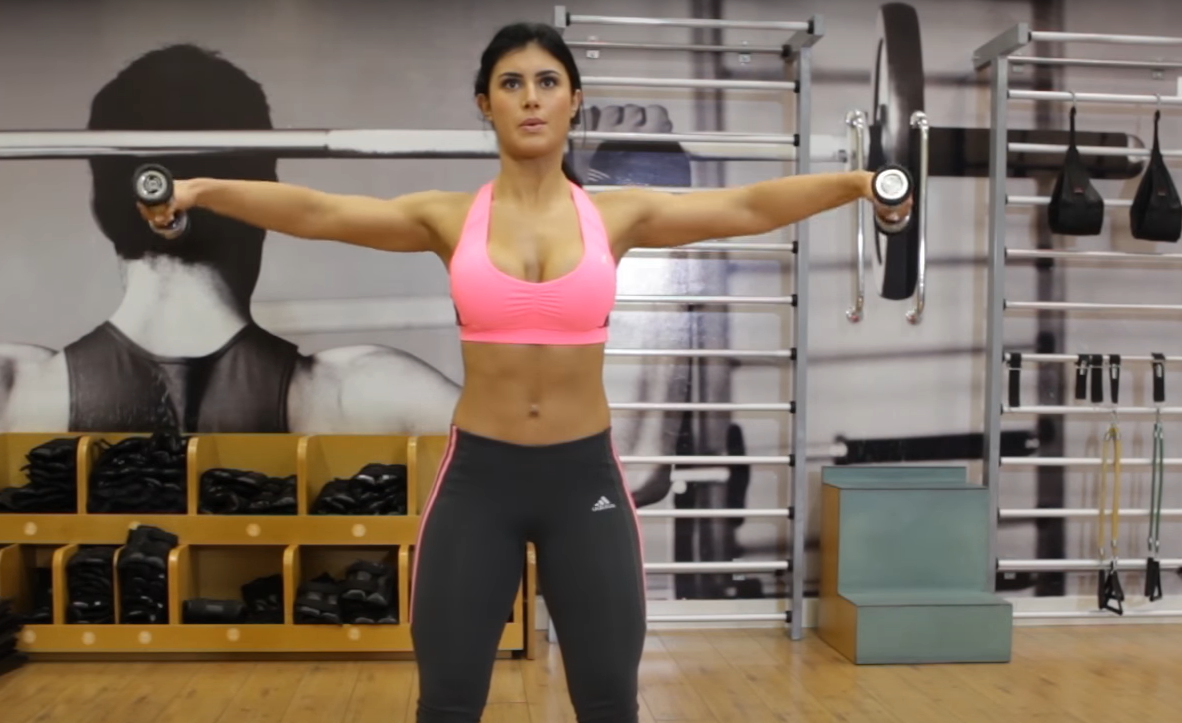
REVERSE FLY: BUILD REAR DELTOIDS, IMPROVE POSTURE, AND PROTECT YOUR SHOULDERS FROM PRESSING INJURIES
What the Reverse Fly Trains and Why Every Pressing Athlete Needs It
The reverse fly trains the rear deltoid, rhomboids, and middle trapezius through a horizontal shoulder abduction movement: starting with the arms extended in front of the body and sweeping them outward and backward in a controlled arc. These muscles are the primary antagonists of the chest and anterior shoulder muscles developed through heavy pressing, and their weakness relative to the pressing muscles is the root cause of the rounded-forward shoulder posture and rotator cuff impingement that develops in athletes who prioritize pressing without balancing it with pulling and posterior shoulder work. Research published in the Journal of Athletic Training identified posterior shoulder weakness as a primary risk factor for rotator cuff impingement in overhead athletes. The reverse fly is one of the most direct and effective exercises for building the posterior shoulder strength that prevents this outcome. Use wrist wraps on heavy pressing sessions that precede or follow reverse fly work to maintain complete shoulder and wrist support through the full training volume.
How to Perform the Reverse Fly
Dumbbell Reverse Fly
Hinge forward at the hips to approximately 45 degrees with a dumbbell in each hand, arms hanging straight down from the shoulders. Raise both arms simultaneously out to the sides and slightly backward in an arc, leading with the elbows rather than the hands. At the top position, the arms should be approximately parallel to the floor with the elbows slightly higher than the wrists. Squeeze the shoulder blades together at the peak contraction for one second. Lower slowly over two to three seconds. Use a weight where 12 to 20 reps are achievable with strict form. The rear deltoid is a relatively small muscle that responds better to controlled moderate-load training than to heavy momentum-driven reps.
Cable Reverse Fly
Set two cables at face height and cross the handles, gripping the left cable handle with the right hand and the right cable handle with the left hand. Stand in the center and sweep the arms outward to the sides in the same arc as the dumbbell version. The cable provides constant tension from the starting position through the full arc, unlike dumbbells which provide near-zero resistance at the starting position. This constant-tension profile makes cable reverse flyes particularly effective for the stretched position of the rear deltoid at the beginning of each rep. The cable attachment setup allows precise tension adjustment through the weight stack.
Machine Rear Delt Fly
Most commercial gyms have a pec deck or rear delt fly machine that can be set up for reverse fly work. Facing the machine with the arms extended forward and gripping the handles, sweep the arms backward. The machine provides a fixed movement path that ensures correct arc direction and allows higher loads than dumbbell alternatives for athletes who need more loading than light dumbbells provide for adequate stimulus.
Correct Technique: The Details That Matter
Elbow Position
The most common reverse fly error is bending the elbows excessively, which shifts the loading from the rear deltoid to the rhomboids and middle traps. While these muscles also benefit from training, the rear deltoid receives maximum stimulus when the arms remain relatively straight with only a slight elbow bend of 10 to 15 degrees throughout the movement. Think about leading with the elbows rather than the hands, and keep the elbow bent consistently at the same angle throughout the entire arc.
Avoiding Trap Dominance
A second common error is elevating the shoulders and upper traps during the movement, which shifts the work from the rear deltoid to the upper trapezius. Focus on keeping the shoulder blades depressed (pulled down away from the ears) throughout the movement. Pressing the shoulders down actively before initiating each rep helps establish this position. The upper traps should be relaxed and the movement should come from horizontal arm abduction rather than shoulder elevation.
Programming Reverse Flyes for Shoulder Health
Three sets of 15 to 20 reps of reverse flyes after every upper body training session, whether push or pull focused, provides the posterior shoulder volume needed to balance the anterior loading of pressing and to develop the rear deltoid and upper back muscles that improve posture and protect the rotator cuff. The rear deltoid recovers quickly and tolerates high training frequency. Daily reverse fly practice at low load is supported by the research on corrective exercise and produces measurable improvements in shoulder posture and function within four to six weeks of consistent training. Pair reverse flyes with elbow sleeves on high-volume pressing days where shoulder and elbow joint health requires additional support through the session.
Reverse flyes and face pulls serve complementary roles in posterior shoulder development. Face pulls emphasize the external rotators and upper traps through a pulling-toward-face motion. Reverse flyes emphasize the rear deltoid and rhomboids through the horizontal abduction arc. Including both in a weekly program produces more comprehensive posterior shoulder development than either alone. Two to three sets of each, three to four times per week, is a sustainable posterior shoulder training volume that produces meaningful correction of the anterior-posterior shoulder imbalance that heavy pressing creates over time.
Building a Balanced Upper Body: How the Reverse Fly Fits Into the Complete Picture
Upper body balance requires that the muscles responsible for pulling and posterior shoulder actions are developed proportionally to the muscles responsible for pressing and anterior shoulder actions. The most common imbalance in gym athletes is significantly stronger chest and anterior deltoids relative to the rear deltoids, rhomboids, and external rotators. This imbalance manifests as forward-rounded shoulders at rest, difficulty maintaining scapular retraction during rows and pulls, and eventual anterior shoulder impingement during overhead movements. The reverse fly is one of the primary corrective tools for addressing this imbalance because it directly and specifically trains the rear deltoid and rhomboids that are chronically underdeveloped in pressing-dominant athletes.
A balanced upper body training week should include at least as many sets of pulling and posterior shoulder work as pressing work, ideally more during periods where shoulder imbalance is being corrected. For every push day that includes four pressing exercises, the pull day should include four pulling exercises with a rear deltoid and external rotator emphasis. The reverse fly and face pull performed at every upper body session, push or pull, provide the corrective posterior shoulder volume that cannot be accumulated through pull days alone given the high pressing volume of push days. Athletes who commit to this balanced approach consistently report better shoulder health, improved posture, and reduced upper trap tension within four to six weeks, which translates into both physical comfort and better pressing performance as the shoulder functions as a more stable and balanced joint. Pair all upper body training with wrist wraps for joint protection on pressing days and elbow sleeves for elbow support during high-volume sessions.
FINAL WORDS
The reverse fly is the exercise that prevents the shoulder injuries that heavy pressing creates when the posterior shoulder is not proportionally developed alongside the anterior. Three sets after every upper body session costs five minutes and produces the rear deltoid and rhomboid strength that keeps the shoulder joint healthy across years of heavy pressing. Add it to your program today, maintain strict technique with controlled moderate loads, and protect the shoulder joint through your heavy pressing sessions with wrist wraps and elbow sleeves.
Certified strength and conditioning specialists with over 10 years of experience in powerlifting, nutrition, and evidence-based fitness content. Based in New York City.