
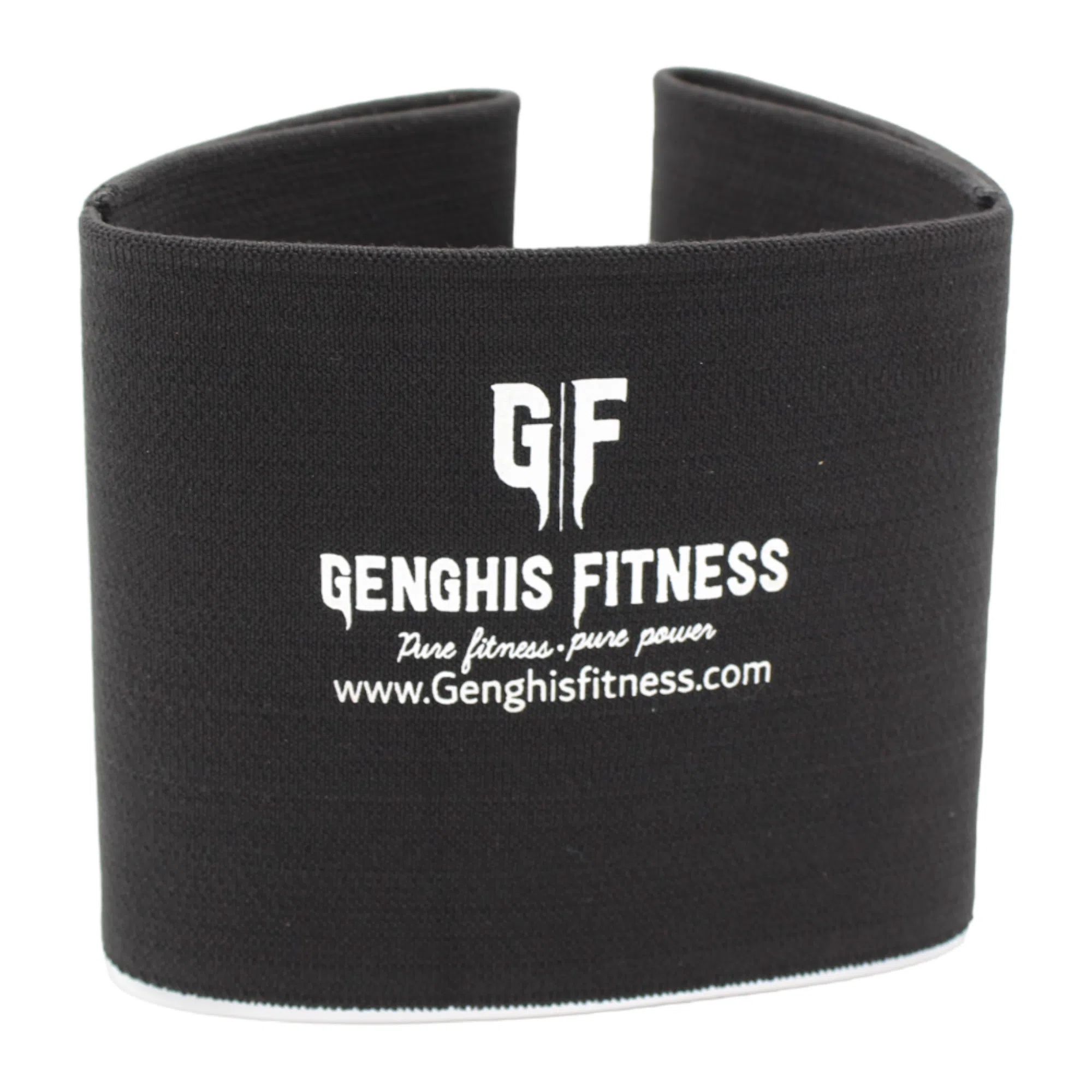
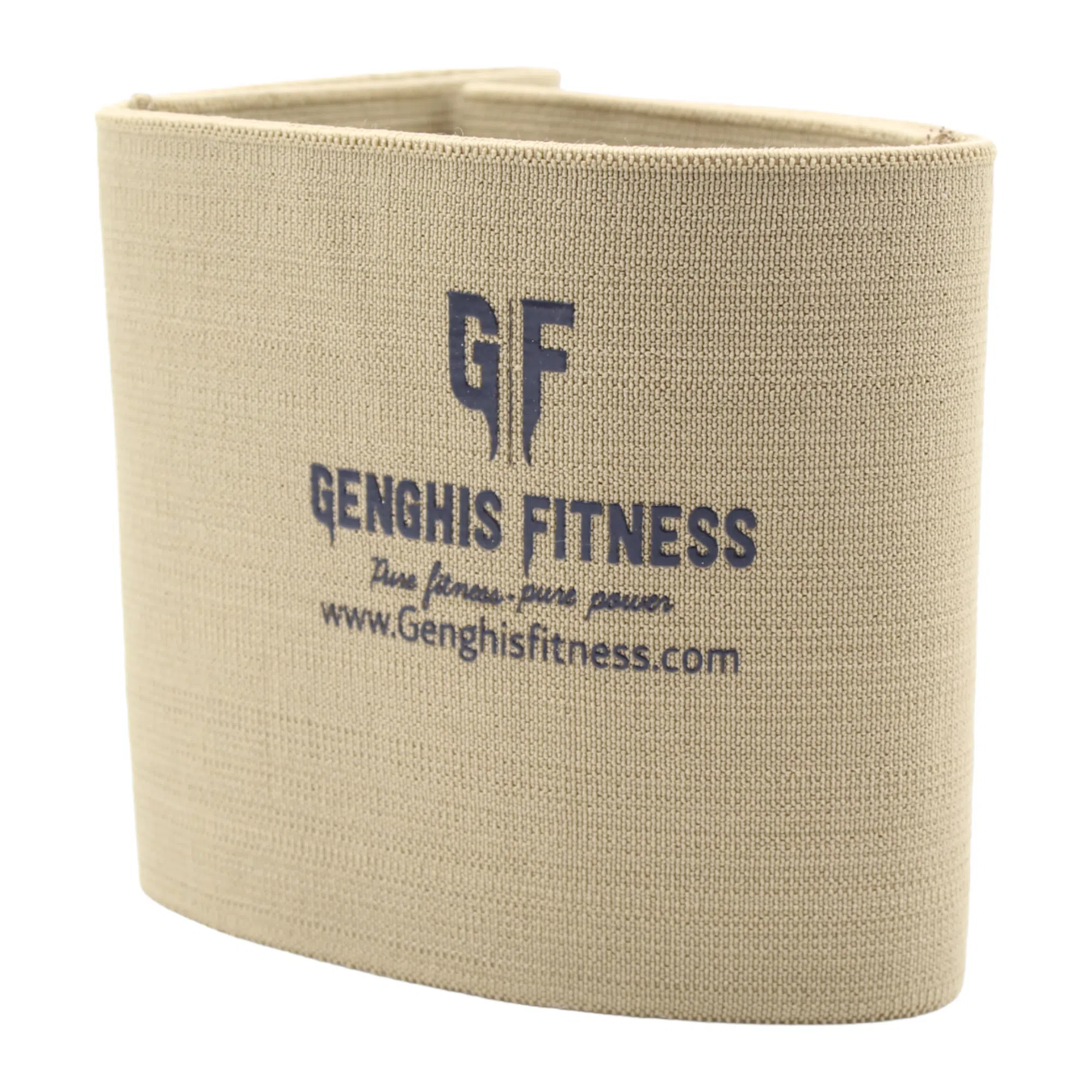
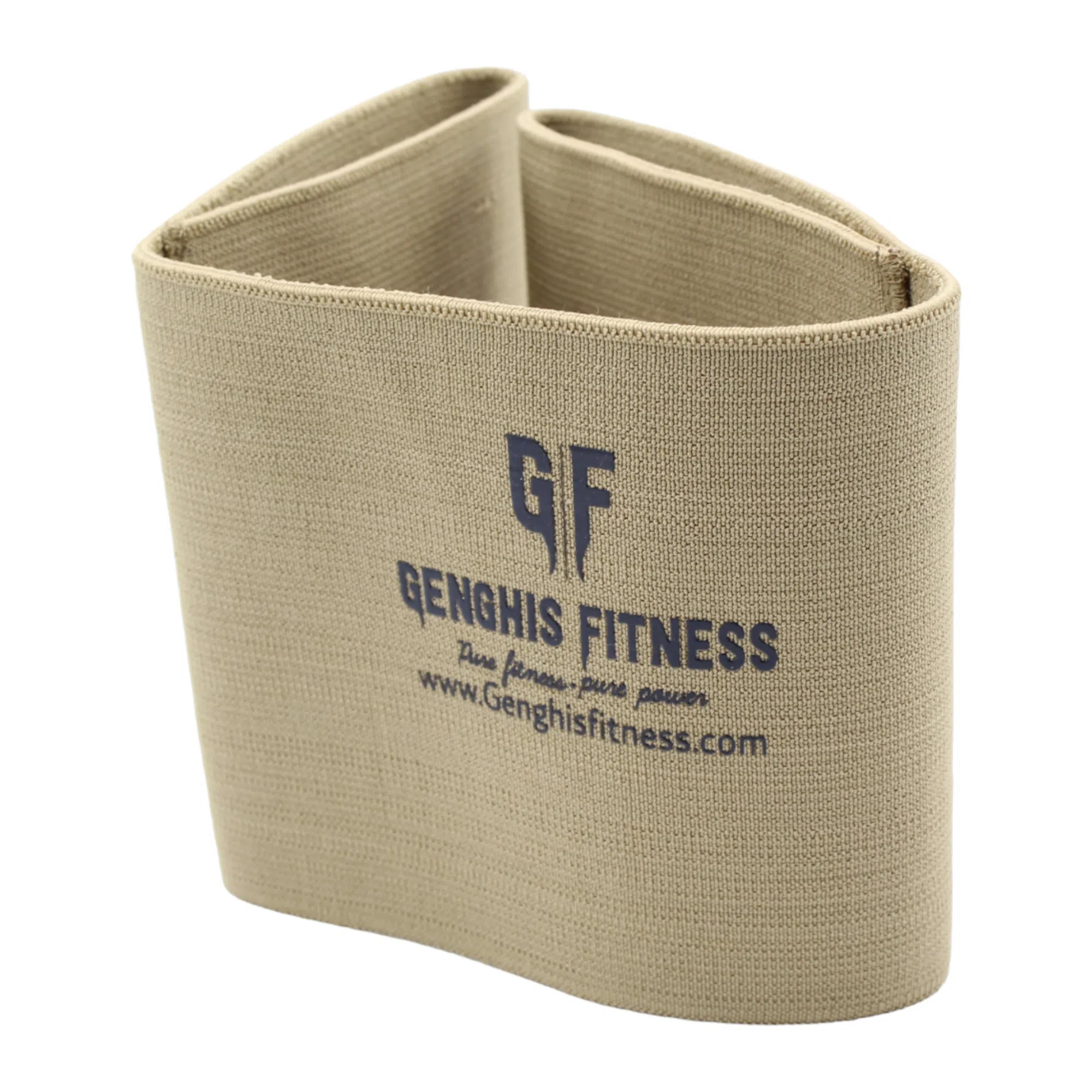
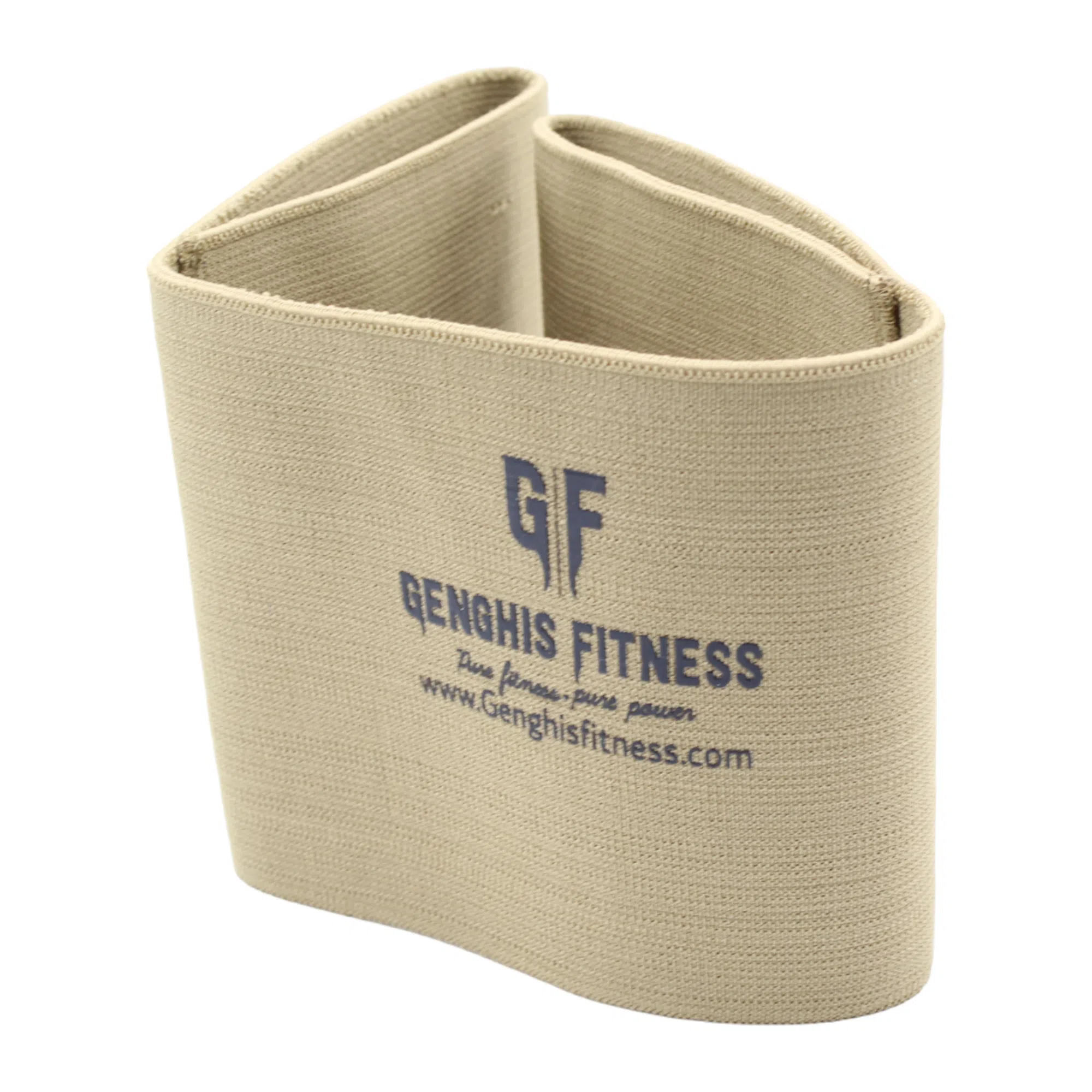
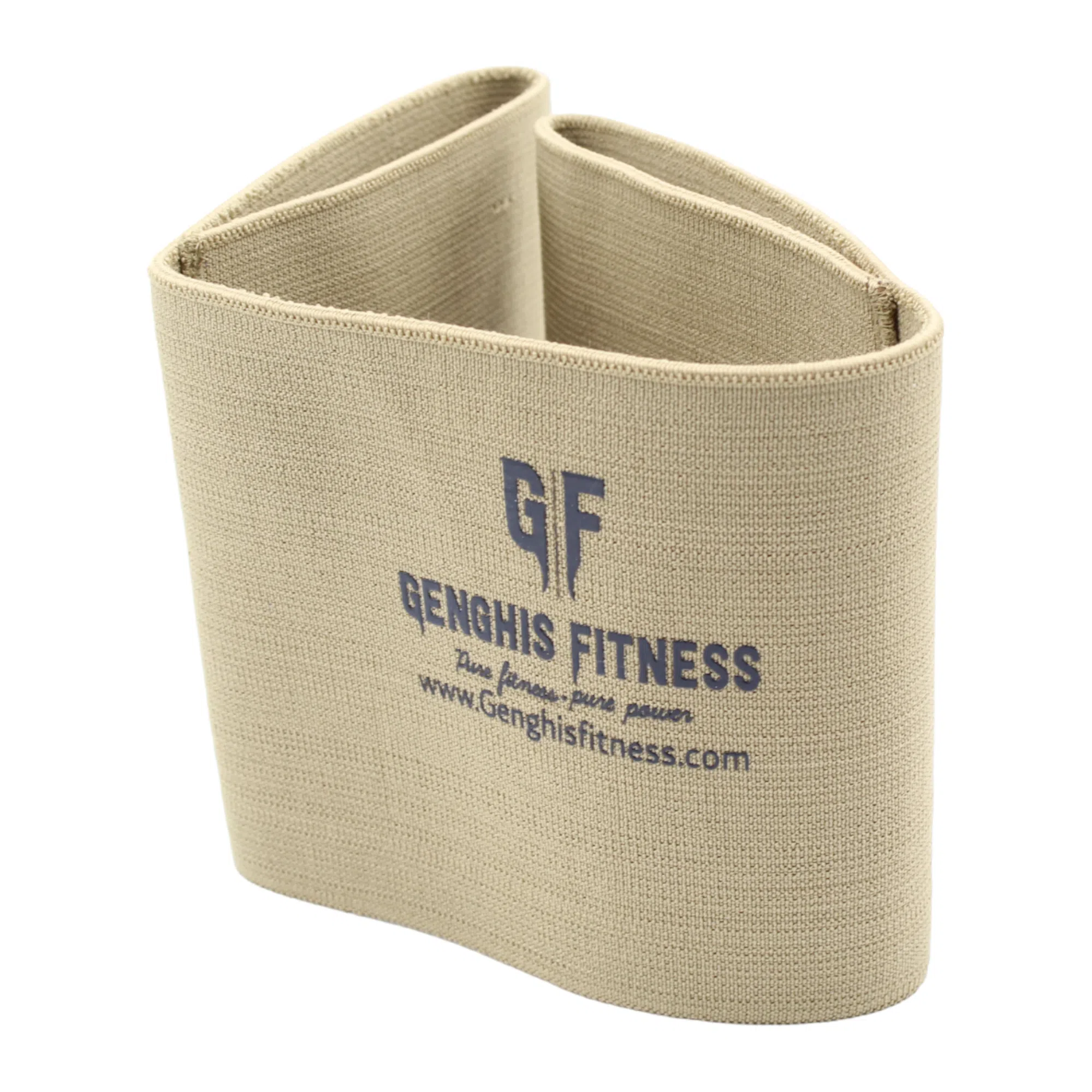
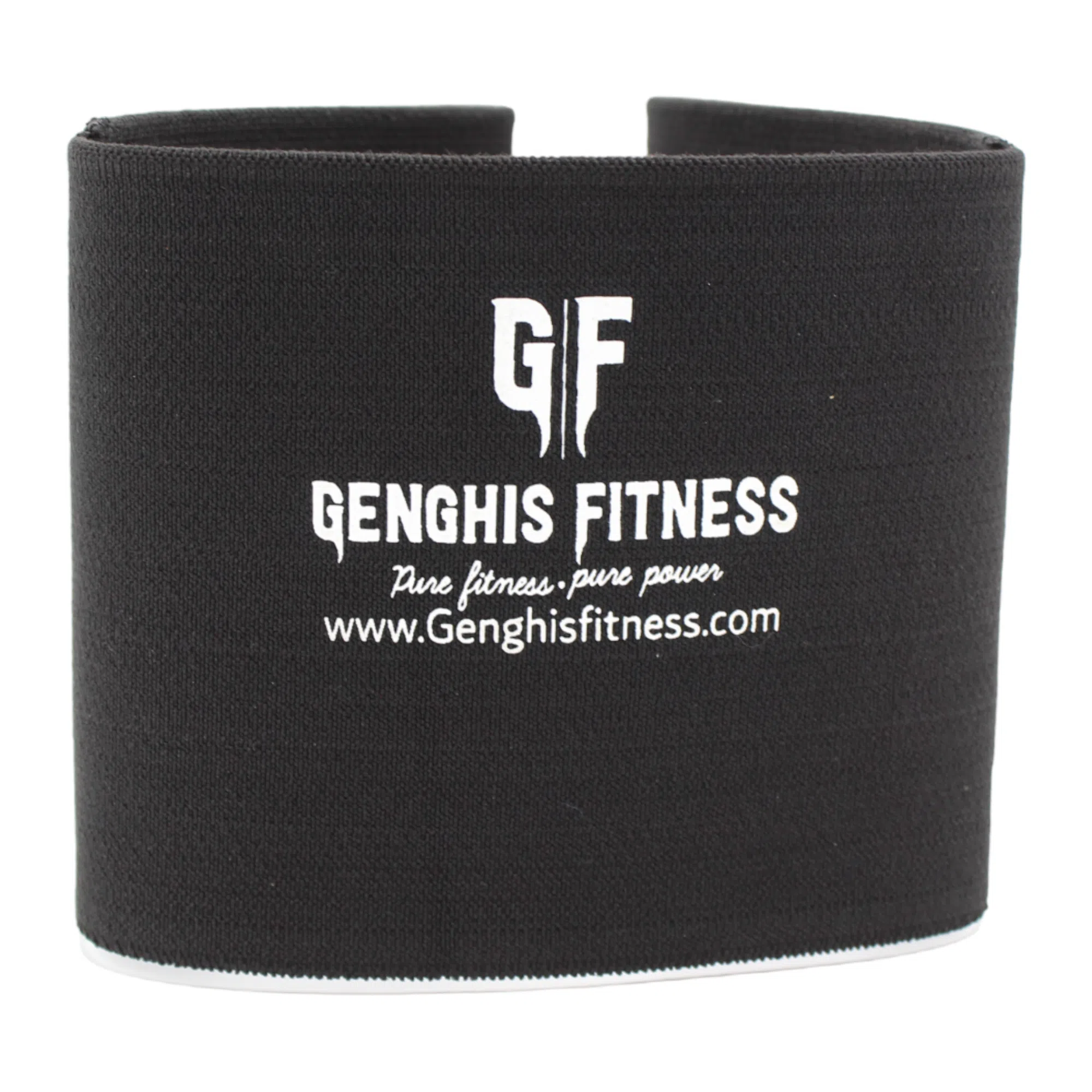
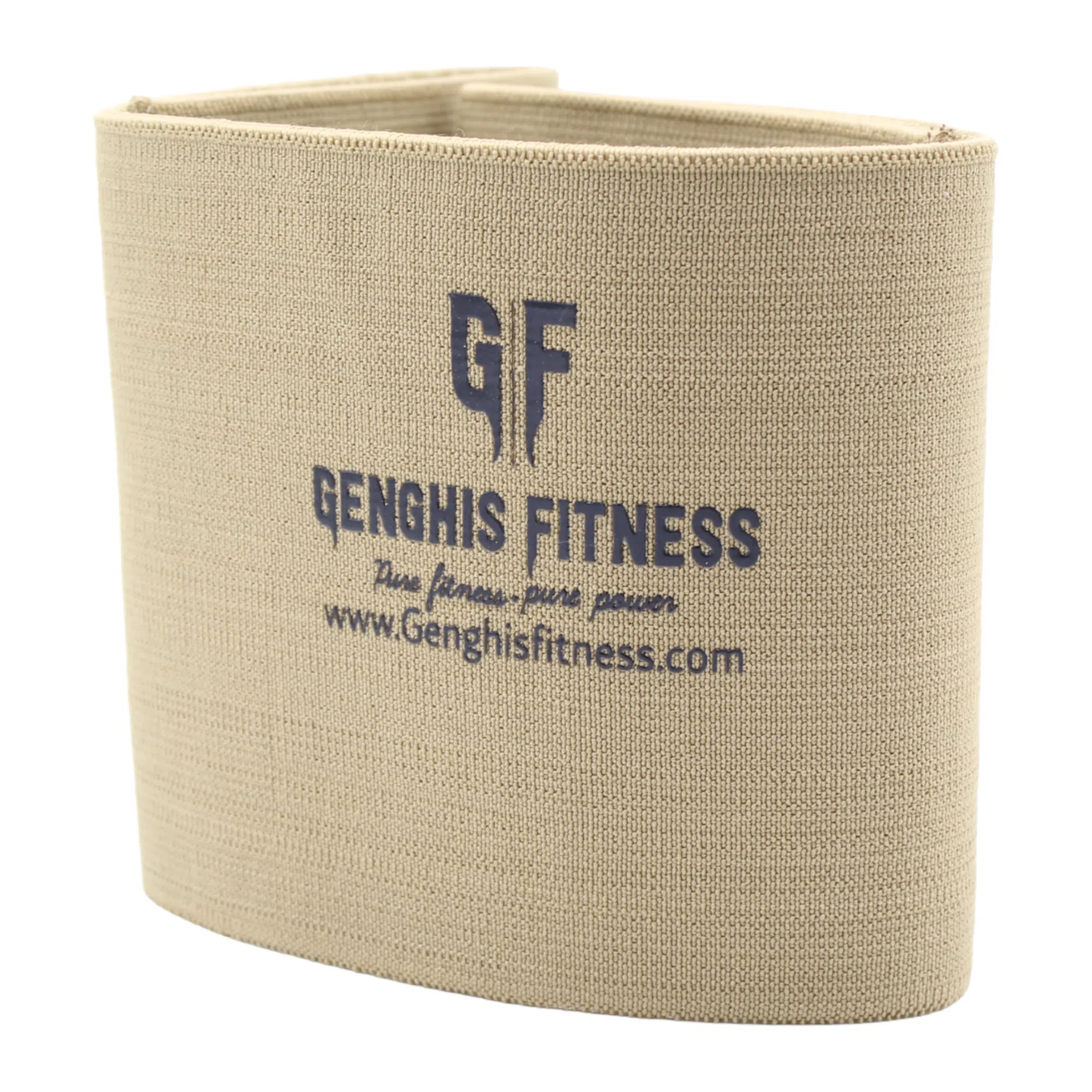
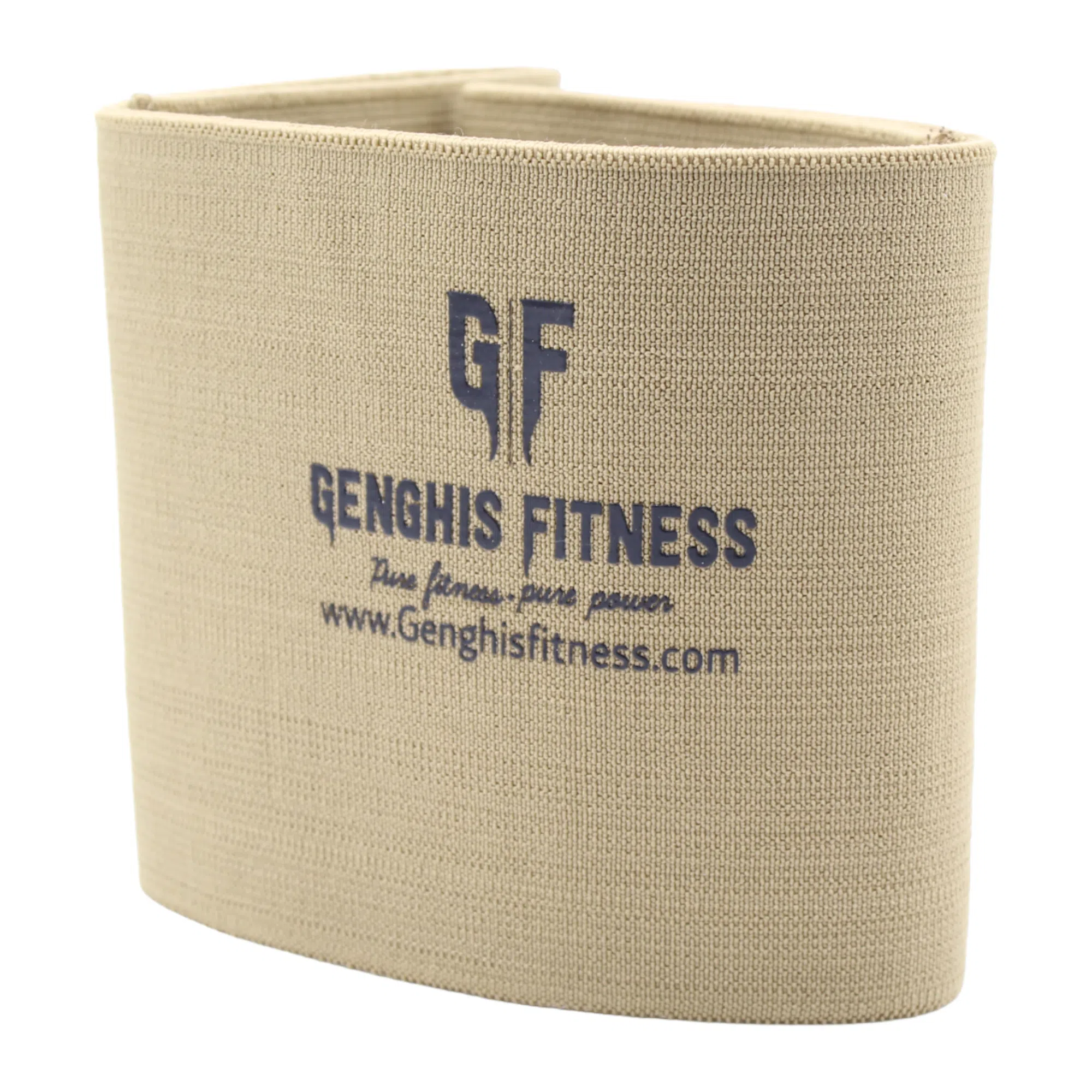
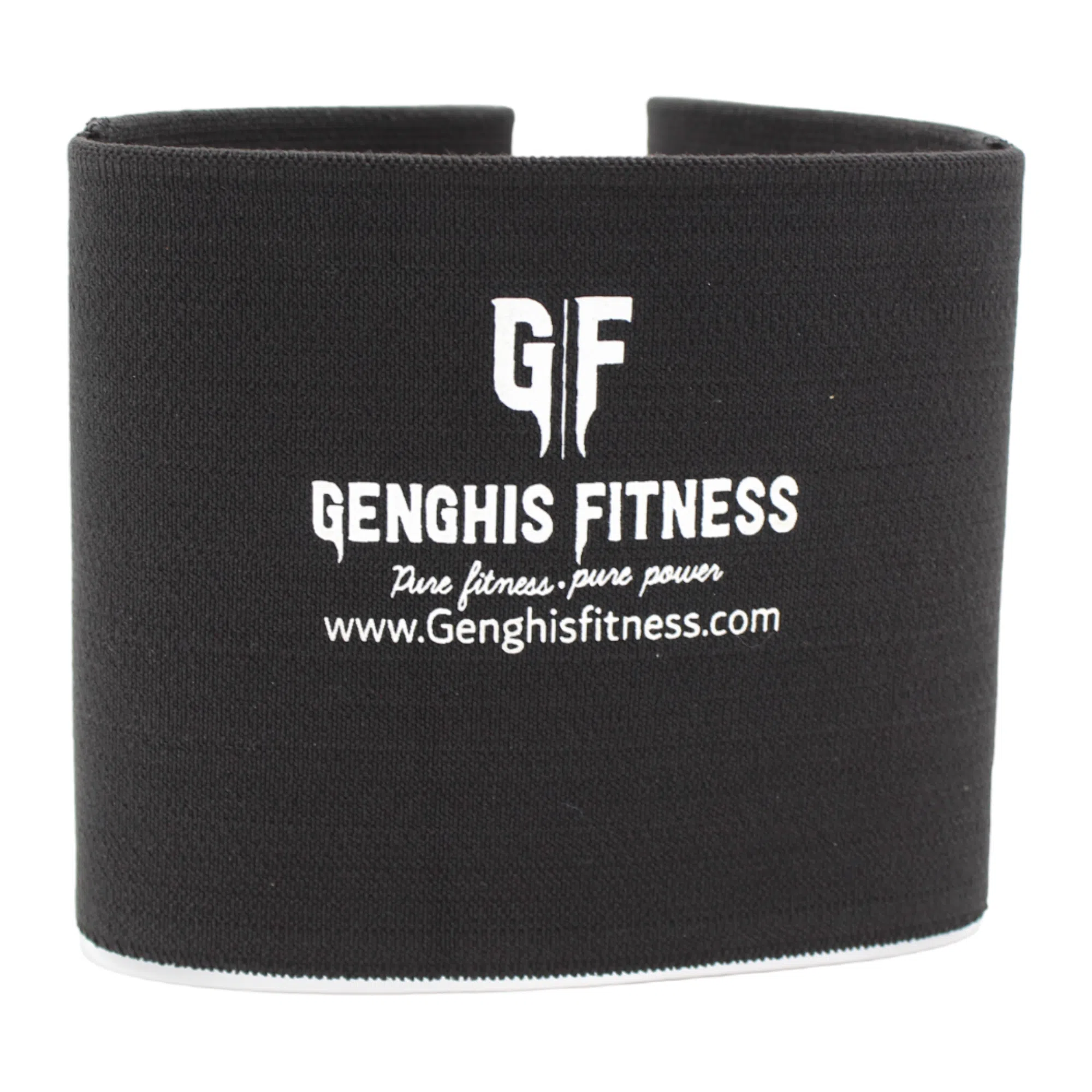
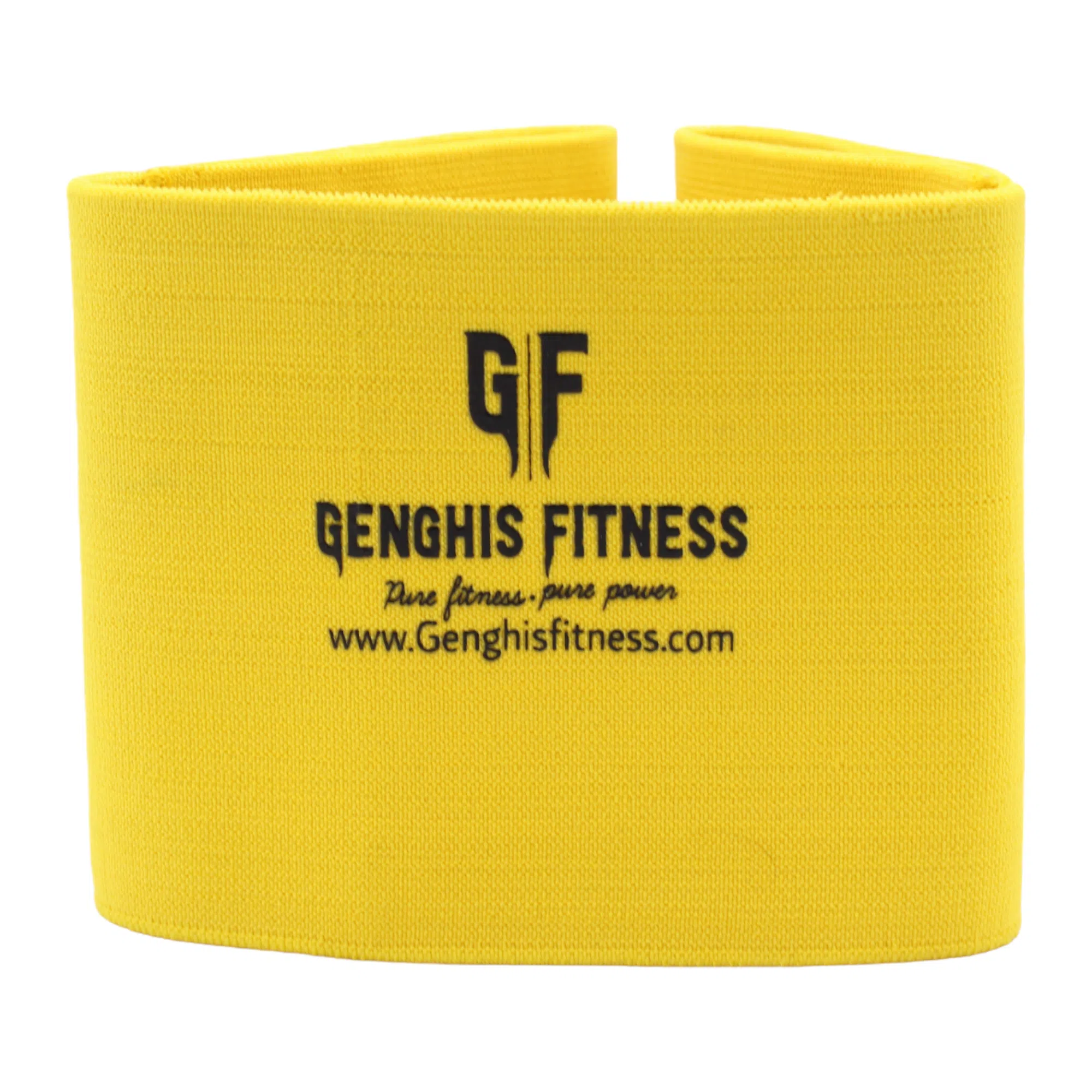
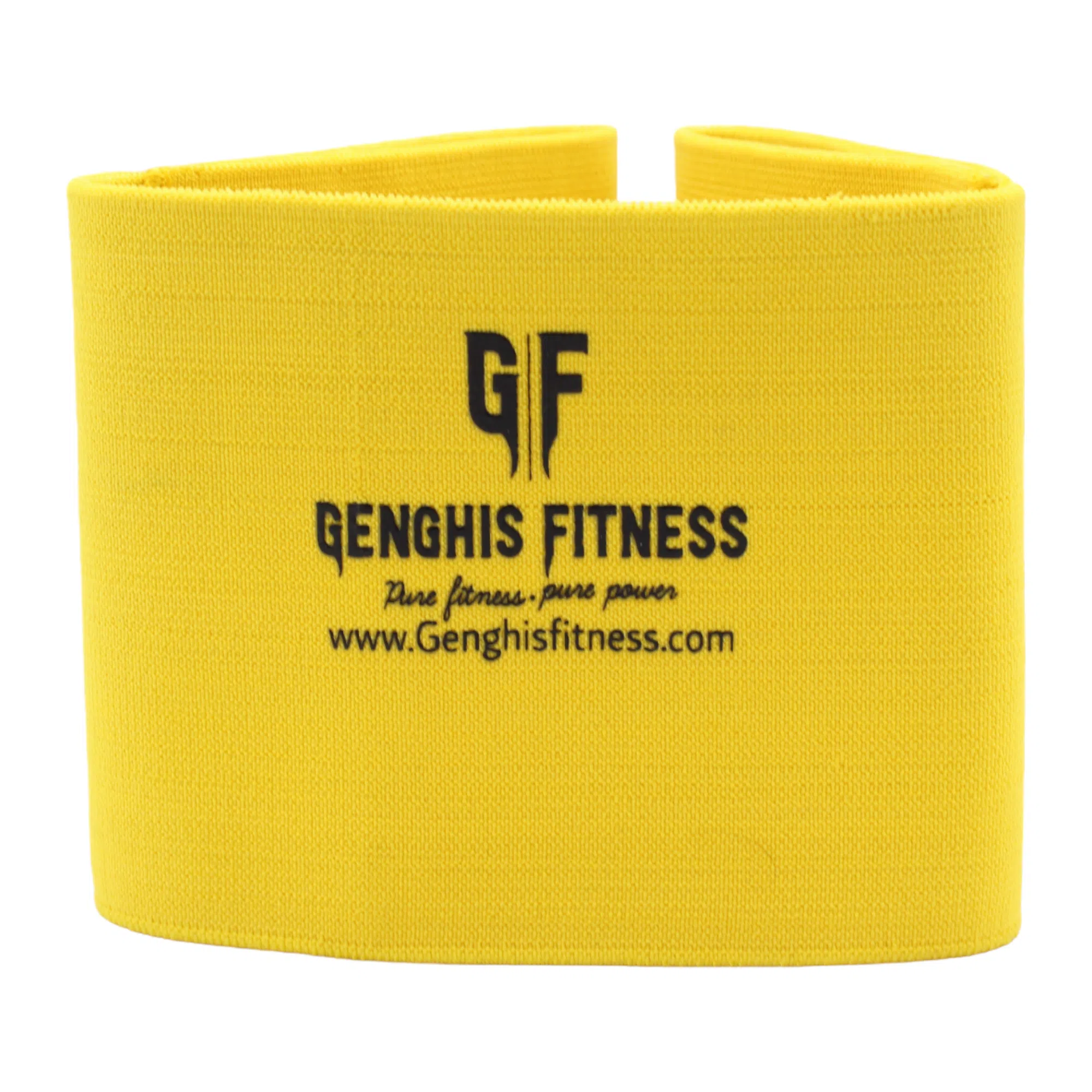


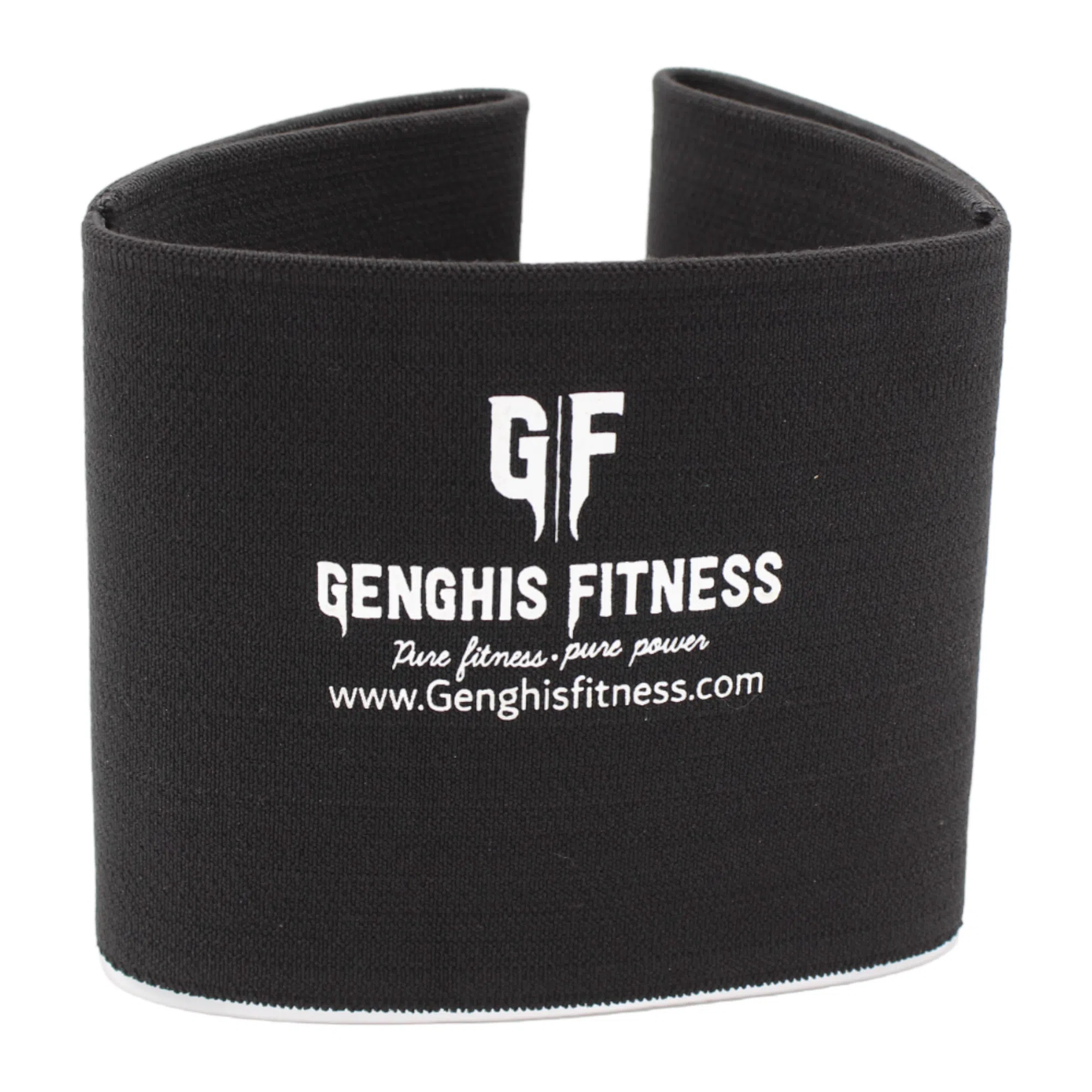
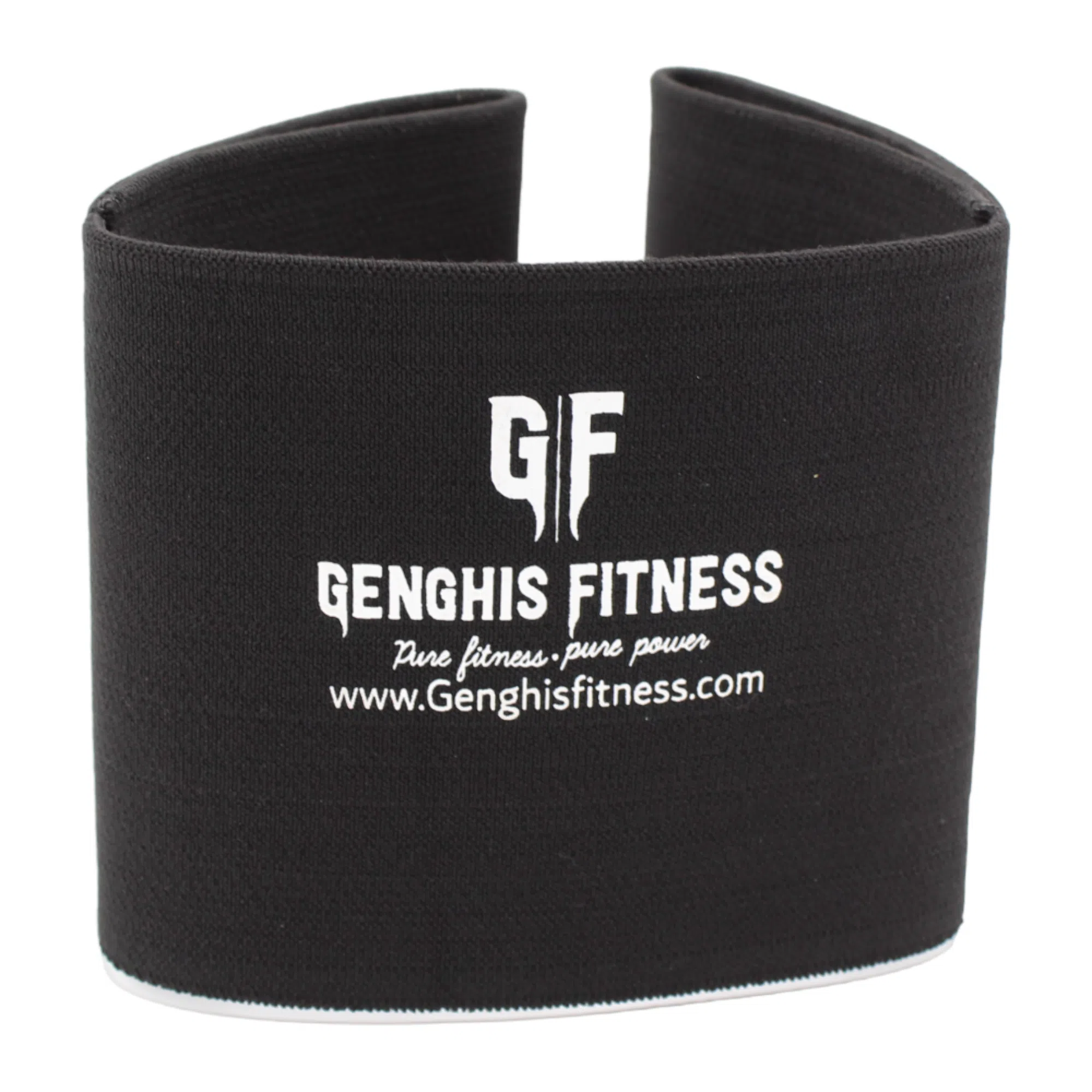


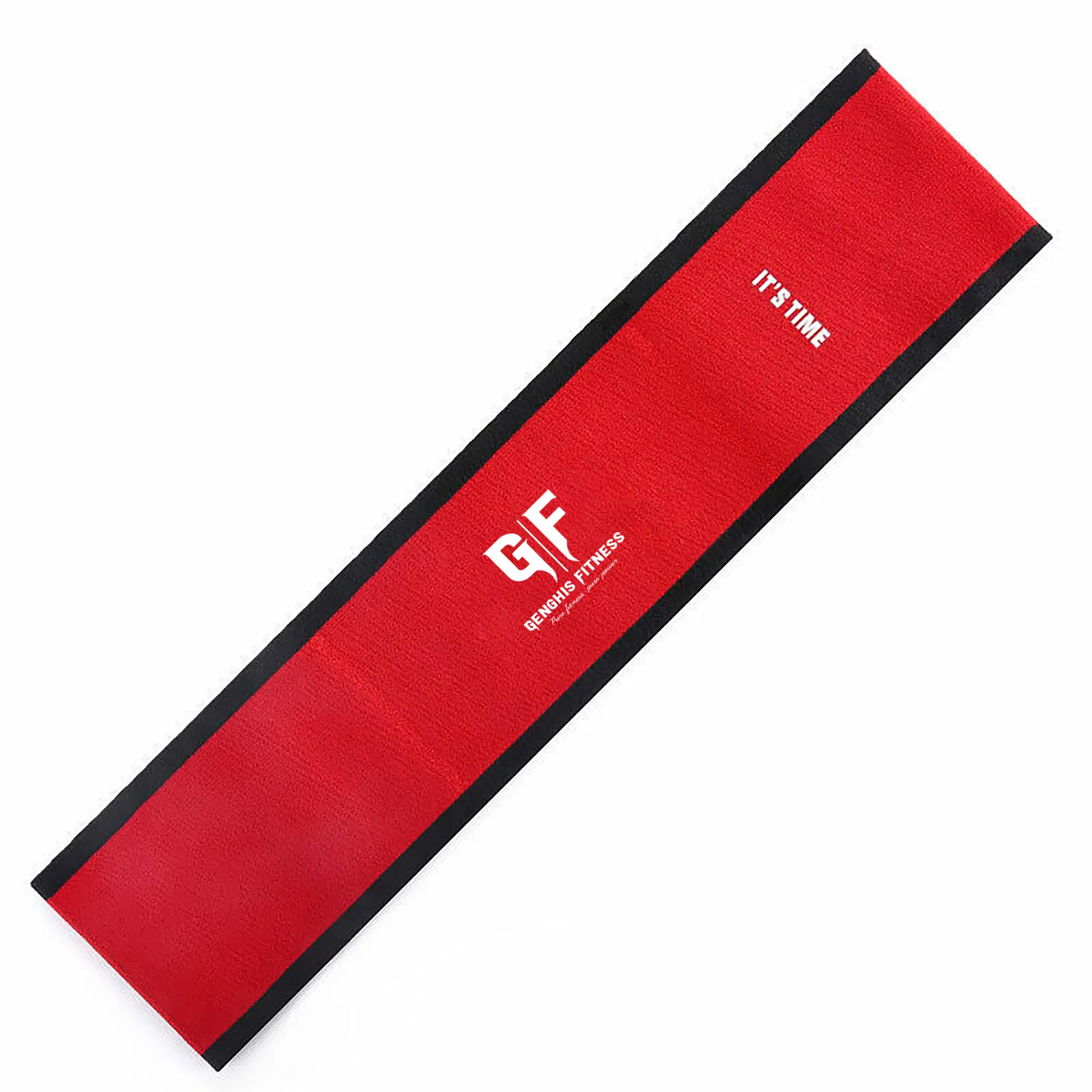
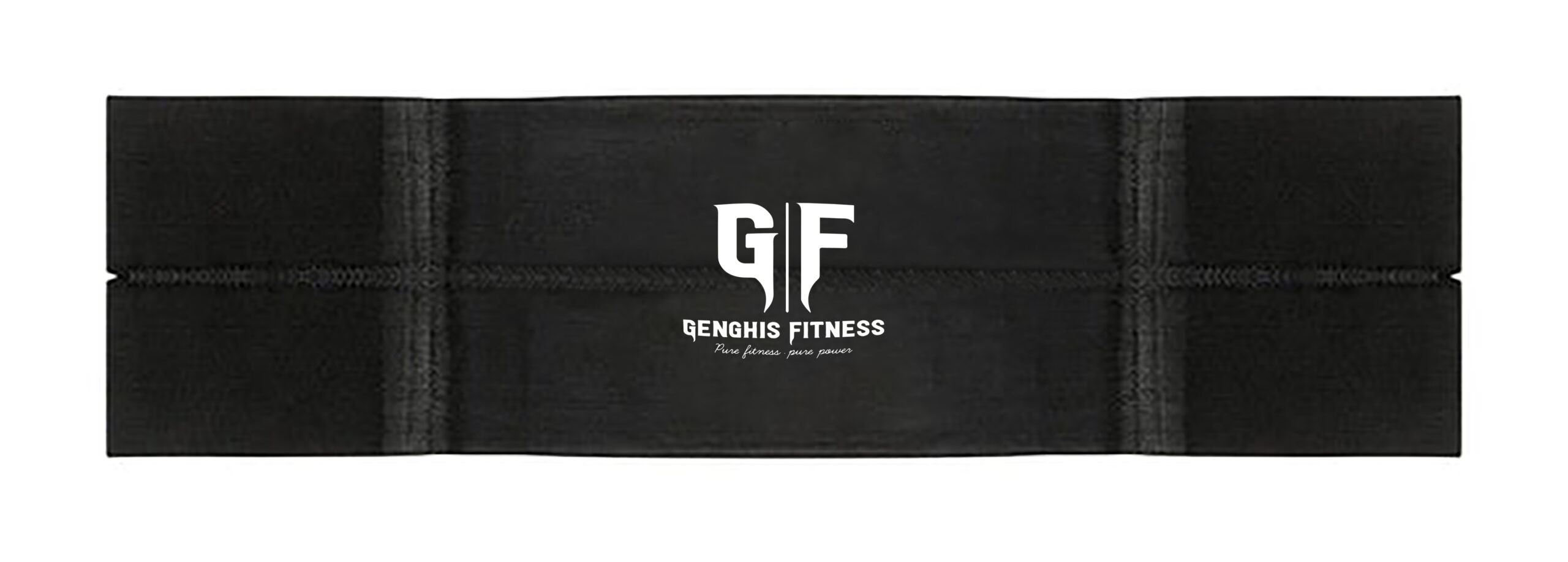
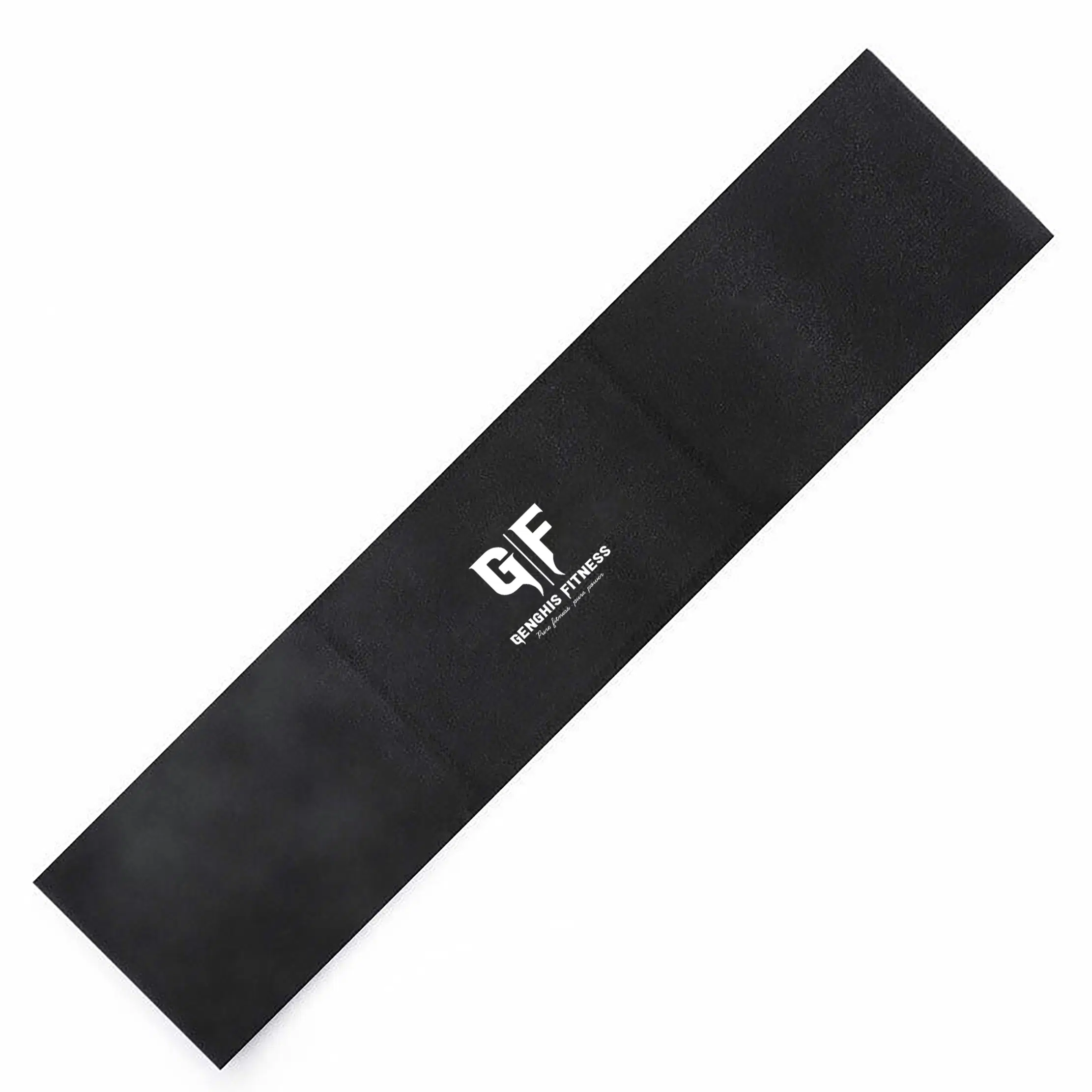
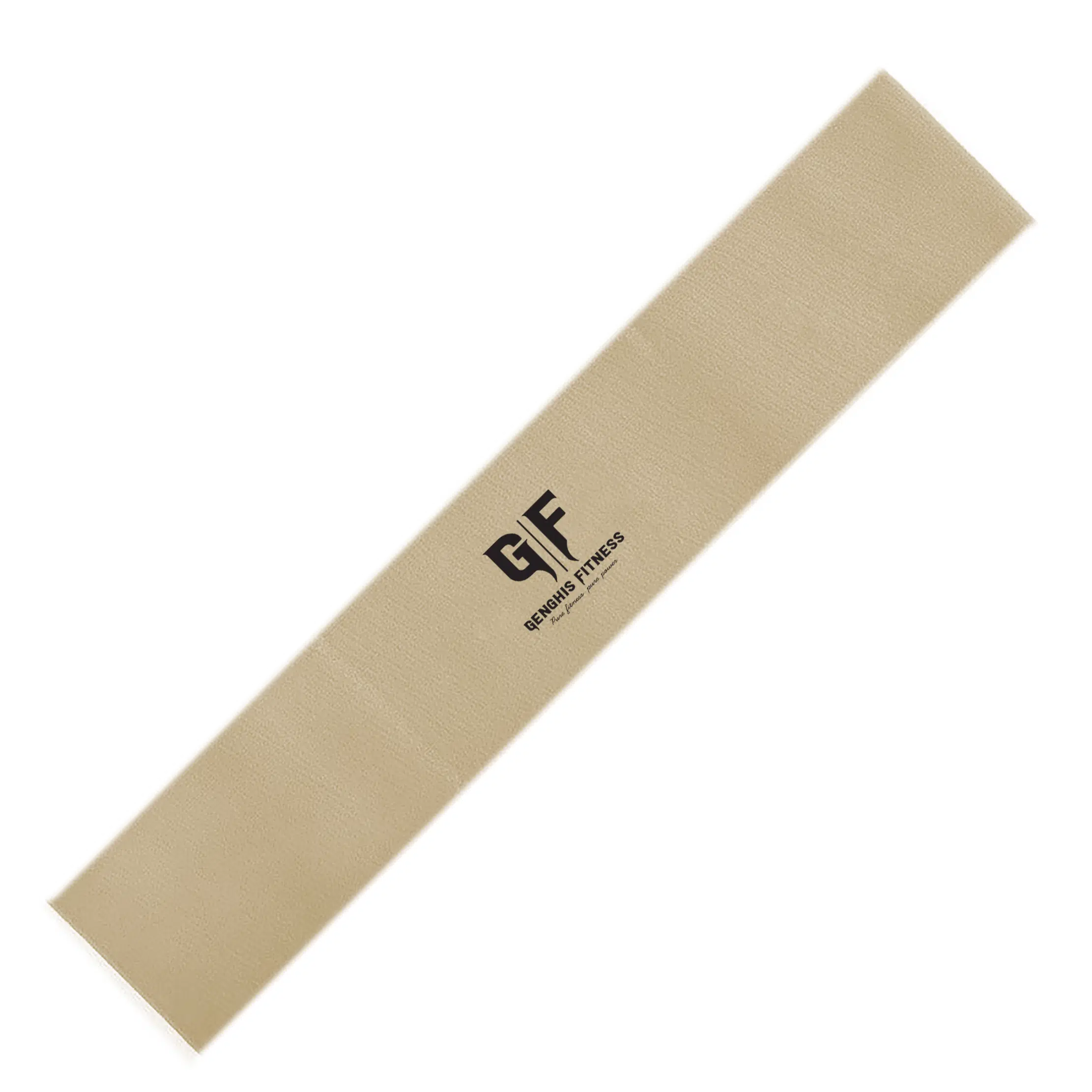
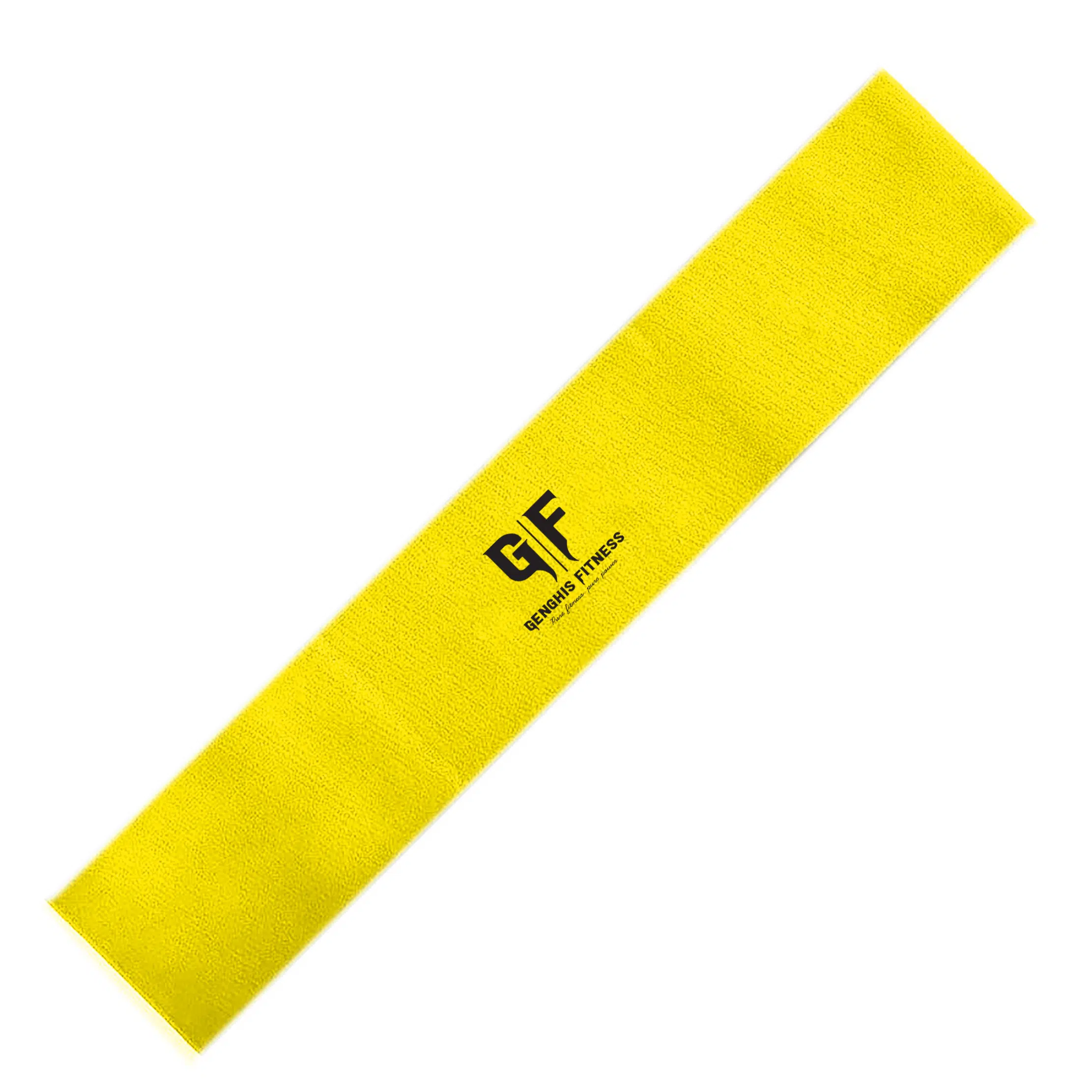
Bench Blaster Sling | Bench Press Overload Tool
$35.00
An elastic bench press sling that allows you to press 5 to 15 percent above your current raw maximum. Overloads the sticking point for nervous system adaptation. Use for 4 to 6 week blocks to break bench plateaus. For intermediate and advanced pressers.
Description
The Bench Blaster Sling That Breaks Your Bench Press Plateau
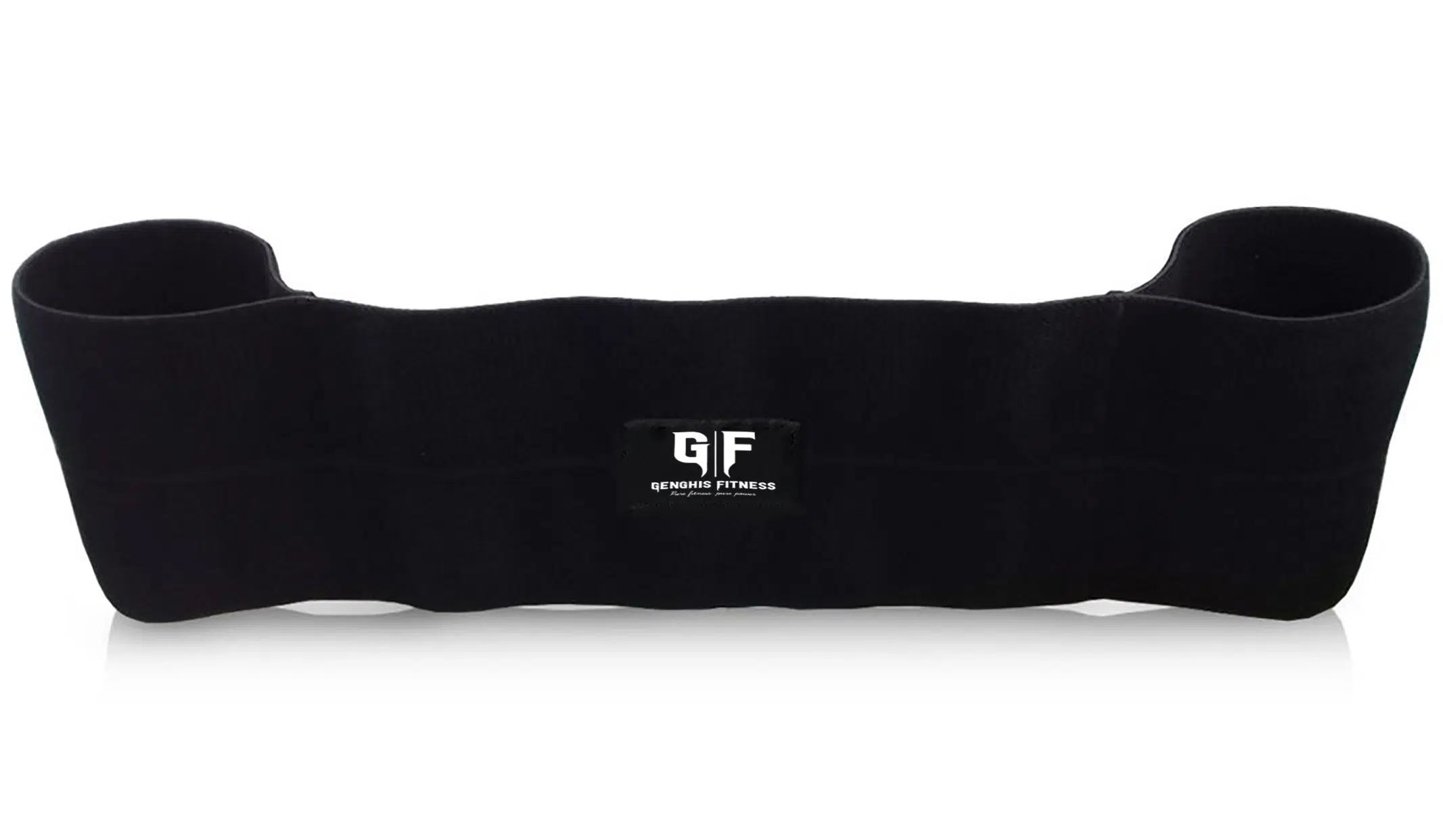
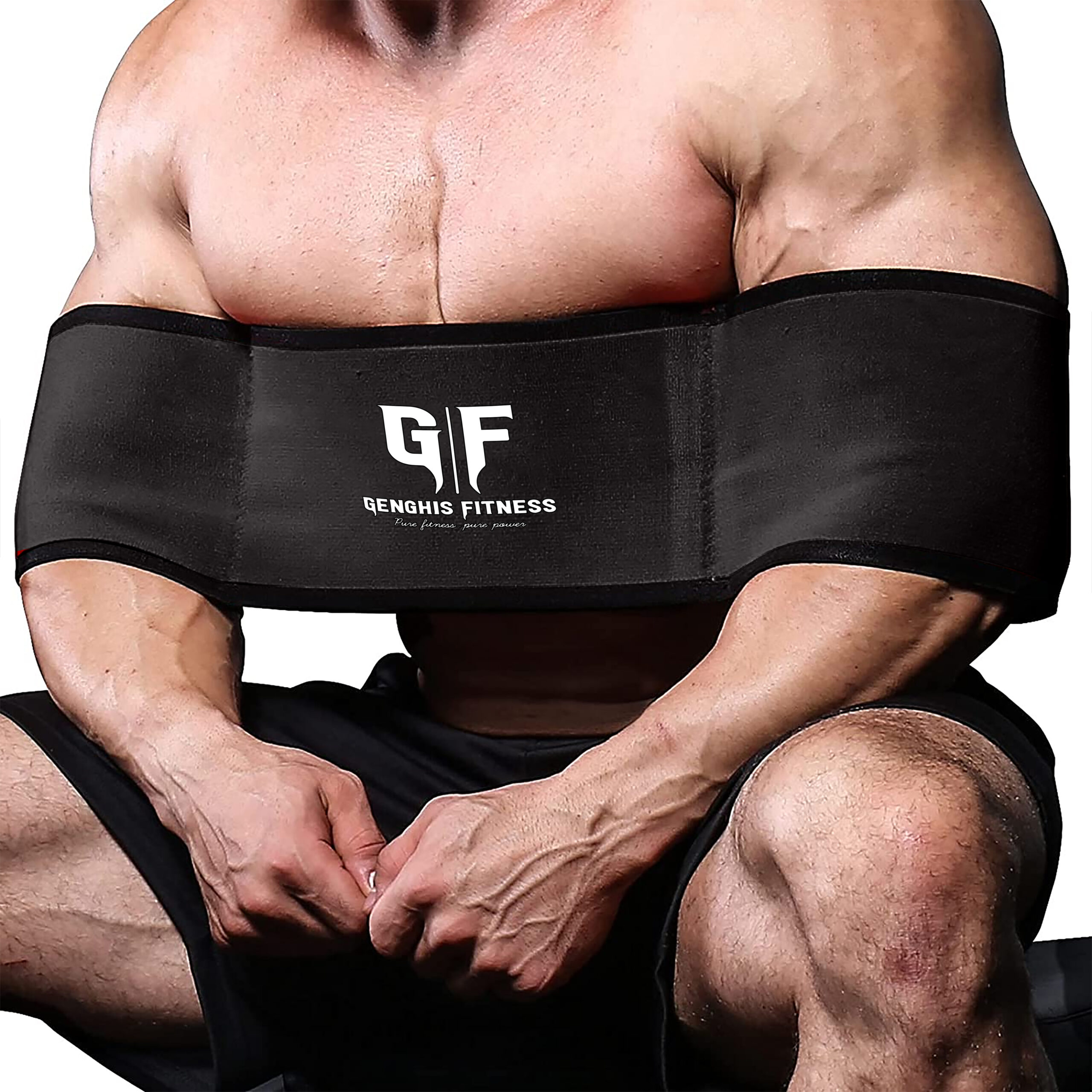
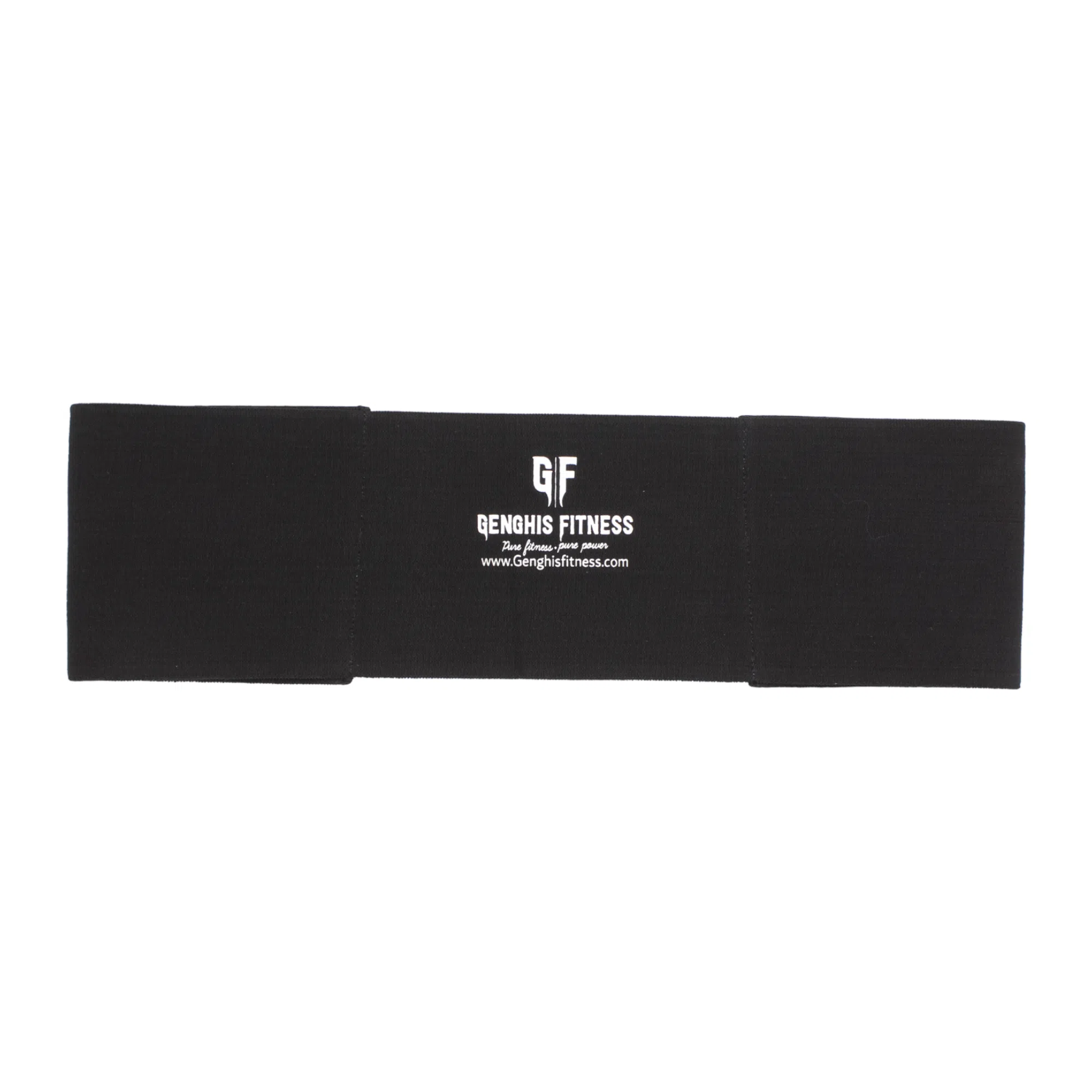
The Genghis Fitness Bench Blaster Sling is an elastic pressing sling that wraps around both upper arms and stores energy at the bottom of the bench press, releasing it as you drive the bar off the chest. The elastic stores energy as it stretches during the descent. At the bottom position, that stored energy combines with your pressing force to drive the bar through the sticking point. The practical result is that you can load the bar with 5 to 15 percent more weight than your current raw maximum and press through the full range of motion. Training at weights above your current maximum overloads the nervous system and the pressing musculature with a stimulus they cannot experience through standard raw training. Sold as a size-specific sling in multiple sizes.
Plateau breaking in the bench press follows a reliable pattern. You reach a weight where your sticking point becomes a ceiling. The sticking point on the bench press is almost always just above the chest, in the first third of the pressing range of motion, where the bar velocity from the chest is lowest and the tricep and anterior delt contribution is highest. Standard bench training builds strength throughout the range of motion but accumulates volume primarily at weights below the plateau weight. The bench blaster allows you to accumulate training volume at weights above the plateau weight, which provides the specific overload the nervous system needs to adapt past the sticking point.
Who Should Use The Bench Blaster
Powerlifters and serious bench press athletes who have been stuck at a specific weight for three or more training cycles will get direct application from the bench blaster as an overload tool. The protocol is straightforward: use the sling for four to six weeks of working sets at 5 to 10 percent above your current maximum, training the movement pattern at supramaximal loads, then test raw. Most athletes who run this protocol consistently report a raw bench press improvement of 5 to 15 pounds when they return to unassisted pressing after the overload block.
Intermediate lifters who are progressing but want to accelerate their bench development will find the bench blaster useful as a supplementary tool in their pressing rotation. The sling allows you to handle loads that overload the tricep lockout specifically, which is the most commonly underdeveloped part of the bench press in lifters who lack significant tricep mass. Training lockout with the bench blaster builds the neural efficiency and tricep strength to handle heavier loads through the full range of motion in raw pressing.
Athletes recovering from minor shoulder irritation who need to reduce the load on the shoulder joint at the bottom of the press while maintaining training volume will find the bench blaster useful as a load management tool. The sling reduces the stretch-reflex demand at the bottom position by beginning the lifting assistance before the bar reaches the chest. This changes the stress profile of the press in a way that some athletes find reduces shoulder discomfort while still allowing productive bench training during the recovery period.
How To Use The Bench Blaster Effectively
Pull the sling over both arms so it sits around your upper arms at approximately the level of your armpits. The fit should be snug enough to stay in position during the press but not so tight that it restricts your arm position in the setup. Too high on the upper arm reduces the assistance at the bottom position. Too low toward the elbows changes the angle of the elastic and makes the sling less effective at the sticking point.
Warm up raw before putting on the bench blaster. Your first sling set should be at a weight you can raw bench for five or six reps, not at your raw maximum. This gives you the chance to feel how the sling changes the press mechanics before the weight is heavy enough to matter. The sling alters your timing on the press because the elastic assistance means the bar accelerates differently through the bottom range than raw pressing. Two to three warm-up sets with the sling at moderate loads before working sets is the standard approach.
Program bench blaster work for four to six week blocks, not as a permanent training tool. The overload stimulus is most effective when it is novel and when the body is adapting to supramaximal loads. After six weeks of consistent use, return to raw pressing, test your maximum, and assess the improvement. If you have stalled again after another training block, run another bench blaster cycle. The tool is most effective as a periodic overload stimulus rather than as permanent training equipment.
Key Specifications
- Type: Elastic pressing overload sling
- Placement: Upper arms at armpit level
- Overload range: 5 to 15 percent above current raw maximum
- Recommended block length: 4 to 6 weeks
- Available: Multiple sizes, size for your arm circumference
- Best for: Plateau breaking, supramaximal overload, tricep lockout development
Why Buy From Genghis Fitness
Sized for Your Upper Arm — Four Sizes Available
S, M, L, and XL sizing based on upper arm circumference. The sling should sit at armpit level and stay in position through the full pressing arc.
Free Worldwide Shipping on Orders $100+ or 3+ Items
Flat rate $12 on smaller orders. Express available. Full shipping policy
30-Day Return Window — No Hassle
Not satisfied? Email [email protected] within 30 days. Refund to original payment method within 10 business days. Return policy
Built for Real Training — Not for the Shelf
Every product is designed and tested for the demands of serious strength training, powerlifting, CrossFit, and competitive athletics.
Related Guides
- Bench Blaster for Bench Press: Why It’s a Game Changer
- How To Use A Bench Blaster: Setup, Technique, And Programming
- Bench Blaster vs Slingshot: Which Tool Moves Your Bench More
- Best Bench Blaster 2026: Top Picks For Powerlifters
- Bench Blaster: Boost Your Gym Workouts Today
- Wrist Wraps For Bench Press: Setup, Tension, And When To Use Them
Frequently Asked Questions
How much weight above my raw maximum should I load with the bench blaster?
Start with 5 percent above your current raw bench maximum for your first session with the bench blaster. This gives you the overload stimulus without a weight so far above your capacity that you cannot control the movement safely. As you develop familiarity with the sling mechanics over two to three sessions, you can increase to 10 to 15 percent above your raw maximum. Loading more than 15 percent above your raw maximum in a sling is rarely necessary and reduces the specificity of the overload.
How long should I run a bench blaster training block?
Four to six weeks is the optimal block length for bench blaster overload training. Within this window, the nervous system adapts to handling loads above your current raw maximum and the pressing musculature receives consistent supramaximal stimulus. After six weeks, return to raw pressing for at least four weeks before running another blaster block. Using the sling for longer than six weeks continuously reduces the specificity of the overload effect as your raw pressing adapts to the new baseline.
Will the bench blaster help with my sticking point above the chest?
Yes. The sticking point just above the chest in the first third of the pressing range of motion is where bar velocity is lowest and tricep demand is highest. The bench blaster provides assistance specifically at this point in the range by releasing stored elastic energy from the descent. Training at loads above your raw maximum through this sticking point repeatedly over a four to six week block adapts the nervous system to a heavier bar at the most challenging moment of the press.
How do I position the bench blaster sling correctly?
Position the sling around both upper arms so it rests at approximately the level of your armpits. Too high on the upper arm reduces the assistance at the bottom position. Too low toward the elbows alters the elastic angle. The sling should feel snug but not restrict your arm width in your normal setup position. Wear it tight enough that it stays in position through the full pressing arc without sliding upward on the descent.
Can I use the bench blaster for overhead press training?
The bench blaster sling is designed for the horizontal pressing arc of the bench press and is not suited for overhead press mechanics. The elastic assistance it provides is calibrated for the sticking point in the bench press bottom position, which is a different force curve than the overhead press movement. For overhead press plateau breaking, board press variations and pin press from the sticking point are more targeted tools.
Bench Blaster Size Guide
| Size | Upper Arm Circumference at Bicep (inches) | Upper Arm Circumference at Bicep (cm) |
|---|---|---|
| S | 10 – 13 in | 25 – 33 cm |
| M | 13 – 16 in | 33 – 41 cm |
| L | 16 – 19 in | 41 – 48 cm |
| XL | 19 in and above | 48 cm and above |
Measure your upper arm circumference at the widest point of the bicep while relaxed. The sling should sit at armpit level — snug enough to stay in position through the pressing arc without restricting your natural arm-width setup on the bench.
Additional information
| Weight | .30 kg |
|---|---|
| Dimensions | 4 × 4 × 1 cm |
| COLOR | BEIGE, Bench Blaster-Beige, Bench Blaster-Black, Bench Blaster-Yellow, BLACK, YELLOW |
| SIZE |
You must be logged in to post a review.
Related products
-

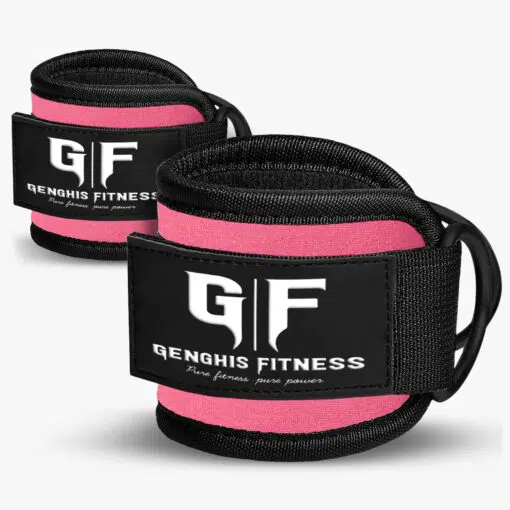
Ankle Straps for Cable Machine | Padded Neoprene
$30.00Select options This product has multiple variants. The options may be chosen on the product page -
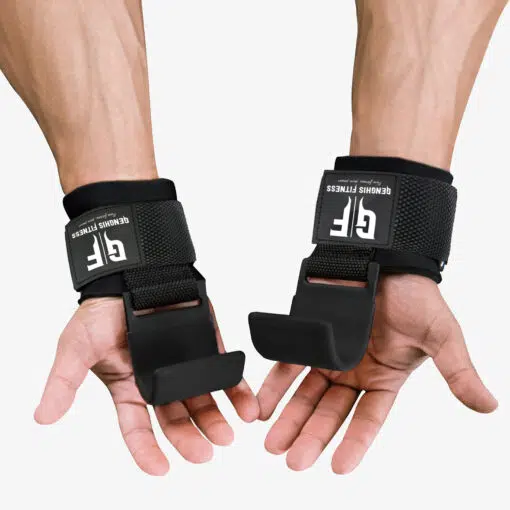
Weight Lifting Hooks | 600lb Rated Steel Hooks
$35.00Select options This product has multiple variants. The options may be chosen on the product page -
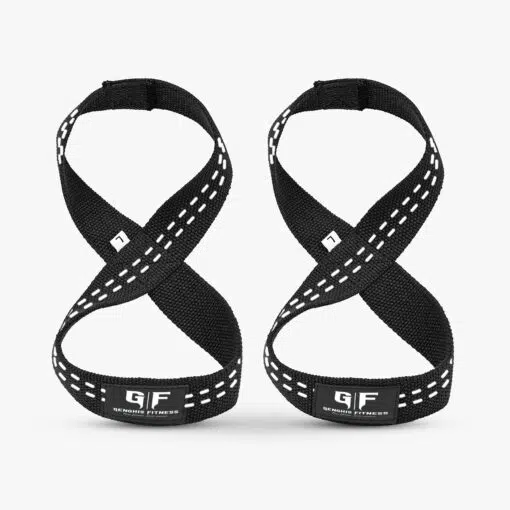
Figure 8 Lifting Straps | Max Deadlift Grip
$20.00Select options This product has multiple variants. The options may be chosen on the product page -
Reversible Elbow Sleeves | 7mm Neoprene Compression
$40.00Select options This product has multiple variants. The options may be chosen on the product page

Reviews
There are no reviews yet.