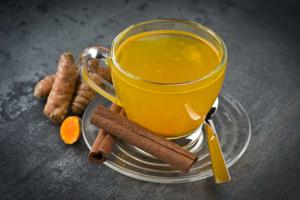
TURMERIC TEA: THE GOLDEN DRINK THAT ONLY WORKS WHEN YOU MAKE IT CORRECTLY
Turmeric tea gets more wellness attention than almost any other herbal beverage, and most people drink a version that does not work. Plain turmeric in hot water delivers curcumin at a fraction of the dose that clinical trials use, because unenhanced curcumin is poorly absorbed, rapidly metabolized, and quickly excreted. The gap between the extraordinary anti-inflammatory findings in research and the modest effects most people experience from their golden water comes down almost entirely to preparation method. Get the preparation right and turmeric tea is one of the most effective dietary anti-inflammatory tools available.
THE BIOAVAILABILITY PROBLEM EXPLAINED
Curcumin has low water solubility, is rapidly conjugated in the intestinal wall, and is metabolized by liver CYP enzymes before reaching meaningful systemic concentrations. A study indexed on PubMed found that piperine from black pepper inhibits CYP3A4, the primary curcumin-metabolizing enzyme, and increases blood curcumin levels by up to 2,000 percent. That is not a typo. Two thousand percent from adding a pinch of black pepper.
Fat co-consumption creates lipid micelles that improve intestinal curcumin absorption. Heat during preparation enhances curcumin extraction from the turmeric matrix. All three enhancements together transform turmeric tea from a largely decorative beverage into a genuinely bioactive preparation.
Traditional Indian cooking paired turmeric with black pepper and fat in virtually every application for thousands of years before any scientist measured the mechanism. The modern research confirmed what cooks knew from practical observation across generations.
ANTI-INFLAMMATORY MECHANISM: WHY CURCUMIN IS DIFFERENT
Most anti-inflammatory compounds target a single downstream inflammatory mediator. Curcumin targets NF-kB, the master transcription factor that drives the expression of COX-2, TNF-alpha, IL-1 beta, IL-6, and dozens of other inflammatory genes simultaneously. Inhibiting NF-kB reduces the entire inflammatory signaling cascade rather than one branch of it.
Multiple randomized controlled trials using enhanced-bioavailability curcumin found significant reductions in CRP, IL-6, and TNF-alpha compared to placebo. The evidence for systemic anti-inflammatory effects at appropriate doses is solid. The evidence for plain unenhanced turmeric in water producing these effects is not.
Ginger tea provides complementary anti-inflammatory coverage through COX and LOX enzyme inhibition rather than NF-kB. Combining enhanced turmeric tea with ginger tea across the training day addresses the inflammatory cascade through multiple distinct mechanisms.
JOINT PAIN AND OSTEOARTHRITIS
Joint health is the application with the strongest human trial evidence for curcumin. Multiple randomized trials have directly compared curcumin to ibuprofen for osteoarthritis pain. Several found curcumin equivalent in pain reduction with significantly better gastrointestinal tolerability.
A meta-analysis in the Journal of Medicinal Food analyzed eight trials and found curcumin significantly reduced joint pain and stiffness compared to placebo. The effects build over weeks of consistent consumption rather than producing acute pain relief like NSAIDs do, positioning turmeric tea correctly as a preventive and maintenance strategy.
For athletes dealing with chronic joint stress from heavy loading, turmeric tea is a foundational daily dietary tool. Pair it with the joint-supporting practices in our muscle recovery guide and the anti-inflammatory beverages covered in the broader herbal tea health guide.
ANTIOXIDANT AND NEUROPROTECTIVE EFFECTS
Curcumin activates Nrf2, the transcription factor that upregulates superoxide dismutase, catalase, and glutathione peroxidase. This enzyme induction produces sustained antioxidant protection that outlasts curcumin’s own systemic presence. Direct free radical scavenging adds to the enzymatic antioxidant effect.
In neuroprotection research, curcumin inhibits amyloid-beta aggregation and tau protein phosphorylation in laboratory models. Population studies in South Asia, where turmeric consumption is highest globally, show lower rates of Alzheimer’s disease than in Western populations. The mechanistic basis is biologically plausible even though direct causal attribution from population data alone is not possible.
HOW TO MAKE BIOAVAILABILITY-ENHANCED TURMERIC TEA
Simmer half a teaspoon of ground turmeric or a thumb of fresh grated turmeric in one cup of water for ten minutes. Remove from heat. Add a generous pinch of freshly ground black pepper. Add half a teaspoon of coconut oil or a splash of full-fat milk. Sweeten with honey if desired.
This preparation delivers heat activation, piperine enhancement, and fat solubilization together. Without all three, you are not consuming what the clinical trials studied. One to two cups daily consistently is the consumption pattern associated with measurable anti-inflammatory effects in the literature.
PAIRING AND PRACTICAL INTEGRATION
Turmeric tea works particularly well post-training when the anti-inflammatory effect is most needed and most impactful. A morning cup of green tea for catechin delivery, and a post-training turmeric tea for NF-kB suppression, covers two of the most important anti-inflammatory and antioxidant windows across the training day.
For athletes building a complete herbal tea rotation, see also our guides on moringa tea for blood sugar and complete amino acid support, and rosehip tea for joint inflammation and cardiovascular support.
SAFETY
Turmeric tea is very safe for most healthy adults at one to two cups daily. Individuals taking blood thinners should note curcumin’s mild anticoagulant properties at higher doses. Gallstone patients should use caution as curcumin stimulates gallbladder contraction. Plain turmeric in water without black pepper and fat is not the same preparation as what clinical trials have studied and should not be expected to produce the same results.
THE GOLDEN MILK VARIATION AND WHY IT WORKS
The golden milk latte variation popular in Western wellness culture is actually a superior preparation method from a bioavailability standpoint. Replacing the water with heated full-fat milk or a creamy plant-based alternative like oat milk or coconut milk provides the fat component naturally and in higher quantity than a teaspoon of added oil in a water-based preparation. The fat in whole milk or coconut milk creates a richer lipid phase for curcumin micelle formation, potentially producing higher blood curcumin concentrations from the same amount of turmeric.
Adding a quarter teaspoon of ground cinnamon to the golden milk preparation adds cinnamaldehyde’s blood sugar-modulating mechanisms to the curcumin’s NF-kB inhibition, creating a synergistic metabolic health beverage. Cinnamon inhibits alpha-glucosidase enzymes and improves cellular insulin receptor sensitivity through mechanisms that complement curcumin’s anti-inflammatory support of insulin signaling pathways. The combined preparation tastes better than plain turmeric tea and delivers broader metabolic benefit through complementary mechanisms.
TURMERIC TEA IN AN EXERCISE RECOVERY PROTOCOL
The timing of anti-inflammatory dietary interventions around training sessions matters for maximizing their recovery benefit. Consuming enhanced turmeric tea immediately post-training, within the first hour of completing a session, delivers curcumin during the window when exercise-induced NF-kB activation is highest and the downregulation of inflammatory gene expression has the most direct effect on recovery outcomes. This is different from using turmeric as a general chronic anti-inflammatory consumed at any time of day, which is also valid, but the post-training window is when the acute anti-inflammatory mechanism is most specifically relevant.
Athletes who train in the evening and want to use turmeric tea for both recovery and relaxation can combine the golden milk preparation with the addition of a small amount of ashwagandha or holy basil, both of which have adaptogenic cortisol-modulating effects that support the transition from training stress to recovery state. The fat-based preparation already creates a warm, comforting bedtime beverage character that positions the post-training anti-inflammatory application and the pre-sleep wind-down naturally in the same cup.
Building a consistent daily habit with turmeric tea requires accepting that the effects are cumulative rather than immediate. The anti-inflammatory and antioxidant benefits documented in clinical trials used daily consumption over weeks, and the joint pain reduction findings were most pronounced at the eight to twelve week mark. This is not a beverage you drink once and evaluate. It is a dietary investment that pays dividends when you commit to the two-minutes-per-day preparation routine consistently. The enhanced preparation with black pepper and fat is non-negotiable for the documented clinical effects. Treating this as a ritual rather than a chore, using quality ingredients and taking the ten minutes needed to prepare it properly, transforms the habit from a health obligation into a daily moment of intentional self-care that happens to be supported by genuinely excellent science.
Certified strength and conditioning specialists with over 10 years of combined experience in powerlifting, nutrition coaching, and evidence-based fitness content. Based in New York City, the Genghis Fitness team tests every protocol in the gym before writing about it.