Genghis Fitness · Equipment and Joint Protection
Types of Weightlifting Wrist Wraps: Rigid vs Elastic, Short vs Long, Cotton vs Elastic Blend, and Which Type Suits Which Training
Updated 2026 | By Team Genghis Fitness | 22 min read
Wrist wraps are not a single product category but a spectrum of support tools that differ meaningfully in stiffness, length, material, and appropriate application. The wrong type of wrist wrap for a given training application can either provide inadequate support (allowing the wrist hyperextension it is meant to prevent) or excessive restriction (limiting the wrist movement needed for exercise technique). Understanding the practical differences between the main wrist wrap types allows athletes to select the option that provides the right level of support for their specific pressing exercises and training loads.
Rigid Wrist Wraps: Maximum Support for Maximum Loads
Rigid wrist wraps use stiff materials (tightly woven cotton, reinforced fabric, or composite materials) to severely restrict wrist extension, effectively locking the wrist in a neutral or very slightly extended position during pressing movements. They are typically shorter (30 to 50 cm) because their stiffness requires less length to achieve the necessary joint restriction. Rigid wraps are the correct choice for maximum effort pressing sets where the wrist is at highest risk of hyperextension under the bar, specifically the heaviest 1 to 5 rep sets in bench press, overhead press, and dumbbell pressing at near-maximum loads. The primary limitation of rigid wraps is that their stiffness can become uncomfortable and fatiguing over extended sets or high training volumes, making them better suited for maximum effort work than for sustained volume training. Research published in the Journal of Hand Surgery confirmed that stiffer compressive wrist supports reduce extensor muscle fatigue and improve joint position sense more than elastic alternatives at equivalent compression, supporting the use of rigid wraps for maximum load applications.
Elastic Wrist Wraps: Moderate Support with Freedom of Movement
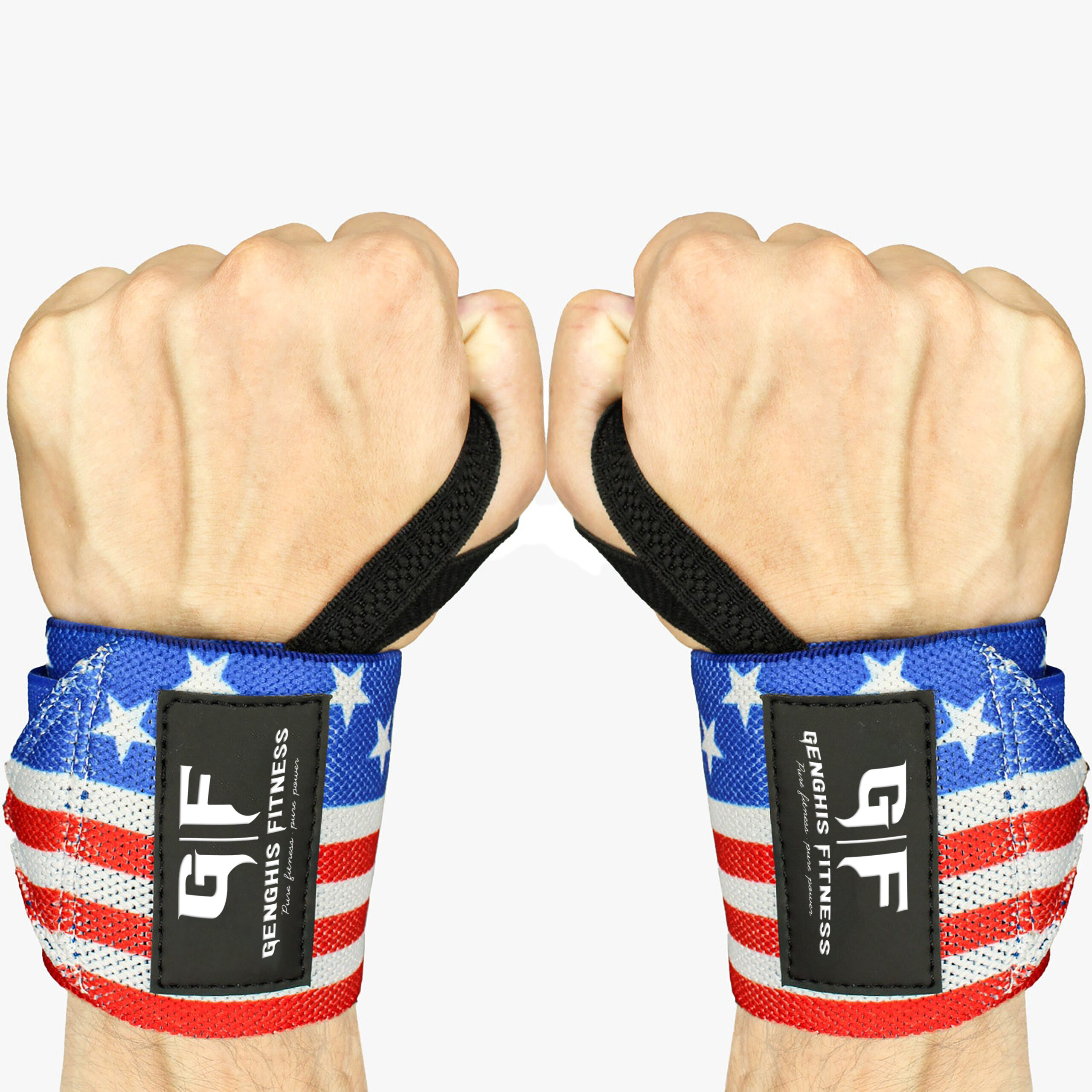
Elastic wrist wraps use materials with varying degrees of stretch (typically an elastic cotton blend) that provide moderate joint support while allowing some wrist movement during the press. They are typically longer (60 to 80 cm) than rigid wraps, and the additional length combined with elastic material allows more passes around the wrist for variable compression. Elastic wraps are appropriate for working sets at moderate to heavy training loads where some degree of wrist adjustment during the press is acceptable, and where the athlete wants wrist support without the complete restriction that rigid wraps impose. For most general training volume, elastic wraps provide the right balance of support and comfort. The Genghis Fitness wrist wraps use a medium-stiffness elastic cotton blend that provides meaningful support for sustained training use without the restriction that makes rigid wraps unsuitable for high-volume work.
Length: Short vs Long Wraps
Short wraps (20 to 40 cm) are used primarily for recreational and general fitness training at moderate loads. They provide basic wrist support and proprioceptive feedback without the structural reinforcement of longer wraps, and are easier to apply and remove. Long wraps (60 to 100 cm) allow more passes around the wrist joint, creating more even compression across the joint surface and stronger structural support. Competitive powerlifters and dedicated pressing athletes who train at heavy loads benefit from longer wraps that provide the consistent, firm compression across the full wrist joint circumference. Very long wraps (80 to 100 cm) allow athletes to wrap the joint multiple times in different directions, covering the radiocarpal joint from multiple angles. For most serious training applications, wraps in the 50 to 80 cm range provide the optimal balance of support and practicality.
Thumb Loop: Present vs Absent
Most wrist wraps include a thumb loop that anchors the start of the wrap and assists with consistent positioning during application. The thumb loop should be removed from the thumb before beginning the actual set, as it is a positioning aid only. Wrapping with the thumb loop still in place during pressing creates a lateral pull on the thumb that becomes uncomfortable under heavy loads and can cause thumb joint stress. Some athletes prefer wraps without thumb loops entirely, using alternative positioning techniques to start the wrap at the correct location. For athletes new to wrist wraps, the thumb loop aids in consistent positioning during the learning phase. The complete wrist wrap application technique guide is in our wrist wraps guide.
Wrist Wraps as Part of the Complete Pressing Equipment Stack
Wrist wraps achieve maximum value when used as part of a complete pressing equipment stack rather than in isolation. For heavy overhead pressing, pairing wrist wraps with a lifting belt for intra-abdominal pressure support addresses both the wrist and lumbar protection needs of the vertical pressing movement simultaneously. For heavy bench press, wrist wraps protect the wrists while a belt for abdominal support during heavier pressing cycles and elbow sleeves for joint warmth during high-volume pressing phases complete the pressing accessory stack. The combination of wrist wraps, elbow sleeves, and a lifting belt for maximum-effort overhead press sets is the standard equipment setup for serious overhead pressing athletes. Athletes who add these accessories proactively before joint pain develops make a better investment than athletes who purchase protective equipment reactively after the first injury has already disrupted their training. The complete bench press technique and equipment guide is in our bench press guide, which covers how each accessory integrates into different phases of a pressing training cycle. Selecting the correct wrist wrap type for your specific training is the first step in building an equipment stack that protects the wrists across years of progressive pressing development. The complete wrist wrap application and positioning guide is in our wrist wraps technique guide. Athletes who invest in the correct wrap type from the beginning of serious pressing training avoid the trial-and-error purchasing cycle that results from starting with inadequate wraps and discovering their limitations only after wrist pain has already appeared.
Frequently Asked Questions
Which Wrist Wrap Type Is Best for Bench Press?
For bench press, a medium-length (50 to 70 cm) elastic wrap provides the right combination of wrist extension restriction and freedom of movement for most athletes. Rigid short wraps are appropriate for maximum 1 to 3 rep attempts where wrist position is critical and the set duration is brief. For hypertrophy training with sets of 8 to 15 reps at moderate loads, a longer elastic wrap that allows some natural wrist adjustment across multiple reps is more appropriate and comfortable than a rigid wrap that becomes fatiguing over extended sets.
Can You Use the Same Wrist Wraps for Both Bench Press and Overhead Press?
Yes. The same wrist wrap type works for both movements. The wrist extension stress differs between bench press (horizontal pressing, higher wrist extension risk) and overhead press (vertical pressing, different wrist loading pattern), but the wrapping technique and position are identical. Some athletes apply slightly looser wraps for overhead press than bench press because the overhead position naturally encourages a more neutral wrist than the bench press position, reducing the support demand slightly. Experimenting with compression level for each movement determines the optimal tightness for individual wrist anatomy and strength levels.
The Right Wrap for the Right Load. Every Press Protected.
Support matched to the movement and the weight.
Shop Wrist WrapsShop Elbow SleevesCertified strength and conditioning specialists with over 10 years of experience in powerlifting, nutrition, and evidence-based fitness content. Based in New York City.
For the full collection of knee sleeve, wrist wrap, and elbow sleeve guides, visit the knee sleeves, wraps and joint support guides covering sizing, thickness, and sport-specific recommendations.