Genghis Fitness · Equipment Reviews
Weight Lifting Straps Review: How to Evaluate Any Strap, What Construction Details Matter, Materials Tested Under Real Loads, and Honest Performance Assessment
Updated 2026 | By Team Genghis Fitness | 22 min read
Every lifting strap product on the market claims to provide superior grip assistance, durability, and comfort. The reality is that meaningful differences exist between strap products that only become apparent when loaded at the weights serious athletes actually train with, over the training frequencies that separate dedicated athletes from casual gym visitors. This review framework provides the tools to evaluate any lifting strap honestly: the construction details that predict performance before extended use reveals them, the material properties that determine behaviour under heavy loads, and the honest performance assessment criteria that distinguish genuine quality from marketing claims.
Construction Quality: Pre-Purchase Indicators
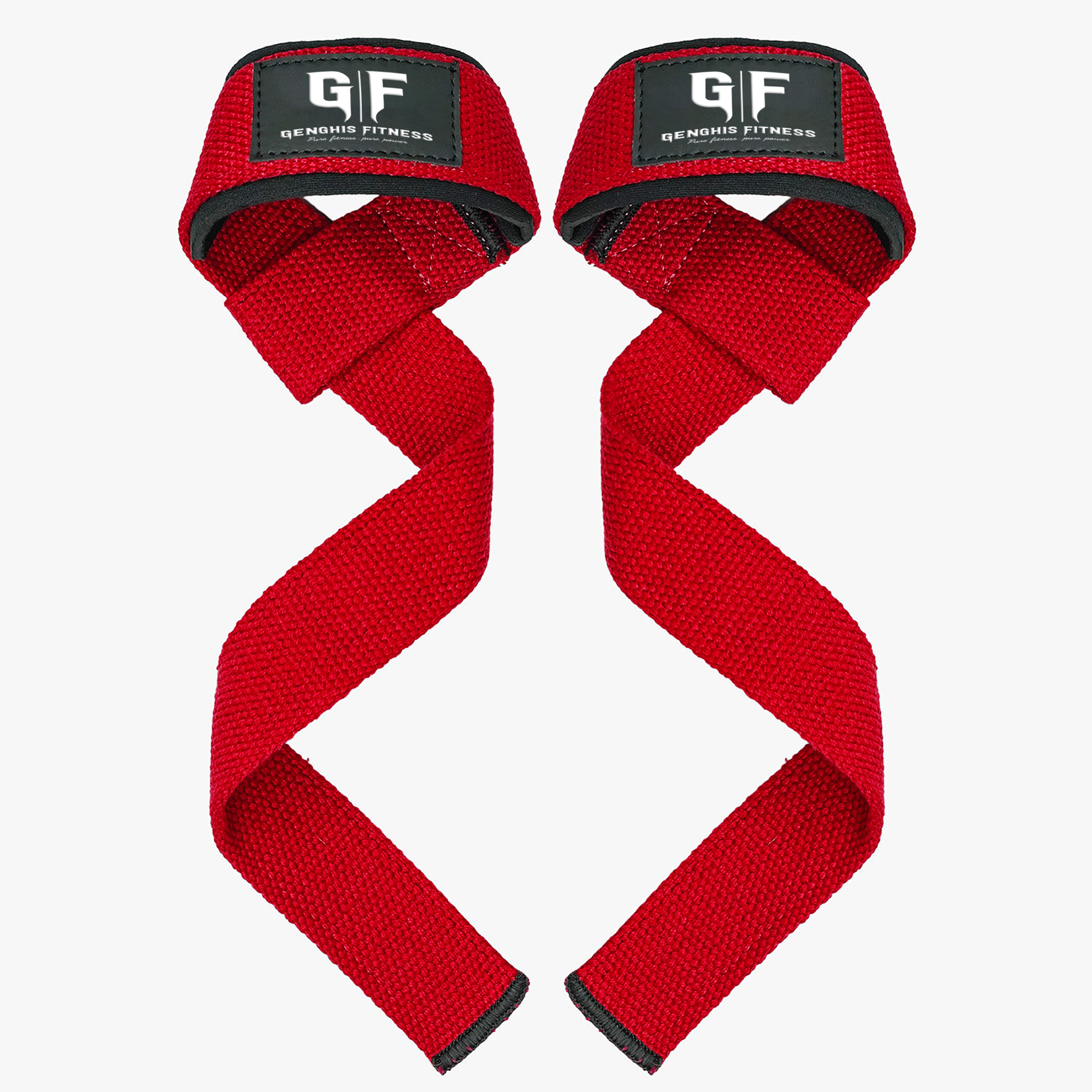
The wrist loop attachment is the most structurally critical point in any strap and the most reliable pre-purchase quality indicator. Grasp the wrist loop and the strap body and pull firmly apart: the attachment should resist strongly with no visible elongation of the stitching. Quality loop attachments use multiple rows of heavy thread sewn through reinforced fabric at the attachment point; budget alternatives use minimal stitching through thin material that fails within weeks of heavy use. The strap body material should be densely woven or solid leather at the bar contact area with no loose threads or thin spots. Research on textile material integrity in load-bearing sports equipment referenced in the Journal of Biomechanics confirms that material density and weave tightness at connection points are the primary structural determinants of fatigue life under repeated mechanical loading.
Material Performance Under Load: What Testing Reveals
Cotton straps perform adequately at moderate training loads (deadlifts under 150 kg, rows under 100 kg) but show measurable stretch under heavier loads that creates a less locked-in feel at the bar. They degrade faster than other materials under the chalk and sweat conditions of regular training, with the bar contact area thinning and the fabric losing structure within 3 to 6 months of heavy use. Nylon straps resist the chalk and sweat environment better than cotton, maintain their dimensions more consistently under heavy loads, and last significantly longer before replacement is needed. Leather straps provide the lowest elasticity and highest friction against steel of the three main materials, performing most noticeably better than cotton and nylon at loads above 150 to 180 kg where the material differences in stretch translate to a measurably more secure bar connection. The Genghis Fitness leather lifting straps and standard lifting straps represent the leather and nylon-cotton options across the strap range.
Figure-8 Straps: Specialist Performance Review
Figure-8 straps occupy a specialist position in the strap market: they provide the most secure bar connection available for maximum-load deadlifts and rack pulls, but their mechanical lock creates a safety restriction that makes them inappropriate for exercises requiring quick bar release. Performance-wise, figure-8 straps eliminate the possibility of strap slippage under any load the athlete can physically generate, which is their defining advantage over loop straps at extreme weights. The trade-off is that the fixed connection cannot accommodate the slight natural bar rotation of a conventional deadlift as smoothly as a loop strap, which some athletes find affects their natural pulling mechanics at sub-maximum training weights where the security advantage is less relevant. The optimal use pattern for figure-8 straps is maximum-effort deadlifts and rack pulls above 200 kg, with loop straps used for all other pulling work. The Genghis Fitness figure-8 lifting straps are designed for this specialist maximum-security application.
Honest Performance Assessment: What Matters at Different Training Levels
For athletes training with deadlift loads below 120 kg: any quality loop strap in cotton or nylon handles these loads with no meaningful performance difference between materials or brands. The construction quality of the wrist loop attachment and strap body is the only differentiating factor at these loads. For athletes at 120 to 200 kg: nylon or leather loop straps outperform cotton in durability and consistency at the higher end of this range. Construction quality remains important and material quality begins to produce noticeable differences. For athletes above 200 kg: leather straps and figure-8 straps for maximum efforts provide the material and mechanical performance that serious heavy training demands. The complete buying guide matching strap selection to training load is in our best lifting straps guide. Using straps alongside a powerlifting belt for the heaviest pulling sets creates the complete pulling equipment setup that addresses all primary limiting factors simultaneously.
The Complete Strap Selection and Equipment Integration Framework
Lifting strap selection is most effective when understood as part of a complete pulling equipment framework rather than a standalone purchase decision. The strap material and design selected should match the specific training loads and exercises where grip assistance is needed, as described in the performance assessment above. A powerlifting leather belt for the heaviest sets in the same session addresses the spinal support need that straps do not provide, creating a complete equipment response to the two primary limiting factors in heavy pulling. Chalk on the hands before strapping up improves the friction between palm and strap surface, adding another layer of security on top of the mechanical wrap. Using straps for the heaviest work sets only, while leaving warm-up and moderate sets unstrapped, maintains the grip training stimulus that unassisted pulling provides and develops the balanced grip and posterior chain strength that serious athletes require. Athletes who develop this disciplined approach to equipment use from the beginning of serious training build the habits that serve them across an entire training career. The complete guide to matching strap type, material, and technique to every major pulling exercise is in our how to use lifting straps guide. The specific construction quality indicators described in this review apply equally to every strap product on the market, giving athletes a reliable evaluation framework regardless of which specific brand or product they are assessing.
Frequently Asked Questions
How Often Should You Replace Lifting Straps?
Replace lifting straps when the bar contact area shows visible thinning, fraying, or significant wear that reduces the strap thickness below its original dimension. For cotton straps used at heavy training loads (deadlifts above 120 kg, 4 or more sessions per week), this typically occurs at 3 to 6 months. For nylon straps at equivalent use, 6 to 18 months. For leather straps with correct care, 5 years or more. Inspect the bar contact zone monthly by bending the strap at that point and looking for cracks, thinning, or fraying. Replace at the first signs of structural degradation rather than waiting for complete failure during a loaded exercise.
Are Expensive Straps Worth the Cost?
The quality-to-cost correlation in lifting straps is strong up to approximately 40 to 45 USD. Below 8 to 10 USD, construction corners are cut in ways that create safety concerns at heavy loads. Between 10 and 45 USD, price correlates reliably with material quality and construction standard. Above 45 USD for standard loop straps, the additional cost primarily reflects brand premium rather than performance improvement. For most serious training athletes, leather straps at 20 to 40 USD represent the optimal quality-to-value purchase when training frequency and load justify the leather material premium over cotton alternatives.
Evaluate Honestly. Buy Once. Train Without Limits.
Construction quality that holds at every weight you will ever pull.
Shop Lifting StrapsShop Leather StrapsCertified strength and conditioning specialists with over 10 years of experience in powerlifting, nutrition, and evidence-based fitness content. Based in New York City.