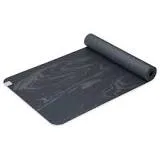
YOGA MATS: HOW TO CHOOSE THE RIGHT ONE FOR YOUR TRAINING AND MAKE IT LAST
A yoga mat is the one piece of equipment that touches your body for every single minute of every floor-based training session. It is your contact surface for stretching, mobility work, bodyweight training, restorative practice, and core work. Despite how central it is to daily training, most people buy one without much thought and end up with something that slides on the floor, smells within a month, and falls apart within a year. This guide covers what actually separates a good yoga mat from a bad one, how to match a mat to your specific training needs, and how to care for it so it performs for years.
THE KEY SPECS THAT DETERMINE YOGA MAT QUALITY
THICKNESS: THE COMFORT VS STABILITY TRADEOFF
Yoga mat thickness is one of the most consequential specs and the one most people get wrong by defaulting to the thickest option available. Standard yoga mats are 3mm to 6mm thick. Thicker mats in the 6mm to 8mm range provide more cushioning for knees and wrists during floor-based positions, beneficial for people with joint sensitivity. However, thicker mats compress more underfoot during standing poses and balance work, creating instability that reduces proprioceptive feedback and makes balance work noticeably harder. Athletes doing yoga alongside heavy training with tools like knee sleeves for heavy leg sessions typically find that a 4mm to 5mm mat hits the right balance between comfort and ground connection.
MATERIAL: WHAT YOUR MAT IS MADE FROM CHANGES EVERYTHING
Natural rubber is widely considered the gold standard for yoga mat material. It provides exceptional grip even when wet with sweat, dense cushioning that does not bottom out under body weight, and a surface texture that gives tactile feedback during movement. PVC mats are the most common mid-range option: durable, easy to clean, and good grip when dry, though grip degrades when wet. TPE mats are lighter and more eco-friendly than PVC with reasonable grip and durability. Cork mats have naturally antimicrobial surfaces and moisture-activated grip that actually improves when wet, making them excellent for high-sweat sessions. Research on exercise surface and proprioceptive feedback supports firmer, less-compressible surfaces for balance and stability training, which aligns with why thinner, denser mats outperform thick foam for dynamic practice.
GRIP: BOTH SURFACES MATTER
The top surface grip determines how well your hands and feet stay in position during dynamic movements. The bottom surface grip determines whether the mat stays put on the floor. Both matter. A mat with excellent top grip that slides on a polished gym floor is useless for serious practice. Look for mats with a textured or sticky bottom surface rated for the floor type you train on. Rubber and cork bottoms grip hardwood and tile reliably. PVC bottoms with ridges perform better on slippery floors than smooth PVC bases.
SIZE: STANDARD VS LONG
Standard yoga mats are 68 inches long, adequate for people up to around 5 feet 10 inches. Taller athletes over 6 feet will find their head or feet hanging off the mat during floor poses, creating comfort issues and training interruptions. Long mats at 72 to 85 inches are available from most quality brands and are worth the modest price premium. Width also varies: standard is 24 inches, wider mats at 26 to 30 inches provide more space for positions with wide arm or leg placement.
MATCHING YOUR MAT TO YOUR TRAINING STYLE
FOR STRENGTH ATHLETES ADDING MOBILITY AND RECOVERY WORK
Strength athletes using yoga and mobility practice as recovery and maintenance need a mat that handles the full range of positions from lying flat for restorative work to standing balance poses without feeling like they are about to slide. A 4mm to 5mm natural rubber or PVC mat provides the balance of cushioning and stability that serves all these purposes. The same mat used for foam rolling, restorative yoga after a hard training day, and dynamic warm-up mobility work should be thick enough for floor comfort but stable enough for single-leg balance work.
FOR HOT YOGA AND HIGH-SWEAT SESSIONS
Hot yoga studios and high-intensity flow classes produce sweat volumes that overwhelm standard PVC mat grip within minutes. Cork mats and natural rubber mats with open-cell surfaces that grip when wet are the appropriate choices for this context. A microfiber yoga towel laid over a standard mat is a lower-cost workaround, but a purpose-built hot yoga mat with a moisture-activated grip surface is the cleaner solution for regular practice.
FOR DAILY FLOOR-BASED TRAINING AT HOME
Athletes who use their mat daily for core work, mobility drills, stretching circuits, and bodyweight training need durability above all else. PVC mats hold up to daily use better than TPE over multi-year timelines. Natural rubber is durable but can degrade in direct sunlight. If your training space has windows, store the mat rolled and away from light when not in use. A mat used daily for serious training is a different product category from one used for occasional gentle practice.
THE BEST YOGA MAT BRANDS IN THE US AND EUROPE
Manduka produces some of the most respected performance mats in the market. Their PRO series in 6mm PVC and eKO series in natural rubber are used by professional yoga instructors and athletes worldwide and come with lifetime guarantees. Liforme mats feature an alignment grid system embedded in the surface genuinely useful for learning positional accuracy in standing poses. Jade Yoga uses natural rubber and plants a tree for every mat sold. In Europe, brands like Lotuscrafts and Kurma offer premium natural rubber and cork options at comparable quality and price points to US brands.
Budget mats under twenty dollars are appropriate for casual occasional use but not for serious daily training. A mat that bunches, slides, or deteriorates within months creates training interruptions and safety issues during balance work. Spending fifty to one hundred dollars on a quality mat from a reputable brand is the same logic as investing in quality wrist wraps for training or lifting straps for pull sessions: the right tool pays for itself in performance and longevity.
HOW TO CLEAN AND MAINTAIN YOUR YOGA MAT
A yoga mat accumulates sweat, dead skin cells, and bacteria with every session. Cleaning it is not optional. It directly affects how long the mat maintains its grip and how it smells after months of use. After every session, wipe the top surface with a damp cloth or spray with a mat cleaning solution and allow to air dry before rolling. Avoid rolling a damp mat and storing it in a closed bag, which creates a mold-friendly environment. A diluted tea tree oil and water spray in a small bottle is an effective, inexpensive daily cleaner for most mat materials.
Deep clean once every two to four weeks depending on use frequency. For PVC mats, submerge in a bathtub with mild soap and water, scrub gently with a soft brush, rinse completely, and hang to dry flat or over a rack. Never put a yoga mat in a washing machine or dryer. For natural rubber mats, avoid soap containing citrus ingredients which degrade rubber over time. Store your mat rolled loosely rather than folded, which prevents permanent crease marks that compromise the flat surface.
HOW LONG A QUALITY YOGA MAT SHOULD LAST
A quality yoga mat from a reputable brand, cleaned consistently and stored properly, should last three to five years of daily serious training use. Signs that a mat needs replacing include surface peeling or flaking, permanent compression in high-use zones, loss of bottom grip that cannot be restored by cleaning, or persistent odor that multiple cleaning cycles cannot eliminate. Budget mats often show these signs within six to twelve months of daily use, making the apparent cost saving a poor value over a two to three year horizon. Treating your yoga mat with the same care you give other training equipment, from your resistance bands to your elbow sleeves, extends its life and keeps it performing through every session.
FINAL WORDS
Your yoga mat is not an afterthought. It is the foundation of every floor-based training session you do. Choose the right thickness for your joint needs and training style. Match the material to your sweat volume and floor surface. Buy from a brand that builds for real training use. Clean it after every session and deep clean it monthly. A quality mat cared for correctly will last years of daily use and will never create a training interruption or safety issue. Pair it with the same intentionality you bring to every other piece of your training environment, and you build the complete setup that supports consistent performance session after session.
Certified strength and conditioning specialists with over 10 years of experience in powerlifting, nutrition, and evidence-based fitness content. Based in New York City.