Genghis Fitness · Strength Training and Technique
Back Squat: High Bar vs Low Bar Mechanics, Depth Requirements, Common Errors, and How to Programme the King of Strength Exercises
Updated 2026 | By Team Genghis Fitness | 22 min read
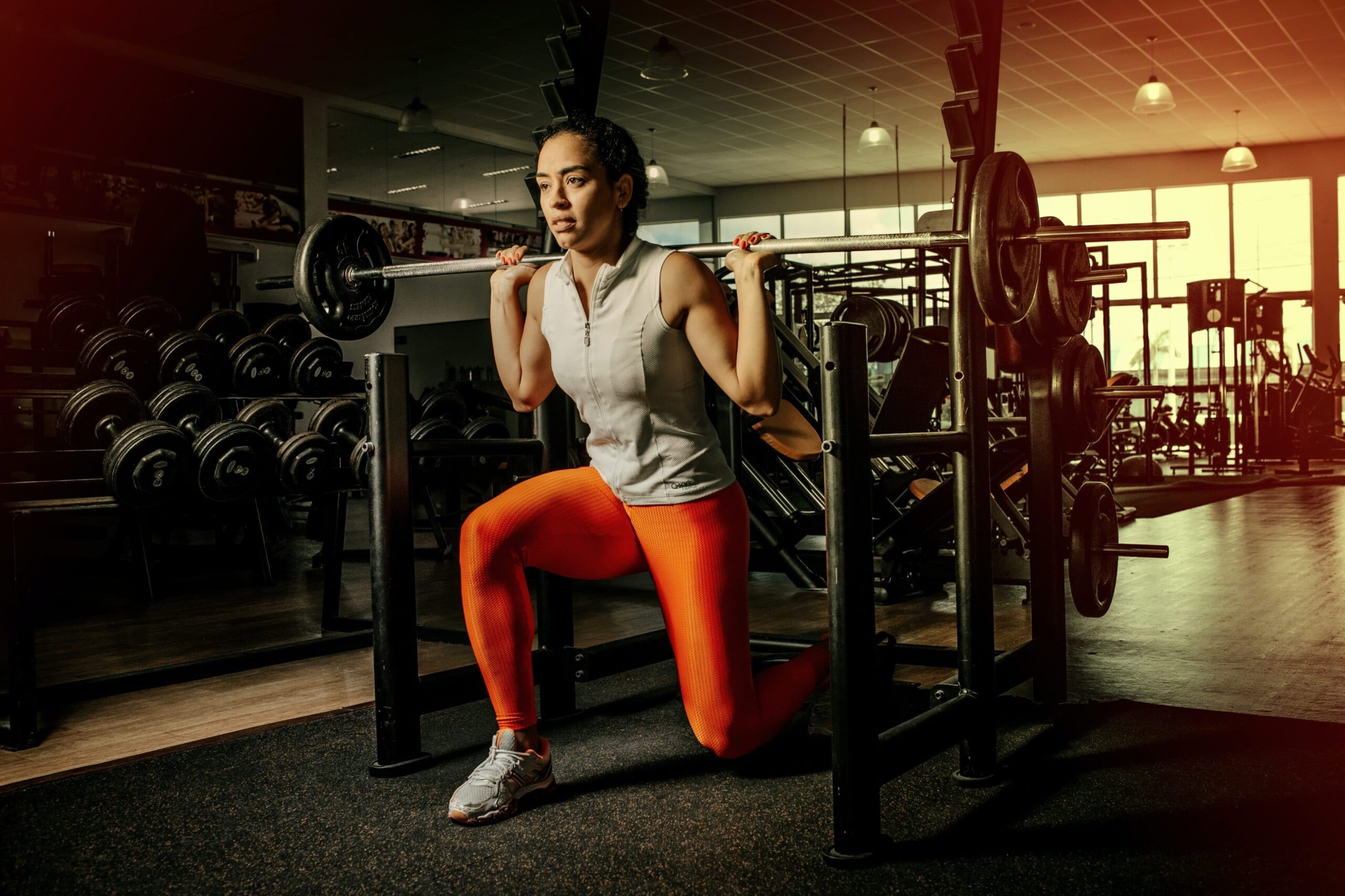
The back squat is the most studied and debated exercise in strength training, the centrepiece of powerlifting competition, and the exercise most correlated with lower body strength and athletic power across all sports. Its primacy in strength programming is not aesthetic but mechanistic: no other bilateral lower body exercise loads the quadriceps, hamstrings, glutes, and spinal erectors through a comparable range of motion at comparable loads, producing the systemic hormonal and structural adaptations that make athletes stronger, more powerful, and more resilient. Understanding the technical distinctions between high-bar and low-bar squat variants, what squat depth research shows about muscle activation and safety, and how to programme squats effectively across training phases separates athletes who use this exercise effectively from those who do it habitually without maximising its potential.
High Bar vs Low Bar: Mechanics and Muscle Emphasis
The two primary back squat bar positions produce different biomechanical demands that suit different athletic goals. High-bar squats (Olympic-style, bar resting on the upper trapezius at the base of the neck) require a more upright torso, greater ankle dorsiflexion, and produce a more vertical shin angle that emphasises the quadriceps. Low-bar squats (powerlifting-style, bar resting approximately 5 cm lower on the rear deltoids) allow the torso to lean forward more, reducing the dorsiflexion demand, and shift more of the load to the posterior chain (hamstrings, glutes, and spinal erectors). Research published in the Journal of Strength and Conditioning Research comparing high-bar and low-bar squat kinematics found that low-bar squats allowed significantly greater loads to be lifted (approximately 9 percent more on average) due to the more favourable lever arm, while high-bar squats produced greater knee extensor moment (quad demand) at equivalent depths. Athletes training for maximum squat strength (powerlifters) benefit from low-bar technique; athletes training for quad development and sport transfer (Olympic weightlifters, team sport athletes) benefit from high-bar technique.
Squat Depth: What the Research Shows
The parallel squat depth debate (whether full depth below parallel is necessary or safe versus stopping at parallel) has been substantially resolved by the research. Multiple studies confirm that squatting to full depth (hip crease below the top of the knee) produces greater gluteus maximus and hamstring activation in the bottom range, where the muscles are under stretch and the growth stimulus is highest, compared to partial squats at equivalent loads. Research published in the European Journal of Applied Physiology found that full-depth squats produced significantly greater hypertrophy in the gluteus maximus and hamstrings over a 10-week training period compared to parallel squats, despite the lower absolute load used for full-depth squats. The concern about deep squats being dangerous for the knees has been addressed by multiple studies finding no greater knee joint stress in full-depth squats performed with correct technique compared to parallel squats, and several studies finding lower patellofemoral joint stress at full depth due to increased contact area distributing the load over a larger surface.
Common Back Squat Errors and How to Fix Them
Knees caving inward (valgus collapse): The most common and injury-producing squat error. Caused by gluteus medius weakness, tight hip flexors, or excessive fatigue. Fix: use lighter loads, consciously push knees out over the toes throughout the descent and ascent, and use hip circle bands above the knees during warm-up sets to activate the gluteus medius before heavy work.
Heels rising: Insufficient ankle dorsiflexion forces the heels to lift as depth increases. Fix: ankle mobility work before squatting, elevating the heels with a small wedge plate or Olympic weightlifting shoes as a technique aid while addressing the ankle restriction long-term.
Forward torso lean exceeding bar position demands: Excessive forward lean for the bar position (too much forward lean for high-bar, not enough for low-bar) indicates hip flexor tightness, weak spinal erectors, or incorrect bar position. Fix: match torso angle to bar position requirements, address hip flexor and ankle mobility.
Butt wink at depth: Lumbar flexion at the bottom of the squat, caused by insufficient posterior pelvic tilt range of motion from tight hip flexors or limited hip joint anatomy. Fix: anterior pelvic tilt correction protocol, squat to just above where butt wink begins until mobility improves. The powerlifting belt provides lumbar support during heavy back squat training: the Genghis Fitness powerlifting belt and knee sleeves are standard protective equipment for serious back squat training.
How to Programme Back Squats
Back squat programming depends on the athlete’s goal. For strength development, lower-rep work at 80 to 95 percent of maximum (3 to 5 sets of 2 to 5 reps) with progressive load increase over weeks is the standard approach. For hypertrophy, moderate-rep ranges (3 to 4 sets of 6 to 10 reps) at 65 to 80 percent with controlled tempo and full depth produce the greatest muscle growth stimulus. For athletic performance transfer, heavier work followed by explosive lower body exercises (jump squats, box jumps) in post-activation potentiation protocols produces the best power output improvements. Squatting 2 to 3 times per week with varied loading allows both adaptation accumulation and recovery without excessive fatigue accumulation. The complete squat and powerlifting programming approach is in our powerlifting training guide.
Back Squat Versus Other Squat Variations: When to Use Each
The back squat is the most effective bilateral squat for total lower body strength development but is not always the most appropriate exercise for every athlete or training phase. The Bulgarian split squat produces greater gluteus maximus and hamstring activation per rep due to the deeper hip flexion available in the unilateral position, making it superior for posterior chain hypertrophy despite lower absolute loads. The front squat creates the most upright torso position, making it better for quad-dominant development and for athletes with limited hip mobility who cannot maintain adequate back squat positioning. The back squat’s primary advantage is the absolute load it allows, producing the greatest total mechanical tension and systemic hormonal response of any lower body exercise, which makes it irreplaceable for maximum strength development. Using the back squat as the primary strength exercise while supplementing with split squats or front squats for targeted development is the most comprehensive lower body training approach. The knee wraps for maximum effort back squat sessions provide elastic energy return and compression support that allow athletes to safely approach limit loads throughout heavy training blocks.
Frequently Asked Questions
Are Back Squats Safe for the Knees?
Yes, when performed with correct technique and appropriate load progression. The research consistently shows that properly performed back squats do not cause knee damage in healthy athletes and may strengthen the knee joint structures through progressive mechanical loading. The knee injury risks associated with squatting arise from poor technique (valgus collapse, excessive forward lean), inappropriate load progression (adding weight faster than technique can accommodate), and pre-existing joint pathology that requires technique modification. Athletes with knee pain during squatting should address technique errors and the mobility limitations that cause them rather than avoiding squats, as the muscle and joint strength developed through correct squatting is protective against knee injury in sport.
How Deep Should You Squat?
For most athletes without structural limitations, squatting to full depth (hip crease below the knee) is the most productive approach based on the evidence for greater muscle activation and hypertrophy at full depth. Competitive powerlifters must achieve depth with hip crease at or below the knee as a judging standard. Athletes with hip anatomy that causes impingement at depth (bone-on-bone contact rather than soft tissue limitation) should squat to the depth their joint anatomy comfortably allows. The difference between joint anatomy limiting depth and soft tissue mobility limiting depth can be evaluated by a sports medicine physician or qualified physiotherapist.
Squat Deep. Squat Heavy. Squat for Life.
The king of exercises deserves the king of protective gear.
Shop Powerlifting Belt Shop Knee SleevesCertified strength and conditioning specialists with over 10 years of experience in powerlifting, nutrition, and evidence-based fitness content. Based in New York City.
GEAR UP FOR SQUATS
Protect your knees and brace your core harder with the right equipment.
10mm Lever Belt