BENCH PRESS PERFORMANCE METRICS: HOW TO TRACK, MEASURE, AND ACTUALLY IMPROVE YOUR PRESS
Why Tracking Bench Press Metrics Changes Everything
Most gym goers bench press the same weight, for the same reps, in the same way, for years without meaningful progress. The reason is almost never effort. It is measurement. When you do not track your bench press performance with specific metrics, you cannot identify what is actually limiting your progress. Is it raw strength? Muscular endurance? Technique breakdown under fatigue? Insufficient volume? Inadequate recovery? Without data, every session is just lifting weights in the dark. Tracking the right bench press performance metrics turns each session into information that directly drives the next one. Research published in the Journal of Strength and Conditioning Research found that athletes who tracked training load and used progressive overload systematically produced significantly greater strength gains over 12 weeks than those who trained without structured measurement. Protect your elbows and wrists during the high-volume measurement phase with elbow sleeves and wrist wraps.
The bench press is one of the few gym exercises where performance metrics are easy to quantify, compare over time, and use to diagnose specific weaknesses. The numbers tell you things that feel and intuition cannot. A lifter whose one-rep max is not improving but whose five-rep max is climbing has a different problem than a lifter whose five-rep max has stalled but whose one-rep max moved last month. Metrics separate these scenarios and point you toward the right solution.
The Core Bench Press Performance Metrics
One-Rep Maximum (1RM)
The one-rep maximum is the benchmark strength metric for the bench press. It represents the maximum weight you can lift for a single controlled repetition with full range of motion, touching the chest and locking out the elbows at the top. Testing your actual 1RM carries some injury risk and should be reserved for dedicated testing sessions, not performed during regular training. Most lifters test their true 1RM every eight to twelve weeks at the end of a training block.
Between tests, use estimated 1RM formulas to track strength progress without the risk of maximal testing. The Epley formula estimates 1RM as: weight multiplied by the quantity one plus 0.0333 times reps. So 200 pounds for 5 reps estimates a 1RM of approximately 233 pounds. Use this consistently across sessions to track strength trends without requiring a true max effort each time.
Volume Load
Volume load is calculated by multiplying sets by reps by weight for all bench press work in a session. For example, 4 sets of 5 reps at 225 pounds equals a volume load of 4,500 pounds for that session. Tracking weekly volume load across training blocks is one of the most reliable indicators of whether your training is producing the progressive overload needed for strength and hypertrophy gains. A well-designed program produces consistent volume load increases week over week within a block, then resets to a lower volume at the start of the next block with a higher weight, allowing the cycle to begin again.
Intensity Percentage
Intensity percentage is the weight you are lifting expressed as a percentage of your estimated or tested 1RM. A set at 85 percent of your 1RM is a heavy, high-intensity set appropriate for strength development. A set at 65 percent is moderate intensity, appropriate for volume accumulation and technique refinement. Tracking intensity percentage ensures that your training distribution between heavy, moderate, and light work aligns with your goals. Most effective strength programs spend the majority of weekly volume in the 65 to 80 percent range, with a smaller proportion of work above 85 percent.
Rep Quality Score
Rep quality is a subjective but important metric. After each working set, rate the quality of your technique on a scale of one to ten. Did the bar touch your chest consistently on every rep? Did the elbows stay at the correct angle throughout? Was bar path straight and controlled? Did technique break down on the final reps? A set of five reps where the last two were grinding with elbows flaring wide is different information than a clean set of five with consistent technique throughout. Tracking rep quality alongside load reveals when fatigue is compromising technique before the numbers alone would indicate a problem.
Rest Periods
The rest period between sets directly affects the quality of subsequent sets and the total training stimulus of the session. A set performed after 90 seconds of rest produces a different adaptation than the same set performed after 3 minutes. Track your rest periods and keep them consistent within a training block to ensure your performance metrics are actually comparable between sessions. Athletes who let rest periods drift from 2 minutes to 5 minutes across a session are not tracking the same exercise from a performance perspective.
Diagnosing Stalls Using Your Metrics
Stall in 1RM but Volume Load Still Climbing
If your estimated 1RM has not moved in six weeks but your weekly volume load has been climbing consistently, you are likely in an accumulation phase where the body has not yet converted volume adaptation to maximal strength expression. This is normal and resolves by dropping volume significantly for one to two weeks while maintaining intensity, then retesting your 1RM. The deload gives the nervous system and connective tissue time to consolidate the gains from the volume work.
Volume Load Stalled Despite Consistent Effort
If your weekly volume load has not increased in three or more consecutive weeks despite consistent effort and adequate sleep, the program needs modification. Common causes are insufficient caloric intake to support recovery, too much competing training volume from other upper body work, or a program structure that is not built around progressive overload. Evaluate each variable systematically rather than just adding more sets, which often worsens the stall rather than resolving it.
Technique Scores Dropping on Final Reps
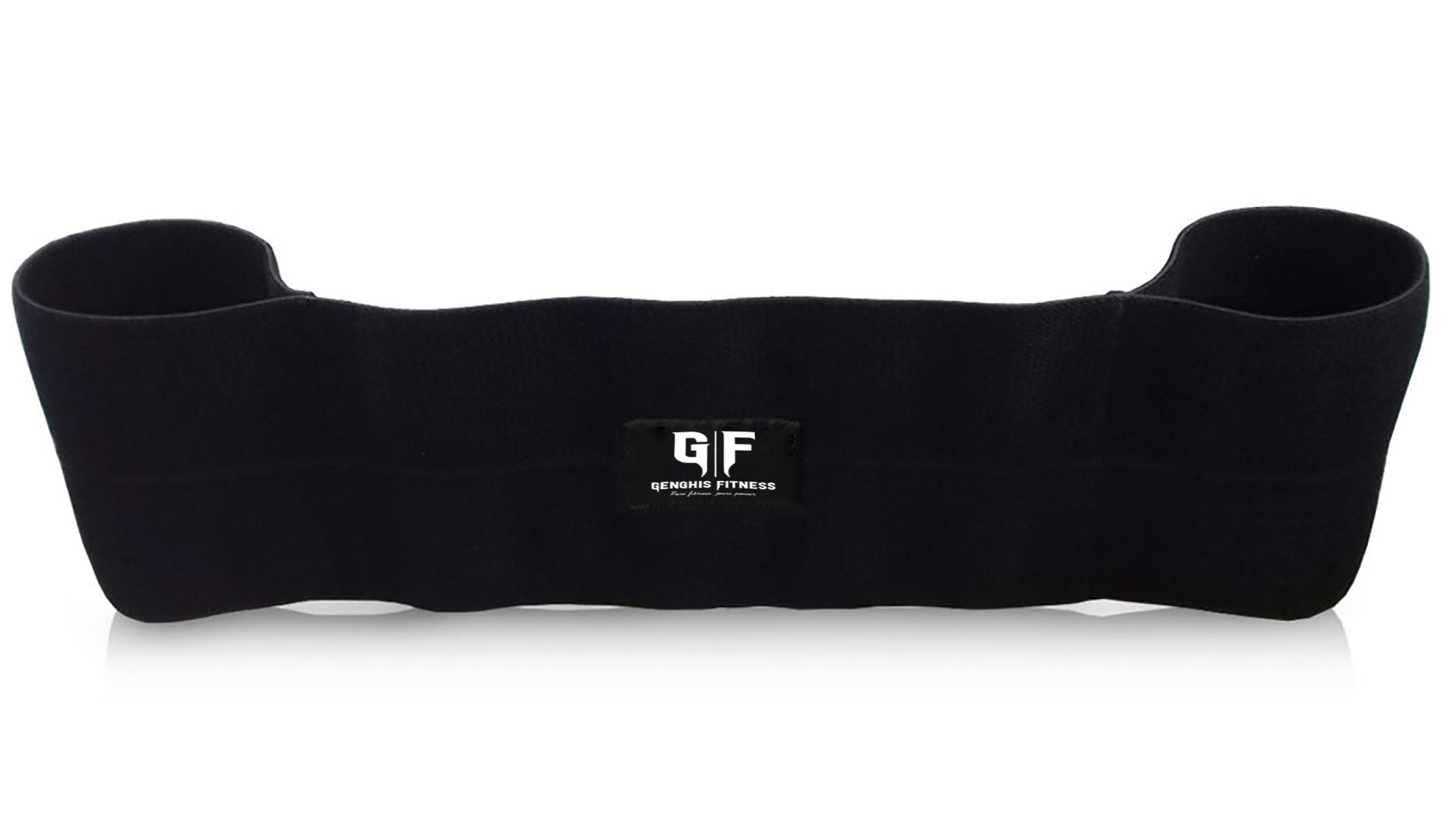
If your rep quality score on the final reps of your working sets is consistently falling below 7 out of 10, you are training with more volume or intensity than your current technique can sustain. The solution is either reducing total volume until technique stabilizes, or deliberately spending a block training at lower intensities with a focus on technique refinement before returning to heavier loads. Using a bench blaster for selected sets helps train proper groove and elbow positioning under load and can accelerate technique refinement significantly.
Tools for Tracking Bench Press Metrics
A training log is the minimum requirement. This can be a simple notebook, a spreadsheet, or a dedicated app. The format matters less than the consistency of recording. Log every set: weight, reps, estimated RPE or rep quality, rest period, and any notable observations like technique cues that felt particularly effective or form breakdowns that need addressing. Review the last four to six sessions before each training day to identify trends and set appropriate targets.
For more advanced tracking, a velocity-based training device measures bar speed during each rep. Bar velocity correlates reliably with percentage of 1RM, meaning that if your bar speed on a given weight drops significantly from one session to the next, you can identify accumulated fatigue before it shows up as a stalled rep max. This technology is used by elite powerlifting programs worldwide to autoregulate training load in real time based on daily readiness.
FINAL WORDS
The lifters who build genuinely impressive bench press strength over years are not the ones who simply tried harder. They are the ones who measured what mattered, identified what was limiting their progress, and adjusted intelligently. Start tracking your 1RM estimate, volume load, intensity percentage, and rep quality after every session starting this week. Within four to six weeks you will have more useful information about your bench press than most gym goers accumulate in years. Protect the joint through the process with wrist wraps on every heavy set and elbow sleeves on high-volume sessions. Track smart and let the data drive the gains.
Certified strength and conditioning specialists with over 10 years of experience in powerlifting, nutrition, and evidence-based fitness content. Based in New York City.