Genghis Fitness · Equipment and Grip Training
Belt, Straps, and Chalk: How to Use All Three Together, When Each Is Most Valuable, and Building the Optimal Training Equipment Stack
Updated 2026 | By Team Genghis Fitness | 22 min read
Belt, lifting straps, and chalk are three separate grip and trunk support tools that address three different limiting factors in heavy compound training. A weightlifting belt addresses spinal stability through IAP enhancement. Lifting straps address grip fatigue in pulling exercises by mechanically connecting the wrist to the bar. Chalk addresses the friction between the palm and bar by reducing moisture and increasing the coefficient of friction at the skin-to-metal interface. Each tool works through a completely different mechanism, targets a different limitation, and has different appropriate uses. Understanding how to use all three together, and specifically in which exercises each provides the most benefit, allows athletes to eliminate the limiting factors that impair training quality without creating unnecessary equipment dependency.
Belt: IAP and Spinal Stability
The belt is the primary tool for exercises that generate high spinal compressive loads: squats, deadlifts, overhead press, and heavy barbell rows. Use it for the heaviest sets in these exercises (above approximately 80 percent of maximum) where IAP enhancement is most beneficial. Position it at the natural waist and brace correctly before initiating the lift. Research published in the Journal of Orthopaedic and Sports Physical Therapy confirmed that the belt significantly increases IAP and reduces erector spinae loading at equivalent effort. The Genghis Fitness powerlifting leather belt provides the stiffness needed for maximum IAP benefit at the heaviest training loads.
Lifting Straps: Grip Assistance on Pulls
Lifting straps are used for heavy pulling exercises where grip strength fails before the target muscles are adequately trained: deadlifts above approximately 80 percent of maximum, heavy barbell and dumbbell rows, lat pulldowns at high volume, and shrugs. Use straps for the heaviest 2 to 3 work sets where grip is the genuine limiting factor, while leaving lighter sets unstrapped to maintain grip training stimulus. Research published in the Journal of Strength and Conditioning Research confirmed that strap-assisted pulling allows significantly greater volume before grip failure, enabling better back and posterior chain training quality. The Genghis Fitness lifting straps and leather lifting straps serve the full range of pulling exercises.
Chalk: Friction Enhancement for All Pulling and Pressing
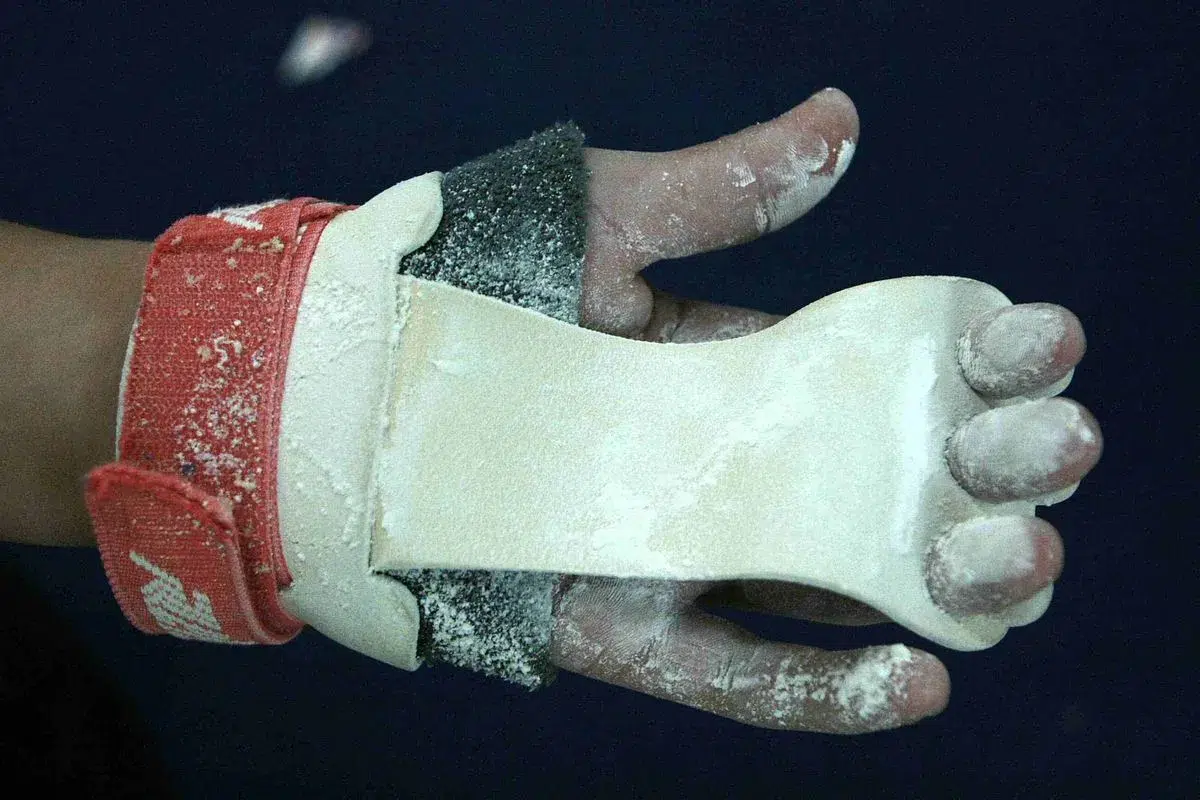
Chalk (magnesium carbonate) improves the friction coefficient between the palm and bar by absorbing moisture (sweat and moisture from the air that makes the bar slippery) and creating a dry, high-friction interface. Unlike straps, chalk does not mechanically secure the hand to the bar; it simply improves the quality of the bare grip by eliminating the lubrication that moisture creates. Chalk benefits virtually all heavy barbell exercises: deadlifts and pulls (where it extends the duration before grip fatigues), squats (where it improves the high-bar grip and prevents bar slipping), bench press (where it improves the grip security during the press), and overhead press. Using chalk for all exercises where sweaty palms reduce grip security, and adding straps only when chalk alone is insufficient to prevent grip failure on the heaviest pulling sets, produces the most balanced approach that develops grip strength while addressing the most critical grip limitations.
Combining All Three: The Optimal Stack
The optimal use of belt, straps, and chalk together depends on the exercise and load. For heavy deadlifts: chalk on hands for all sets to reduce bar moisture, belt for sets above 80 percent of maximum, straps added for the heaviest 2 to 3 work sets when grip would otherwise fail before the posterior chain is adequately fatigued. For heavy squats: chalk on hands for bar grip security, belt for sets above 80 percent of maximum, no straps needed. For heavy rows: chalk on hands, belt for maximum effort sets where spinal loading is significant, straps for heavy work sets. For overhead press: chalk on hands, belt for heavy working sets, no straps. The principle is to use each tool where it addresses a genuine limitation without creating unnecessary equipment dependency where the limitation does not exist. The complete integration of all gear in a training session is covered in our powerlifting gear guide.
Building the Equipment Habit: Starting Right and Scaling Correctly
Many athletes make the mistake of either adopting all equipment simultaneously from the first session or avoiding all equipment until they feel “advanced enough.” Neither approach is optimal. The evidence-based approach is to introduce each tool when it addresses a genuine training limitation that has emerged in your specific training. Start with chalk for any exercise where sweaty palms create bar slippage concerns; this is appropriate from the first session of heavy pulling training. Add a belt when you are regularly training above 80 percent of maximum in squats and deadlifts and want to maximise IAP support at those loads, typically after a few months of building to those intensities. Add lifting straps when you notice grip failing before the target muscles are adequately fatigued in pulling exercises, which typically becomes relevant once pulling loads exceed bodyweight on the barbell. This graduated introduction ensures that each tool is introduced when its benefit is genuine and meaningful, avoiding the false economy of equipment that does not yet address a real limitation and the missed opportunity of avoiding equipment that would meaningfully improve training quality. The lifting straps, powerlifting belt, and chalk together create the complete training equipment foundation that addresses all three primary limiting factors in heavy compound training. Athletes who invest in quality equipment from the beginning of serious training make decisions that compound in value over years of progressive strength development. Refer to our powerlifting gear guide for the complete overview.
Frequently Asked Questions
Can You Use Straps and Chalk at the Same Time?
Yes. Chalk applied to the hands before strapping up improves the friction between the hand and the strap itself, which can improve comfort and security during wrapped pulling exercises. The strap wraps over the chalked palm, and the chalk prevents the strap from slipping during the exercise. Some athletes prefer to apply chalk only to the strap contact area on the palm rather than the full hand when using straps, as excess chalk on the fingers can make the strap feel slippery rather than tacky. Experimenting with chalk application area when using straps determines what combination feels most secure for individual hand geometry and sweat patterns.
Do You Still Need a Belt If You Use a Lifting Belt?
This question contains a typo but the underlying question is whether chalk replaces the belt or straps replace the belt. Each tool addresses a completely different limitation. Chalk improves grip friction and does not affect IAP or spinal stability. Straps address grip fatigue and do not affect IAP. The belt addresses IAP and does not improve grip. No single tool replaces another because they work through different mechanisms on different limiting factors. An athlete deadlifting near maximum load benefits from all three simultaneously: chalk for baseline grip quality, straps for grip endurance through heavy sets, and belt for spinal IAP support during the heaviest pulls.
Every Tool in Its Place. Every Limitation Addressed.
The complete equipment stack for athletes who train without excuses.
Shop Powerlifting BeltShop Lifting StrapsCertified strength and conditioning specialists with over 10 years of experience in powerlifting, nutrition, and evidence-based fitness content. Based in New York City.
The complete weightlifting belt guides answers every belt question in one place: which type suits your training, how to size correctly, how to break in leather, and how to brace with a belt for maximum intra-abdominal pressure.