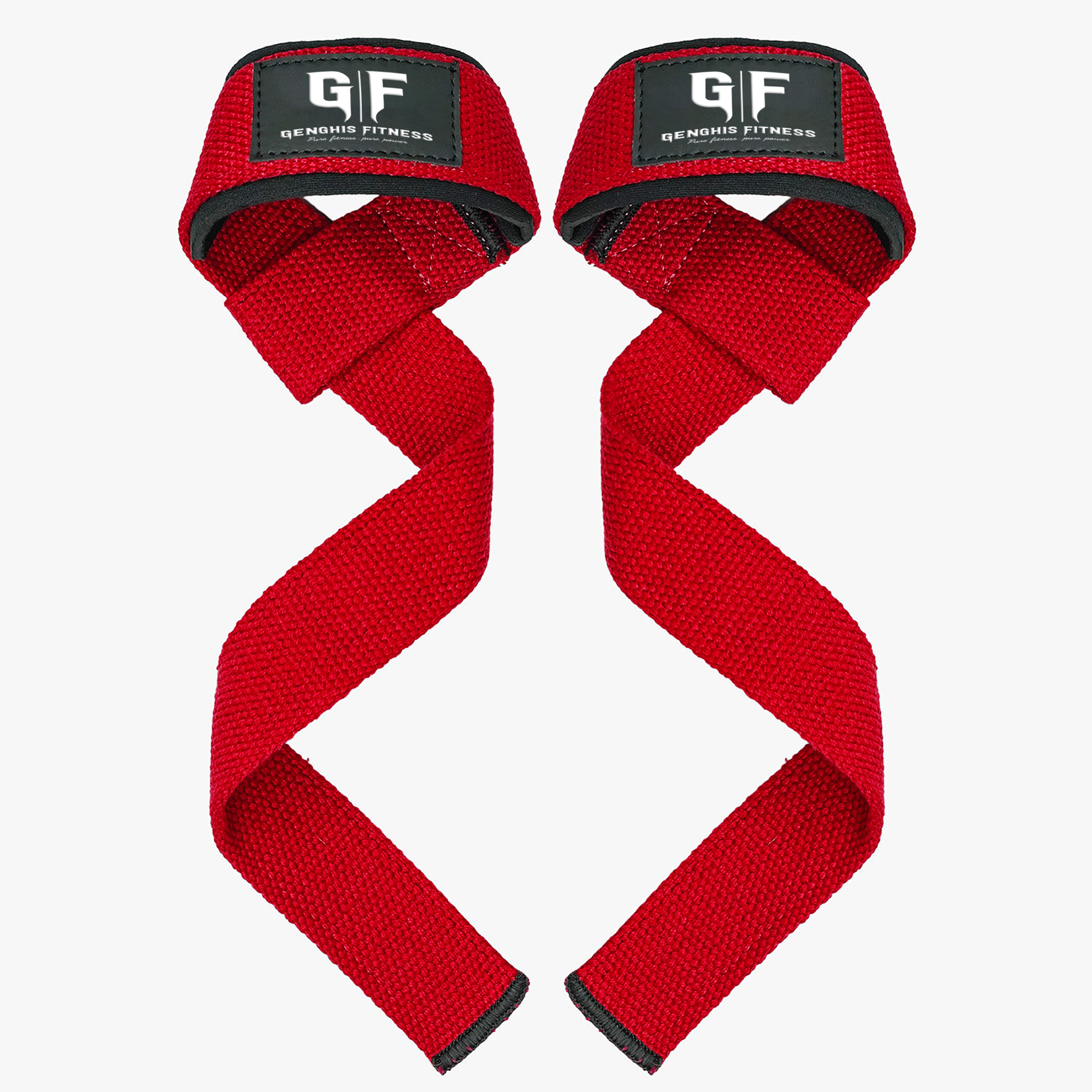
Genghis Fitness · Equipment Maintenance
Cleaning Weight Lifting Straps: Material-Specific Protocols for Cotton, Nylon, and Leather, Preventing Odour, and Extending Strap Life
Updated 2026 | By Team Genghis Fitness | 22 min read
Lifting straps accumulate chalk, sweat, skin oils, and bar residue with every training session. Without regular cleaning, this accumulation degrades the strap material, reduces friction at the bar contact surface, promotes bacterial growth that creates persistent odour, and hardens leather straps that should remain supple. The correct cleaning approach varies significantly by material: the gentle leather-specific protocol that preserves leather oils would leave nylon straps with residue, and the more thorough washing appropriate for cotton would damage leather. This guide covers the material-specific cleaning protocols that extend strap life while maintaining the performance properties each material provides.
Cleaning Cotton and Nylon Straps
Cotton and nylon straps are the most forgiving materials to clean and can tolerate water and mild soap without material damage. After each training session, shake out loose chalk and allow the straps to air dry completely before storage. Do not store straps in a sealed gym bag while still warm and damp from training, as the enclosed humid environment accelerates bacterial growth and material degradation. For weekly cleaning: hand wash with lukewarm water and a small amount of mild liquid soap, working the soap through the bar contact area to remove chalk and sweat residue. Rinse thoroughly with clean water and wring out gently without twisting or wringing forcefully. Lay flat or hang to air dry at room temperature. Machine washing is possible for cotton and nylon straps in a mesh laundry bag on a gentle cold cycle, but air drying rather than tumble drying is essential for both materials: heat from a tumble dryer can shrink cotton and alter the dimensions of the wrist loop, and can degrade nylon fibres at high temperatures. Research on textile care for sporting goods referenced in the Journal of Biomechanics confirms that temperature management during cleaning and drying significantly affects the structural integrity retention of sports textiles over repeated cleaning cycles.
Cleaning Leather Straps
Leather straps require the most careful cleaning approach because both excessive moisture and harsh detergents strip the natural oils from leather fibres, causing progressive stiffening and cracking that shortens strap life. After each training session, wipe the bar contact surface and inner wrist surface with a dry cloth to remove chalk and sweat residue before it dries and becomes embedded in the leather pores. For monthly deep cleaning: use a leather-specific cleaner such as saddle soap applied with a slightly damp cloth, working the cleaner gently into the leather surface without saturating the material with water. Remove the cleaner with a barely damp cloth and allow to air dry completely at room temperature away from direct heat. After cleaning, apply a small amount of neatsfoot oil or commercial leather conditioner to both surfaces to restore the oils that cleaning removes. This conditioning step is critical for leather strap longevity: leather that is cleaned without subsequent conditioning becomes progressively more brittle over time. Never submerge leather straps in water, machine wash them, or expose them to the heat of a tumble dryer. The complete leather care protocol for lifting equipment including straps and belts is in our leather equipment care guide.
Preventing Odour: The Root Cause Approach
Persistent strap odour comes from bacterial growth in the warm, moist environment of stored straps that have not been allowed to dry fully between sessions. The most effective prevention is complete drying before storage, which eliminates the moisture that bacteria require to grow. After each session, unroll the straps completely and hang them or lay them flat in a well-ventilated area until fully dry before putting them away. For athletes who train daily and face time pressure between sessions, a light mist of 70 percent isopropyl alcohol on the fabric surfaces (not on leather) after training and before drying kills surface bacteria without the full cleaning process. For straps that have developed persistent odour despite regular cleaning, a soak in a dilute white vinegar solution (1 part vinegar to 4 parts water) for 20 minutes, followed by thorough rinsing and complete air drying, neutralises the bacteria responsible for the odour in cotton and nylon straps. Leather straps with odour should be treated with a leather deodoriser product specifically designed for sports leather rather than with vinegar, which can damage the leather surface.
How Cleaning Affects Strap Performance Over Time
Regular cleaning maintains the bar friction performance of both cotton and leather straps by removing the chalk accumulation that, paradoxically, reduces friction when it builds up in thick layers by creating a dusty, slippery coating over the base material surface. A lightly chalked strap performs better than a heavily chalk-saturated strap because the thick chalk layer fills in the texture of the strap material and reduces contact adhesion with the bar. Regular cleaning that removes this chalk buildup restores the natural friction of the strap material at the bar contact surface. For leather straps, regular conditioning that maintains leather suppleness also preserves the leather surface texture that contributes to friction against steel. The complete maintenance schedule integrating strap cleaning with other training equipment care is covered in our equipment maintenance guide. Pairing clean, well-maintained lifting straps with a properly maintained lifting belt ensures that all training equipment performs at its best across every training session.
Integrating Strap Cleaning Into the Post-Training Routine
The most effective cleaning approach is integrating the post-session dry routine into the existing post-training workflow rather than treating it as a separate task. Unrolling straps and hanging them alongside the rest of the training kit immediately after returning home from the gym takes under a minute and prevents the bacterial growth and material degradation that result from sealed storage while still damp. A monthly equipment maintenance session covering straps alongside wrist wrap washing, knee sleeve cleaning, and leather belt conditioning creates a complete maintenance routine that keeps all training accessories in optimal condition simultaneously. Athletes who maintain their full equipment kit systematically extend the functional life of every accessory, reduce total equipment replacement costs, and ensure that performance-relevant properties like leather strap friction and neoprene sleeve compression remain fully functional across every training session throughout the year.
Frequently Asked Questions
How Often Should You Clean Lifting Straps?
A post-session shake-out and air dry after every session prevents the accumulation that makes deep cleaning necessary more than once per month. A full washing with soap and water (cotton and nylon) or saddle soap and conditioning (leather) should be performed monthly for athletes training 4 or more sessions per week. Athletes training 2 or fewer sessions per week may find every 6 to 8 weeks adequate for full cleaning if the post-session dry routine is followed consistently. If straps develop odour between scheduled cleaning sessions, the drying routine should be improved or the cleaning frequency increased to address the bacterial growth that has established itself in the material.
Can You Use Disinfectant Wipes on Lifting Straps?
Disinfectant wipes containing isopropyl alcohol (most gym disinfectant wipes) can be used on cotton and nylon straps for a quick post-session clean between full washing sessions. They are not appropriate for leather straps because the alcohol content strips leather oils and accelerates brittleness with repeated use. For leather straps, a dry cloth wipe followed by occasional neatsfoot oil conditioning is the correct regular maintenance approach. Bleach-based disinfectants should never be used on any strap material as they degrade both textile fibres and leather rapidly.
Clean Straps. Consistent Friction. Sessions That Never Smell.
A 2-minute post-session routine that extends strap life by months.
Shop Lifting StrapsShop Leather StrapsCertified strength and conditioning specialists with over 10 years of experience in powerlifting, nutrition, and evidence-based fitness content. Based in New York City.