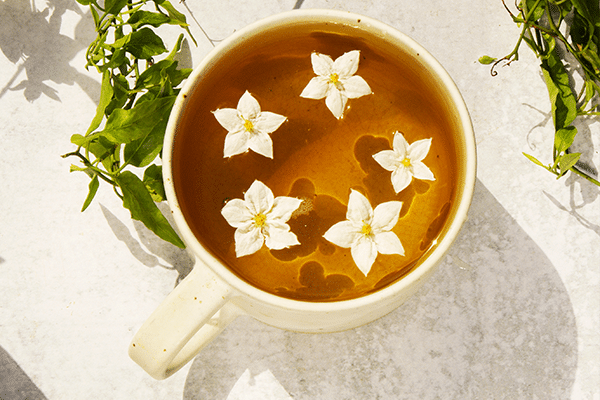
Health Benefits of Jasmine Tea: Antioxidants, Calm, and Real Science Behind the Aroma
Jasmine tea is not a single type of tea. It is a scented tea, which means it starts as a base of green, white, or oolong tea and then undergoes a traditional scenting process where fresh jasmine blossoms are layered with the tea leaves repeatedly over several days until the leaves absorb the floral fragrance. The result is a tea that combines the health profile of its base tea with the aromatherapeutic and potentially bioactive compounds from jasmine flowers.
In China, where jasmine tea has been produced for over a thousand years, it is consumed as an everyday drink without much ceremony. In the US and across Europe, it has become increasingly popular as both a health-conscious beverage and a fragrant alternative to plain green tea. Understanding what is actually in jasmine tea and what the research says helps you decide how it fits into your routine.
What Jasmine Tea Actually Contains
The health properties of jasmine tea come from two sources: the base tea and the jasmine flowers. The base tea, most commonly green tea, contributes catechins including EGCG, caffeine, L-theanine, and a broad range of polyphenols. The jasmine flowers contribute linalool and other volatile aromatic compounds that have shown measurable physiological effects in human studies.
Research on jasmine aromatherapy and jasmine consumption indexed on PubMed has found that linalool, the primary aromatic compound in jasmine, has anxiolytic effects through interaction with GABA receptors in the central nervous system. A study examining the effects of inhaling jasmine aroma found significantly reduced heart rate and a shift toward a calm, positive mood state compared to control conditions. The combination of L-theanine from the green tea base and linalool from the jasmine creates a synergistic calming effect that neither ingredient delivers as effectively alone.
Antioxidant Profile
Because most jasmine tea is built on a green tea base, it inherits the full antioxidant profile of green tea, including EGCG, epicatechin gallate, and quercetin. These compounds are among the most extensively studied plant-based antioxidants in the scientific literature. They reduce oxidative stress, support cardiovascular health, and contribute to the body’s management of chronic low-grade inflammation.
The scenting process does not meaningfully degrade the catechin content of the base tea. Studies comparing unscented green tea and jasmine green tea show comparable polyphenol levels, meaning you get the full antioxidant benefit of the green tea base alongside the aromatic compounds from the jasmine. For athletes generating significant oxidative stress through high-volume or high-intensity training, any beverage that reliably delivers this antioxidant load multiple times daily is worth including.
Calming Effects and Stress Management
The L-theanine in the green tea base promotes alpha wave activity in the brain, which is associated with a state of relaxed alertness. You get calm focus without sedation, which is why green tea has a very different cognitive feel from coffee despite sometimes containing comparable caffeine. When you add the linalool from jasmine on top of this, the combined effect is noticeably more calming than plain green tea for most people.
For serious athletes, managing psychological stress between sessions matters as much as managing physical load. Chronically elevated cortisol from unmanaged psychological stress impairs recovery, disrupts sleep, and suppresses immune function. Building deliberate calm into your day through something as simple as a cup of jasmine tea in the afternoon is a low-effort, high-return habit. Pair it with proper recovery gear like knee sleeves for the joints taking the most daily load.
Caffeine Content and Timing
Jasmine tea made on a green tea base contains roughly 25 to 35 milligrams of caffeine per cup, similar to regular green tea. This is low enough to drink in the early afternoon without significantly affecting sleep for most people. If the jasmine tea is made on a white tea base, the caffeine level drops to around 15 to 25 milligrams per cup. Jasmine tea made on herbal tea bases contains no caffeine at all, though these are less common and do not provide the catechin benefits of Camellia sinensis.
The caffeine in jasmine green tea is accompanied by L-theanine, which modulates the stimulant effect and produces a more even, sustained energy response compared to the same amount of caffeine from coffee. This makes jasmine green tea a particularly good option for a mid-morning or early afternoon drink when you want mild cognitive support without the jitteriness that some people experience from coffee.
Digestive Health Benefits
The polyphenols in jasmine tea, particularly the catechins from the green tea base, have shown prebiotic-like effects in the gut microbiome. They selectively support the growth of beneficial bacteria including Lactobacillus and Bifidobacterium while inhibiting the growth of harmful pathogens. A healthy gut microbiome is increasingly linked in the research literature to better immune function, improved mood through the gut-brain axis, and more efficient nutrient absorption.
Drinking jasmine tea regularly after meals has a long tradition in East Asian cultures as a digestive aid. The warm liquid, the slight bitter edge of the catechins, and the antispasmodic properties of linalool all contribute to a sense of digestive ease after eating. For people who experience post-meal sluggishness or mild bloating, replacing a dessert drink with jasmine tea is worth trying for a few weeks to assess the difference.
How to Brew Jasmine Tea Properly
Use water at 175 to 185 degrees Fahrenheit for jasmine green tea. Boiling water scalds the catechins and destroys the delicate jasmine fragrance compounds, producing a flat, bitter cup. Use one heaped teaspoon of loose leaf jasmine tea per cup and steep for two to three minutes. A good quality jasmine tea can be resteeped two to three times, with each infusion bringing out different aspects of the flavor.
High-quality jasmine tea, the kind scented through the traditional layering process rather than sprayed with jasmine extract or artificial flavoring, produces a noticeably rounder, more complex aroma that develops in the cup as it cools slightly. Look for jasmine pearls or jasmine dragon phoenix pearls, which are hand-rolled and are widely considered among the finest jasmine teas available in US and European specialty tea markets.
Choosing Quality Jasmine Tea
The quality difference between genuine traditionally-scented jasmine tea and artificially flavored jasmine tea bags is significant. Cheap jasmine tea bags are typically low-grade tea dust sprayed with jasmine fragrance oil or artificial jasmine flavor. The aroma is sharp and synthetic, and the health properties of the base tea are minimal because dust-grade tea has very low polyphenol content.
Seek out loose leaf jasmine tea from specialty tea vendors who describe their sourcing and scenting method. Fujian Province in China is the primary production region for premium jasmine tea. Buying from vendors who provide this level of detail is a reliable indicator of product quality. The same principle applies to every purchase decision: knowing what you are getting and why it costs what it costs is how you consistently get value. Whether it is tea or training equipment, quality powerlifting gear and quality accessories both reward the same kind of informed choosing.
Jasmine Tea vs Other Green Teas
Plain green tea and jasmine green tea deliver similar polyphenol profiles, but jasmine tea adds the calming aromatherapeutic dimension that plain green tea lacks. For someone who finds the grassy, sometimes astringent flavor of plain green tea unappealing, jasmine green tea is a gateway into the broader health benefits of green tea through a more pleasant sensory experience. The floral aroma makes the act of drinking the tea itself more relaxing, which compounds the chemical calming effects from L-theanine and linalool.
Jasmine tea also tends to be more forgiving in brewing than plain green tea. The floral scenting partially masks any bitterness that results from slightly over-steeping or using water that is a bit too hot. This makes it a more practical everyday option for people who do not want to be precise about their water temperature every time they make a cup.
FINAL WORDS
Jasmine tea delivers the full antioxidant profile of green tea alongside genuine calming aromatherapeutic effects from the jasmine flowers. The L-theanine and linalool combination is one of the more compelling natural stacks for calm focus and stress management available in a cup. Drink it mid-morning or early afternoon, brew it at the right temperature, and source it from a vendor who knows what they are selling. Everything you do in service of recovery and performance adds up, and jasmine tea is one of the easier and more enjoyable additions to make.
Certified strength and conditioning specialists with over 10 years of combined experience in powerlifting, nutrition coaching, and evidence-based fitness content. Based in New York City, the Genghis Fitness team tests every protocol in the gym before writing about it.