Genghis Fitness · Equipment and Deadlift Training
Lifting Straps for Deadlifts: When to Use Them, Which Type Works Best, How to Wrap for Maximum Security, and the Grip Training Balance
Updated 2026 | By Team Genghis Fitness | 22 min read
The deadlift is the exercise where lifting straps provide their most significant performance benefit and where the decision about when and how to use them most directly affects both training quality and grip strength development. At loads approaching and exceeding bodyweight, grip failure before the posterior chain is adequately trained is a genuine training limiter for most athletes, and strap use at these loads allows the target muscles to be trained to a higher quality stimulus. The key is using straps strategically: selectively at the loads where grip is the genuine bottleneck, while preserving unassisted training for the lighter sets that develop the grip strength the sport and daily life demands.
When Straps Are Genuinely Needed for Deadlifts
Straps become genuinely valuable for deadlifts when grip failure consistently limits the training stimulus before the posterior chain muscles reach adequate fatigue. A reliable indicator: if the grip fails before you complete the planned rep count on your working sets, and this happens consistently across multiple sessions rather than only on days when grip is unusually fatigued, straps should be added for those sets. For most athletes, this threshold falls between 80 and 90 percent of maximum deadlift load. Warming up without straps (lighter sets develop grip strength while warming up the posterior chain) and using straps only for the 2 to 3 heaviest work sets is the optimal practice that develops grip strength alongside posterior chain strength rather than eliminating grip training entirely. Research on grip assistance in deadlift training published in the Journal of Strength and Conditioning Research confirmed that strap-assisted deadlifts allow significantly greater training volume before grip failure, supporting the use of straps for the heaviest working sets.
Which Strap Type Is Best for Deadlifts
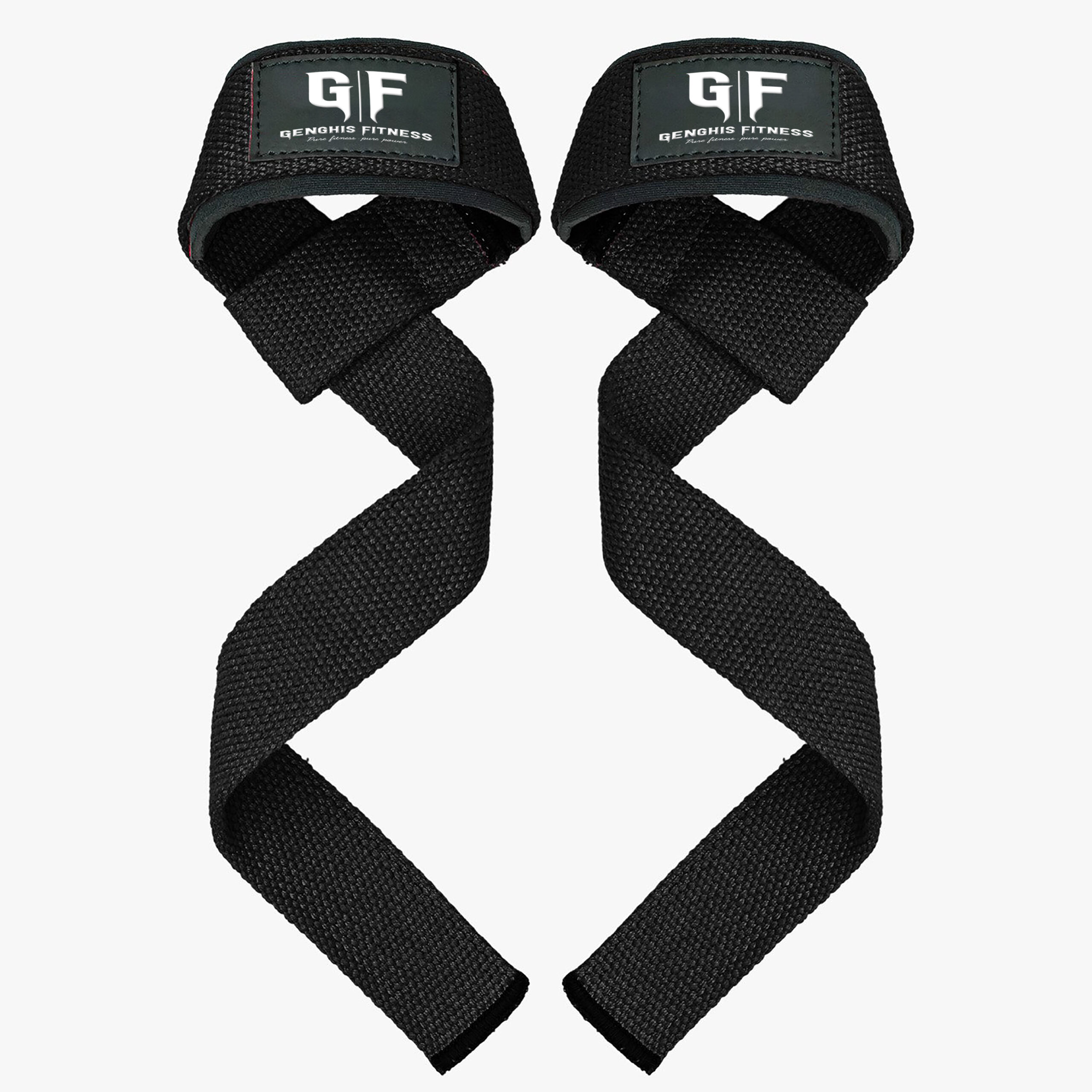
For conventional deadlifts at loads from heavy training weight to near-maximum, quality loop straps in leather or nylon provide the best combination of security and natural movement accommodation. The loop strap allows the slight bar rotation that occurs during the deadlift pull to be accommodated without restriction, maintaining the natural mechanics of the movement. The leather lifting straps provide the most locked-in feel at the heaviest loads, while the standard lifting straps provide equivalent performance for moderate to heavy training loads. For rack pulls and maximum-load deadlift attempts above 200 to 220 kg where the loads significantly exceed grip capacity, figure-8 straps provide the mechanical lock that eliminates any possibility of strap slippage under extreme tension.
Wrapping Technique for Deadlift Security
The wrapping technique for deadlifts requires particular attention because the load is pulling directly downward through the full range of the pull, creating the maximum strap tension of any pulling exercise. The correct technique: thread the strap loop over the wrist with the tail emerging from the thumb side. Position the hands in the normal deadlift grip. Pass the strap tail under the bar from front to back, then over the top and continue wrapping for 2 to 3 passes. Roll the wrists over the bar to tighten the wraps against the bar surface. Grip the bar through the straps to add finger friction to the mechanical strap security. Check that both straps feel equally tight before initiating the pull. An unequal tightness between the two hands can cause a slight asymmetry in the pull that creates spinal rotation under load. The complete deadlift technique guide including common errors and their corrections is in our deadlift errors guide.
Maintaining Grip Strength While Using Deadlift Straps
The most important programming consideration for athletes who use straps for deadlifts is ensuring that enough unassisted deadlift work is maintained to continue developing grip strength. Dedicated grip training exercises including farmer carries, barbell holds at lockout, and thick bar deadlifts can supplement the grip stimulus that strap use partially removes from heavy deadlift training. Athletes who use straps exclusively for all deadlift sets and perform no other grip training gradually lose the grip strength that was their natural limiter, which can create problems in competition deadlifts performed without straps, in other grip-demanding sports activities, and in daily life strength demands. The balanced approach is to use straps only for the heaviest 2 to 3 work sets, leave all warm-up and moderate sets unstrapped, and include explicit grip exercises 2 to 3 times per week alongside the strap-assisted heavy pulling. The complete grip strength training framework is in our grip strength guide. Pairing lifting straps with a powerlifting belt for the heaviest deadlift sets addresses both grip and spinal support simultaneously in a complete heavy pulling equipment setup.
Straps as Part of a Complete Deadlift Session Equipment Setup
Lifting straps for deadlifts deliver their maximum benefit as one component of a complete deadlift session equipment setup that addresses all the primary limiting factors together. A powerlifting leather belt for the heaviest sets provides the intra-abdominal pressure support that protects the lumbar spine under the high compressive loads of near-maximum deadlifts alongside the grip assistance that straps deliver. Chalk on the hands before strapping up improves the friction between hand and strap material and reduces any tendency for the hand to shift within the strap cuff during the heaviest pulls. Practising the complete equipment setup in training, with belt and straps applied consistently for the heaviest sets and left off for lighter work, builds the competition-specific habit that makes equipment use automatic rather than effortful under competition pressure. For Romanian deadlifts at high rep ranges where grip fatigue consistently cuts sets short before the hamstrings are adequately fatigued, straps allow the full planned training stimulus to be delivered without the session quality being compromised by a limiting factor in the wrong muscle group. The complete deadlift programming guide with technique cues and equipment integration is at our deadlift errors guide. The specific strap types for different deadlift loads and variations are in our strap types guide.
Frequently Asked Questions
Do Straps Help More on Sumo or Conventional Deadlift?
Straps benefit both sumo and conventional deadlift equally in terms of the grip assistance they provide. The wrapping technique is identical for both stances. Sumo deadlifts typically involve a wider grip width that may create slightly different strap geometry around the bar, but this is a minor consideration that does not affect strap selection. The decision to use straps is based on load and grip capacity rather than stance variation.
Should You Use Straps for Romanian Deadlifts?
Yes. Romanian deadlifts (RDLs) are one of the most valuable exercises for using straps because the exercise demands sustained grip hold throughout the lengthened hamstring position, and grip often fails before the hamstrings are adequately trained in high-rep sets. Using straps for RDL sets of 10 to 15 reps at heavy loads allows the hamstrings to be trained to full fatigue without the hand cramping and finger fatigue that affects unstrapped high-rep RDL sets for many athletes. The RDL also involves no sudden bar release, making the fixed strap connection safe for this specific exercise.
Pull More. Train the Posterior Chain Harder. Leave Nothing in the Tank.
Straps that let the back do the work the back is there to do.
Shop Lifting StrapsShop Figure-8 StrapsCertified strength and conditioning specialists with over 10 years of experience in powerlifting, nutrition, and evidence-based fitness content. Based in New York City.
DEADLIFT GEAR THAT MAKES THE DIFFERENCE
Stop losing reps to grip failure. The right straps and belt keep you pulling heavier, longer.
10mm Lever Belt Weight Lifting Hooks