Genghis Fitness · Equipment and Comfort
Padded Weight Lifting Straps: How Wrist Padding Works, Who Benefits, Padded vs Standard Straps, and What to Look For
Updated 2026 | By Team Genghis Fitness | 22 min read
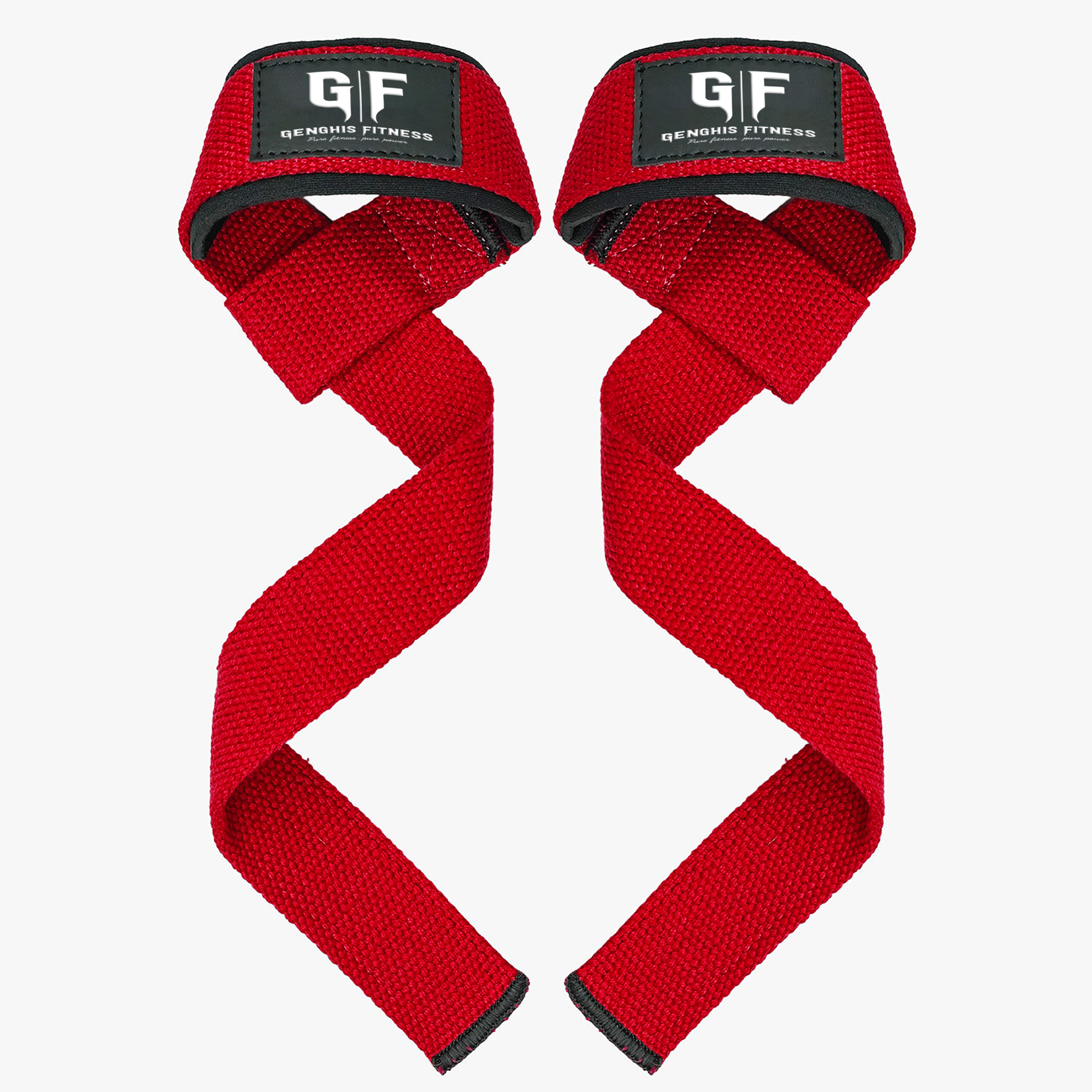
Padded lifting straps add a neoprene or foam padding layer to the wrist cuff section of the strap, distributing the compressive force of the strap loop across a larger wrist surface area. For athletes who find standard straps uncomfortable due to the strap edge pressing into the wrist bones during heavy pulling, or whose training volumes are high enough that strap wear over multiple sets becomes a significant comfort concern, padding provides a meaningful improvement to training experience. Understanding what padded straps add, what they do not add, and when the padding is worth the typically higher cost over standard straps allows athletes to make informed purchasing decisions.
How Wrist Padding Works
Standard lifting straps create concentrated pressure along the strap edges at the ulna and radius wrist bones when heavy loads pull the strap tight against the wrist. The concentration of this pressure at the strap edges rather than across the full wrist contact area is the primary source of the discomfort that some athletes experience with standard straps at heavy loads or high volumes. Padded straps add a neoprene or dense foam insert that increases the contact area between the strap and wrist, distributing the same total load across a larger surface area and reducing peak pressure per unit area. Research on compressive pressure distribution in sports equipment referenced in the Journal of Biomechanics confirms that increased contact area consistently reduces peak pressure and associated discomfort under equivalent loads, supporting the functional rationale for padded wrist cuffs in lifting straps. The padding benefit is most apparent at heavy loads and during high-volume training sessions with many strap-assisted sets.
Padded vs Standard Straps: The Real Comparison
Padded straps provide better comfort for the wrist during heavy training but do not improve the grip assistance function of the strap. The strap tail that wraps around the bar is identical in padded and standard versions; only the wrist cuff area differs. Athletes who find standard straps fully comfortable at their training loads do not benefit meaningfully from padded versions and are better served by investing the cost difference in strap material quality (leather versus cotton) or strap design (figure-8 for maximum loads). Athletes who experience wrist discomfort from standard straps at the loads they train benefit genuinely from the padded version. The padding also provides mild warmth at the wrist joint during training, which some athletes find supportive for wrist health during sustained heavy pulling sessions. The Genghis Fitness lifting straps provide the standard option, while padded versions are available for athletes who prefer the additional comfort layer.
Who Benefits Most from Padded Straps
Padded lifting straps benefit three specific athlete profiles. First, athletes with bony wrist prominences (thin-wisted athletes with prominent ulna and radius bones that create concentrated pressure points) who find standard straps uncomfortable regardless of material or tightness adjustment. Second, high-frequency training athletes who perform 20 or more sets of strap-assisted pulling per week, for whom accumulated strap wear across many sets creates significant wrist irritation that padding substantially reduces. Third, athletes returning from wrist injuries who need to maintain pulling training but find the compression of standard straps aggravates the injury site; padded straps distribute the load more gently around the wrist. For athletes who train at moderate frequency with no current wrist sensitivity, standard straps provide equivalent grip assistance at lower cost and the padding investment is not functionally justified.
Padding Material and Durability
Padded strap quality varies significantly with the density and durability of the padding material. Neoprene padding at 5 to 8 mm thickness provides the best combination of effective pressure distribution and durability under repeated compression; it resists permanent deformation better than foam alternatives and maintains its cushioning properties across hundreds of training sessions. Low-density foam padding compresses to near-flat within weeks of regular heavy use, eliminating the padding benefit and leaving the athlete with a standard strap at padded strap cost. When evaluating padded straps, press the wrist cuff padding firmly between your fingers: quality neoprene resists compression with firm springback; inadequate foam compresses with minimal resistance. The padding should remain visibly present and functionally springy after being pressed. The complete strap selection framework covering all strap types and materials is in our strap types guide.
Padded Straps in a Complete Grip Assistance and Wrist Protection Setup
Padded lifting straps are most valuable when understood as one component of a complete wrist and hand protection setup that addresses the different demands of pulling and pressing exercises within the same training session. For the heaviest pulling exercises where maximum bar security is the priority alongside wrist comfort, padded straps combine the comfort benefit of distributed pressure with the grip assistance function that all strap designs share. For pressing exercises in the same session where wrist joint stabilisation is the protective need rather than grip assistance, wrist wraps provide the joint-specific support that lifting straps are not designed to deliver. Athletes who train both heavy pressing and heavy pulling within the same session benefit from having padded straps in the training bag for the pulling work and wrist wraps for the pressing work, covering both the pulling grip assistance and the pressing wrist protection needs within a single comprehensive session. A powerlifting belt for the heaviest compound movements in both portions of the session addresses the intra-abdominal pressure support need that applies equally to heavy pressing and pulling at near-maximum loads. Athletes who build this complete equipment stack proactively rather than reactively ensure that comfort and joint protection limitations never become the reason a training session delivers less than its planned stimulus. The complete comparison of all strap types and materials is in our strap types guide.
Frequently Asked Questions
Are Padded Straps Better for Beginners?
Not necessarily better, but potentially more comfortable for beginners who have not yet developed the wrist callusing and adaptation that experienced strap users have. Beginners tend to find strap contact more noticeable than experienced athletes whose wrists have adapted to strap wear over months of training. Padded straps can make the early strap use experience more comfortable, reducing the likelihood that initial discomfort discourages consistent strap use before the adaptation period completes. However, the functional grip assistance is identical to standard straps, and beginners who train at moderate loads where padding benefit is smallest may find standard straps perfectly comfortable from the first session.
Do Padded Straps Affect Wrapping Technique?
The padding on the wrist cuff section does not affect the strap tail or wrapping technique in any meaningful way. The wrapping process is identical to standard straps: form the wrist cuff, position on the wrist, and wrap the tail around the bar for 1 to 3 passes. Some athletes find that thicker padded cuffs require slightly more attention to ensure the cuff sits fully over the wrist bones without riding up the forearm, but this is a minor adjustment that takes one or two sessions to establish as habit.
Comfort That Holds Heavy. Session After Session.
Padding that distributes load. Straps that hold your heaviest pull.
Shop Lifting StrapsShop Leather StrapsCertified strength and conditioning specialists with over 10 years of experience in powerlifting, nutrition, and evidence-based fitness content. Based in New York City.