Powerlifting & Weightlifting Belts
A lifting belt is not a crutch. It is a tool that increases intra-abdominal pressure, protects the lumbar spine under maximum loading, and lets you push harder on the movements that build the most strength. This page covers every belt in the Genghis Fitness lineup, the differences between closure types and materials, and how to choose the right belt for your training stage and goals.
Shop by Belt Type
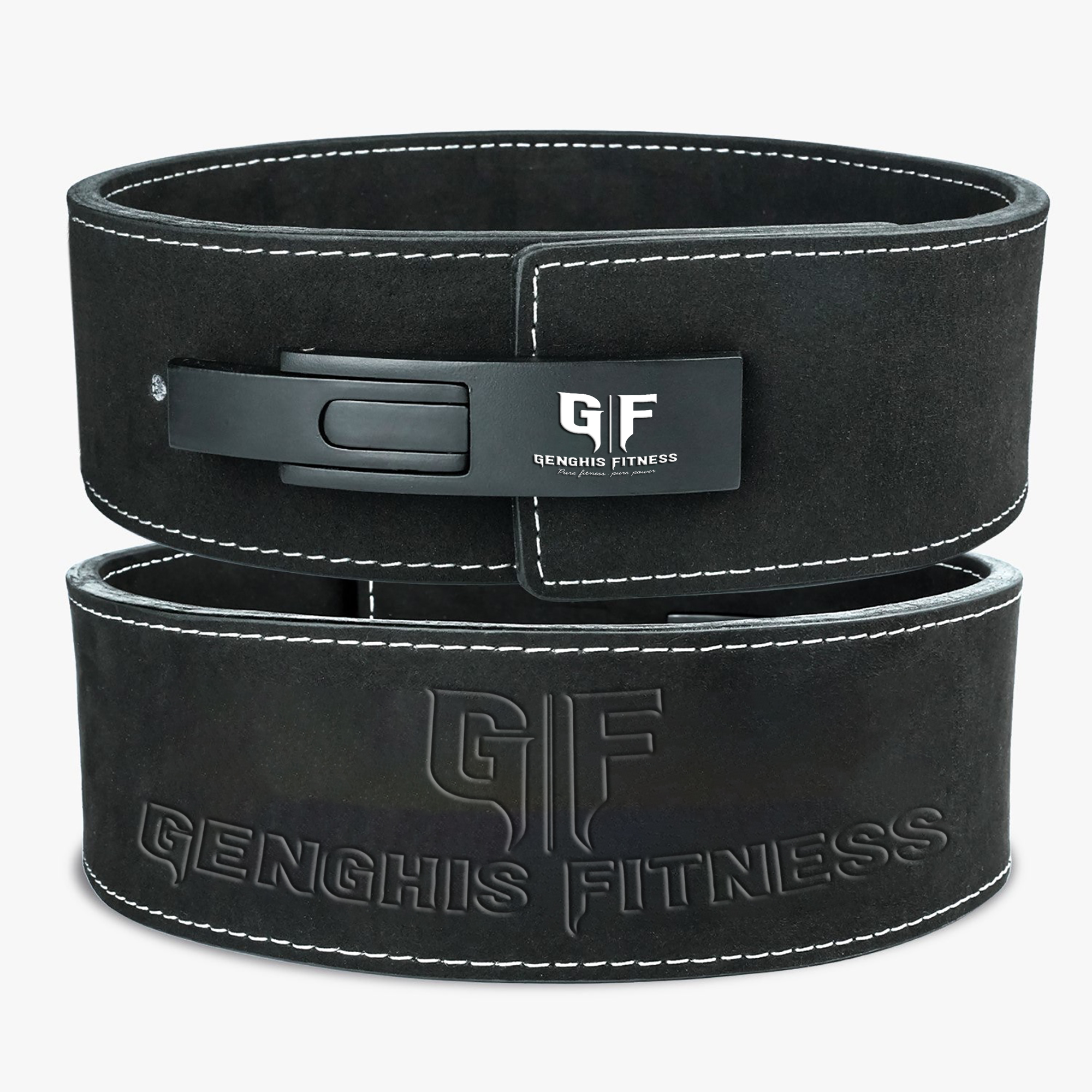
10mm Lever Belt | Full-Grain Leather Powerlifting
USAPL and IPF approved. One-motion lever closure, uniform 4-inch width, suede lining. The competition standard.
From $120 — View →
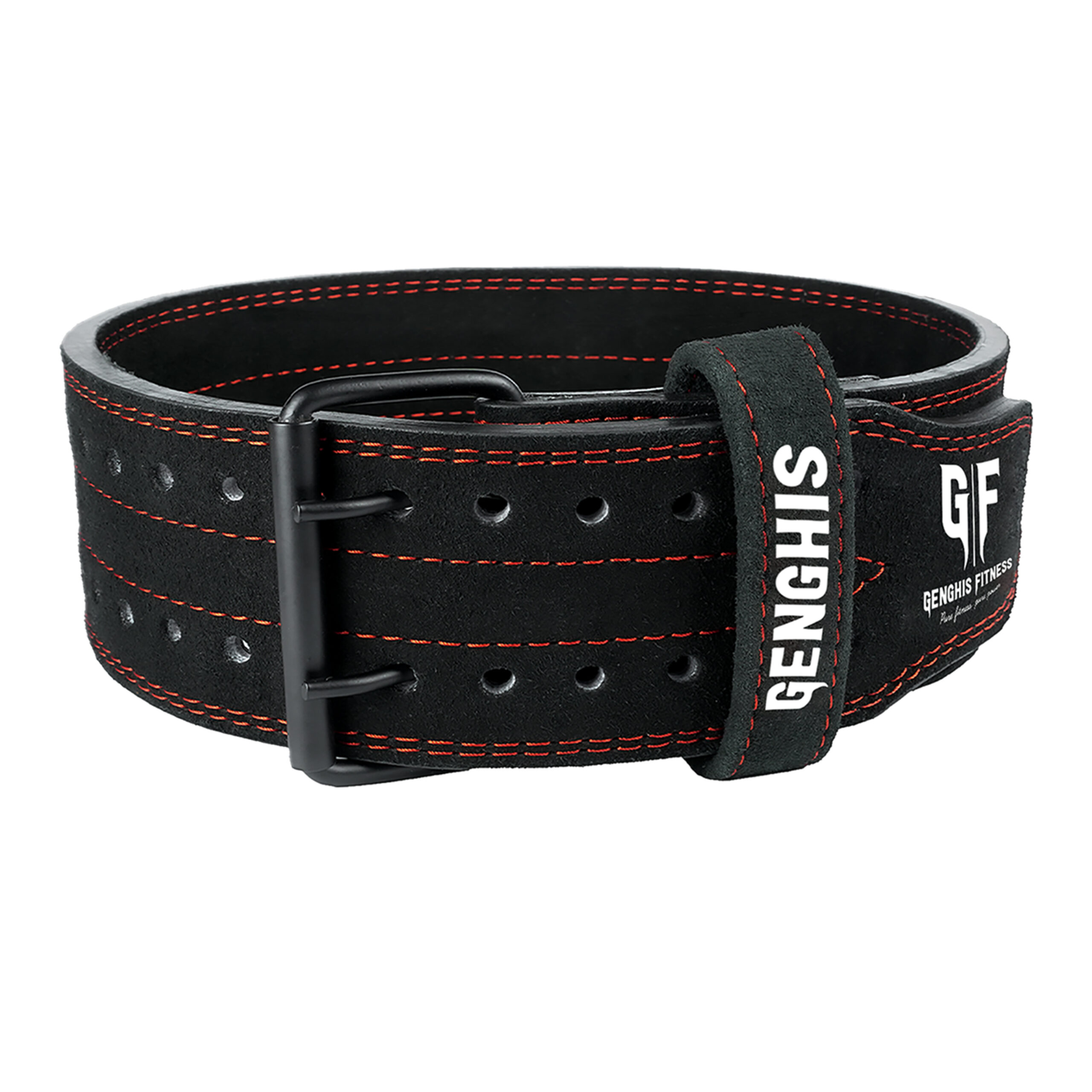
Powerlifting Leather Belt | 10mm Single-Prong
10mm full-grain leather, single-prong steel buckle. Universally federation-legal. Competition-grade for raw powerlifting.
From $120 — View →
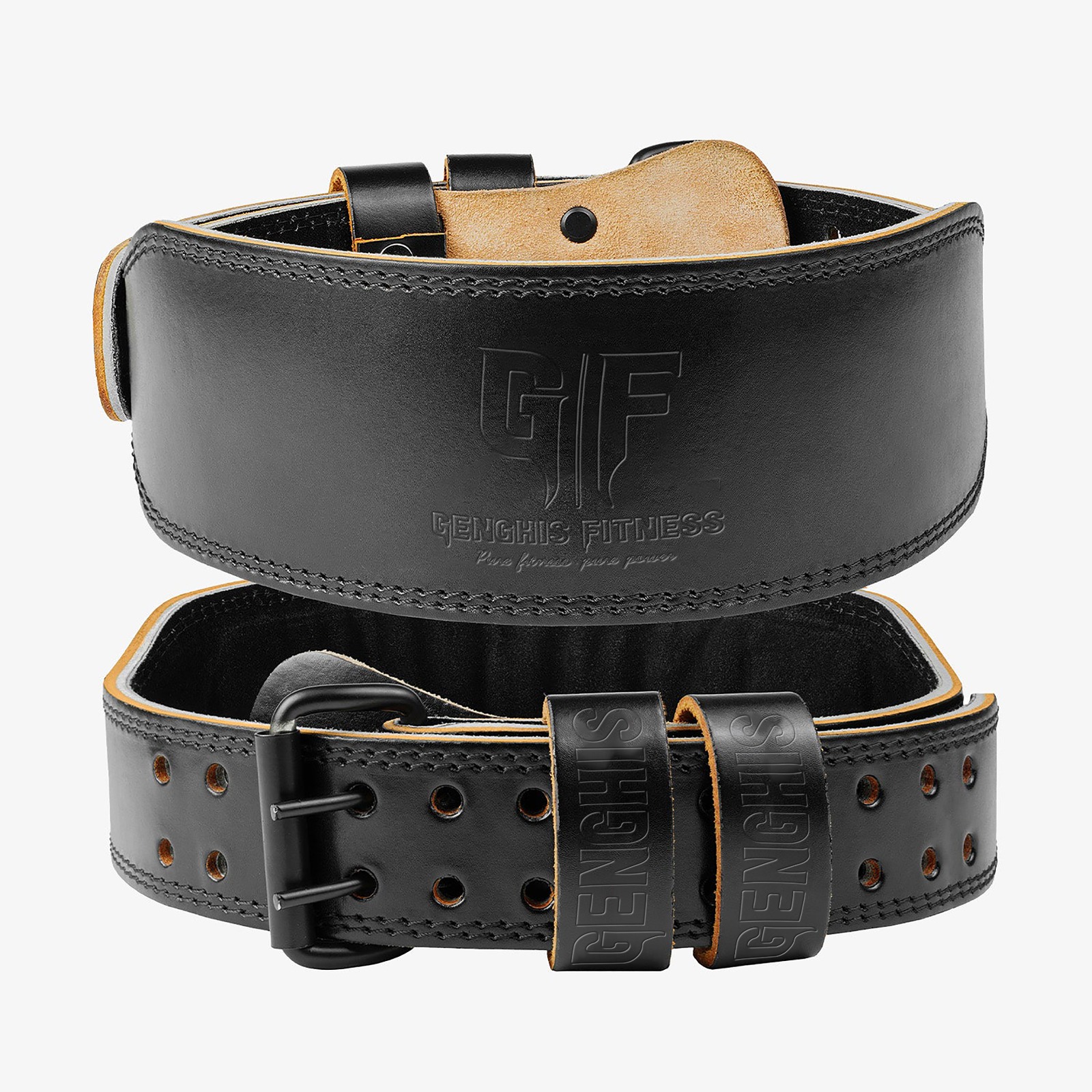
4-Inch Leather Weightlifting Belt | Single-Prong
Genuine leather, single-prong. Solid entry point into leather belt training without the lever premium.
From $50 — View →

Neoprene Weightlifting Belt | Hook and Loop Closure
Flexible neoprene, double hook-and-loop. No break-in, fast application. Ideal for CrossFit and Olympic lifting.
From $22 — View →

4-Inch Nylon Lifting Belt | Auto-Lock
Nylon webbing with stainless auto-lock buckle. Continuous adjustment, zero break-in. The practical training belt.
From $26 — View →
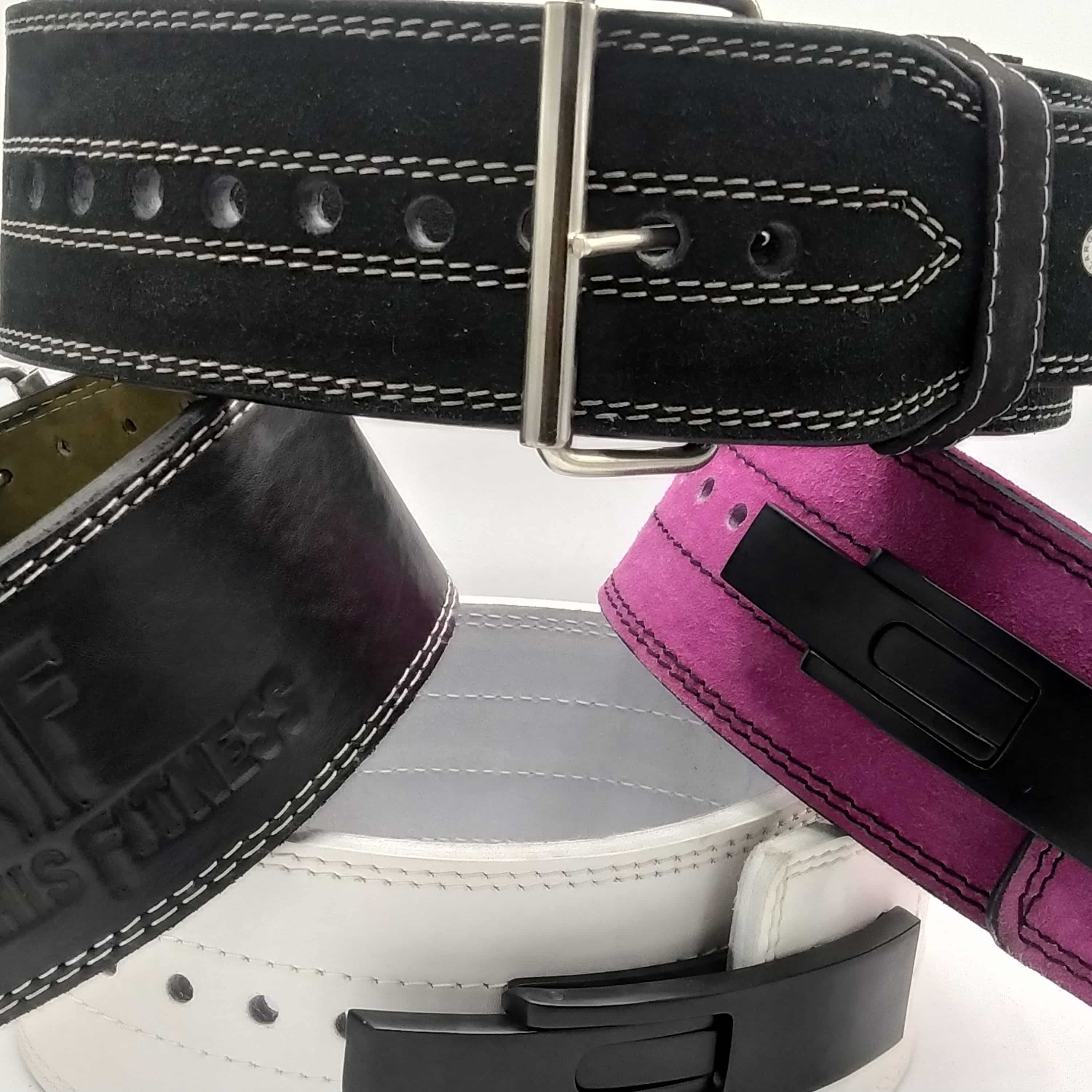
Custom Designed Lifting Belts | Personalized
Full-grain leather built to your exact specification. Color, stitching, closure, and personalized text. 4-6 week lead time.
From $200 — View →
Which Belt Do You Need?
The right belt depends on three things: your training intensity, your competition goals, and how much you want to deal with a break-in period. Here is the direct comparison across the five core closure and material types available in the Genghis Fitness lineup.
| Belt Type | Best For | Break-In | Fed Legal | Price |
|---|---|---|---|---|
| 10mm Lever Belt | Powerlifting competition, max training loads | 2-4 weeks | IPF / USAPL | $120 |
| Prong Leather Belt | Competition, universal federation compliance | 2-4 weeks | All major feds | $120 |
| 4″ Leather Belt | Intermediate strength training, heavy squats | 2-3 weeks | Most feds | $50 |
| Neoprene Belt | CrossFit, Olympic lifting, varied training | None | Training only | $22 |
| Nylon Belt | Beginners, everyday strength training | None | Training only | $26 |
How a Lifting Belt Actually Works
A lifting belt increases intra-abdominal pressure. When you breathe into your belly and brace your core against the belt before a heavy squat or deadlift, the rigid surface of the belt gives your contracted abdominal and lower back muscles something to push against. This creates a column of pressurized air in your core that stabilizes the lumbar spine far more effectively than unassisted muscular bracing alone.
This is why belt thickness matters. A 10mm leather belt is rigid enough to provide a stable bracing surface at your true one-rep maximum. A flexible neoprene belt provides some benefit but compresses under maximum load, reducing the pressure differential that makes the mechanism work. For moderate-intensity training at 60 to 75 percent of your maximum, this difference is negligible. At competition loads above 90 percent, it becomes the difference between a quality support tool and a placebo.
When to Start Using a Belt
Most coaches recommend introducing a belt when your squat and deadlift working sets consistently exceed 80 percent of your one-rep maximum for multiple sets. Before that threshold, training without a belt builds the core stability and bracing patterns that make belt use effective later. Using a belt before you understand how to brace reduces the benefit because the belt enhances bracing you already know how to create rather than compensating for a skill you have not developed.
If your current maximum squat is 300 pounds, start using a belt when your working sets reach 240 pounds or above. For most intermediate lifters, this means the belt comes out for your heaviest sets in each session and stays in the bag for warm-ups and lighter accessory work.
Belt Sizing — The One Rule That Matters
Measure your waist at navel height while relaxed, not flexed. Choose the size where your normal training tightness falls on the middle hole of the five-hole row. This gives you two holes tighter for squats, two holes looser for deadlifts when you need hip flexion freedom, and room for minor weight changes across a training year. If your measurement puts you between sizes, order the smaller size for leather belts because the leather stretches and conforms to your torso over the first four to six weeks of training.
Free US Shipping on Orders $100+
30-day return window. All belts ship from New York. Shipping policy →
WEIGHTLIFTING BELTS
167 guides covering every weightlifting belt question: which type fits your training, how to size correctly, how to brace properly, and which belt lasts. From your first belt to competition-grade leather — everything you need to make the right choice.
A weightlifting belt is not optional equipment for anyone training at serious loads. It is the tool that lets you create maximal intra-abdominal pressure, protect the lumbar spine under heavy compressive loading, and train the posterior chain at the loads it actually needs for adaptation. The right belt depends on your sport, your training style, and what you are asking it to do. Use these guides to find it.
Lever Belts
The fastest-closing belt type for serious training. One motion on, one motion off.
Neoprene Belts
Flexible and comfortable. Best for general training, CrossFit, and higher rep work.
Leather Belts
Maximum rigidity for maximum loads. The powerlifting standard for good reason.
Nylon Belts
Lightweight and versatile. Ideal for Olympic lifting and high-mobility training.
Custom Belts
Personalized sizing and branding for athletes who want a belt built for them.
Thickness & Sizing
10mm vs 13mm, sizing guides, and how thickness changes your training.
Reviews & Comparisons
Head-to-head belt comparisons and brand reviews to guide your purchase.
How-To & Care
How to wear, break in, size, clean, and store your weightlifting belt.
By Sport & User
Belts for powerlifters, CrossFit athletes, beginners, women, and seniors.
General Guides
Training with a belt, when to use one, and everything else belt-related.
THE GENGHIS FITNESS 10MM LEVER BELT
Built from premium leather with a single-motion lever closure. Rated for competition loads. Available in multiple widths and sizes. The belt that covers every barbell movement in your training.
Shop 10mm Lever BeltCOMPETITION-GRADE LEATHER BELT
4-inch wide, thick leather construction for maximum support on maximum squats and deadlifts. The choice for powerlifters who train at the top of their capacity every session.
Shop Powerlifting Leather BeltAll guides are written for athletes who train seriously. We cover every major belt type, use case, and brand decision across 167 articles so you have the information to choose and use the right belt.